It is that time of year again: time to give thanks, time to give gifts — and time to humble ourselves to ask for gifts.
We can’t do this without you. We are reminded of that in more ways than one.
One of the basic conservative insights is that humanity is practical, and never purely theoretical. Human nature may be eternal and universal, but culture matters — and culture is local and particular. Human ideas may partake of eternal truths, but they are applied by fallible individuals within a particular time and a particular place. The conservative preference for habit and custom over dictate and fiat recognizes that the plant must fit the soil. The best way to tell what fits is trial and error by many individuals over a lot of time.
We are shaped by the people and culture around us. So, too, for political movements. And so, too, for political magazines, on- and off-line.
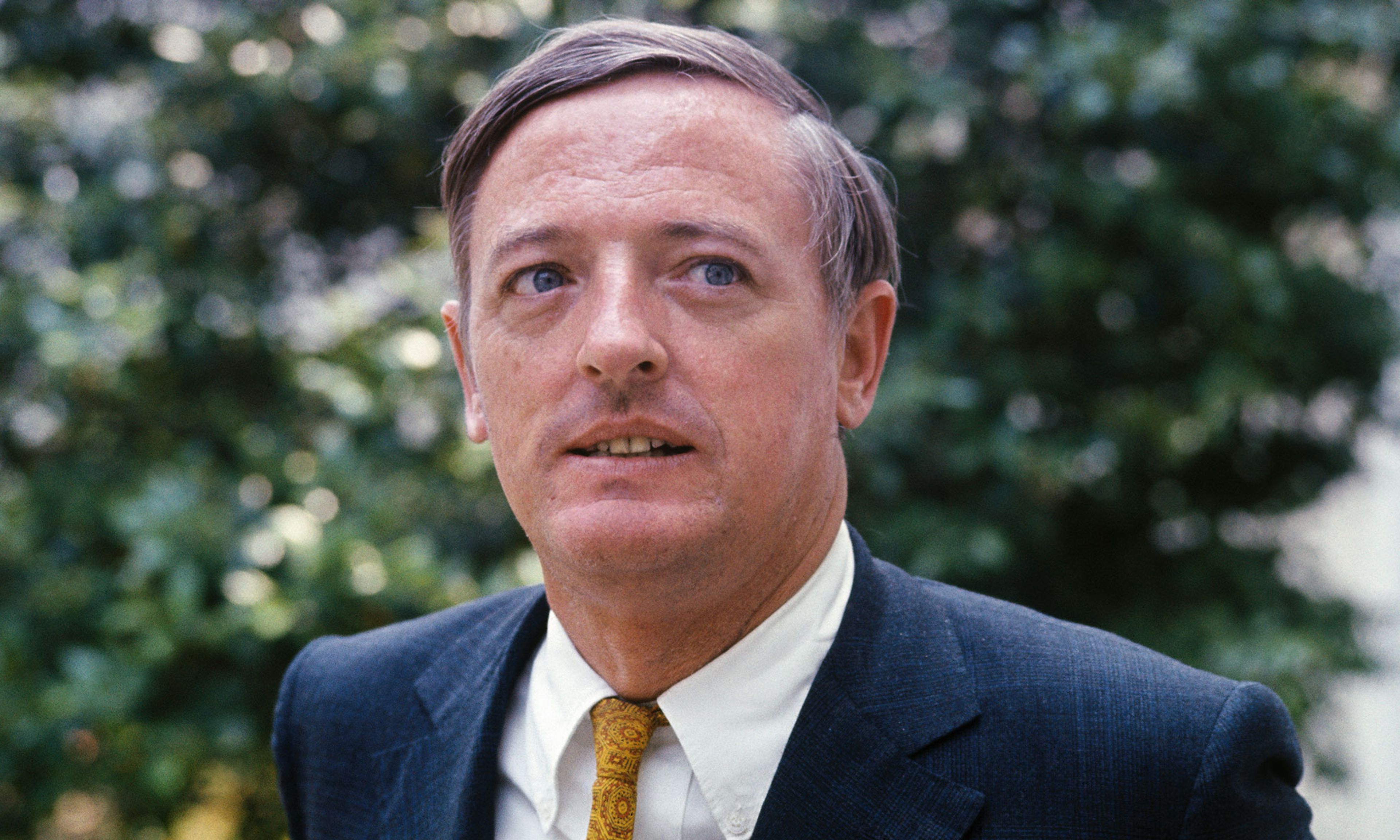
For the activist, that means that a political movement isn’t just a product of the activists. Movements are shaped by their audience, and they are shaped by their material supporters. For writers, what good is writing without readers? National Review has always been shaped not only by our founder, William F. Buckley Jr., and by our editors and writers, but also by our readers and our supporters. Without you, even such a consequential figure as WFB would have been a pebble in the ocean.
In our special issue of the magazine launching the Buckley centennial celebration of his birth in 1925, I had the privilege of writing about WFB’s often-fraught relationship with populism. That relationship evolved during his campaign for mayor of New York, which exposed him to new audiences beyond the magazine’s readers and donors. Yet that experience reinforced his view that thoughtful conservatism should seek both to lead the people and to respond to them – a two-way street. He may have called his book about the campaign The Unmaking of a Mayor, but the subtext was the making of a mayoral candidate in his life after the campaign. His engagement with the voters did not leave WFB unchanged. Writing and speaking to people about the things that matter to them never does.
The world changed after 1965, and as it often does, it changed again. The dragons of the Cold War were slain, and new serpents followed. NR was here for the Cold War, the War on Terror, the revolution and counter-revolution in international trade, the pandemic, the rise of Reagan, the rises and falls of Richard Nixon and the Bushes, the rise and fall (for now) of wokeness, and the rise and fall and rise (for now) of Donald Trump. We aim to be here for much more. And while our principles partake of the eternal, we are never unchanged by our readers and supporters because you live in the world as it is, and we aim to write for the world as it is.
That does not mean that we swim with the current. We didn’t in 1955, when the river of history seemed to flow towards collectivism and the Liberal (as NR’s founders would have styled it) managerial elites who hoped to manage it. The mission of National Review was never more important than when the conservative party was led by an outsider to conservatism, such as Nixon, Trump, Dwight Eisenhower, or George W. Bush. That’s where we came in 70 years ago, and it’s where we are today – still athwart not only our foes but, at times, our friends. We couldn’t do that without you, either.
2025 will be a big year for National Review and for National Review Institute. We will be conducting a yearlong celebration of Bill Buckley, with events across the country and further exploration of how his thoughts about his time speak to our challenges in our time. We will be reporting and commenting on a new Republican administration with a new coalition, the future and direction of which remain uncertain. We will be preparing, as well, for the nation’s 250th birthday in 2026. In all of these endeavors, you matter. We can’t bring the Buckley legacy and the ideals of conservatism forward without you.
You can make your influence felt by making a generous, tax-deductible contribution to National Review Institute’s end-of-year campaign before the close of the tax year. Consider it not just your place in history but your place athwart it. For that company in holding the line, we are always thankful.






Comments