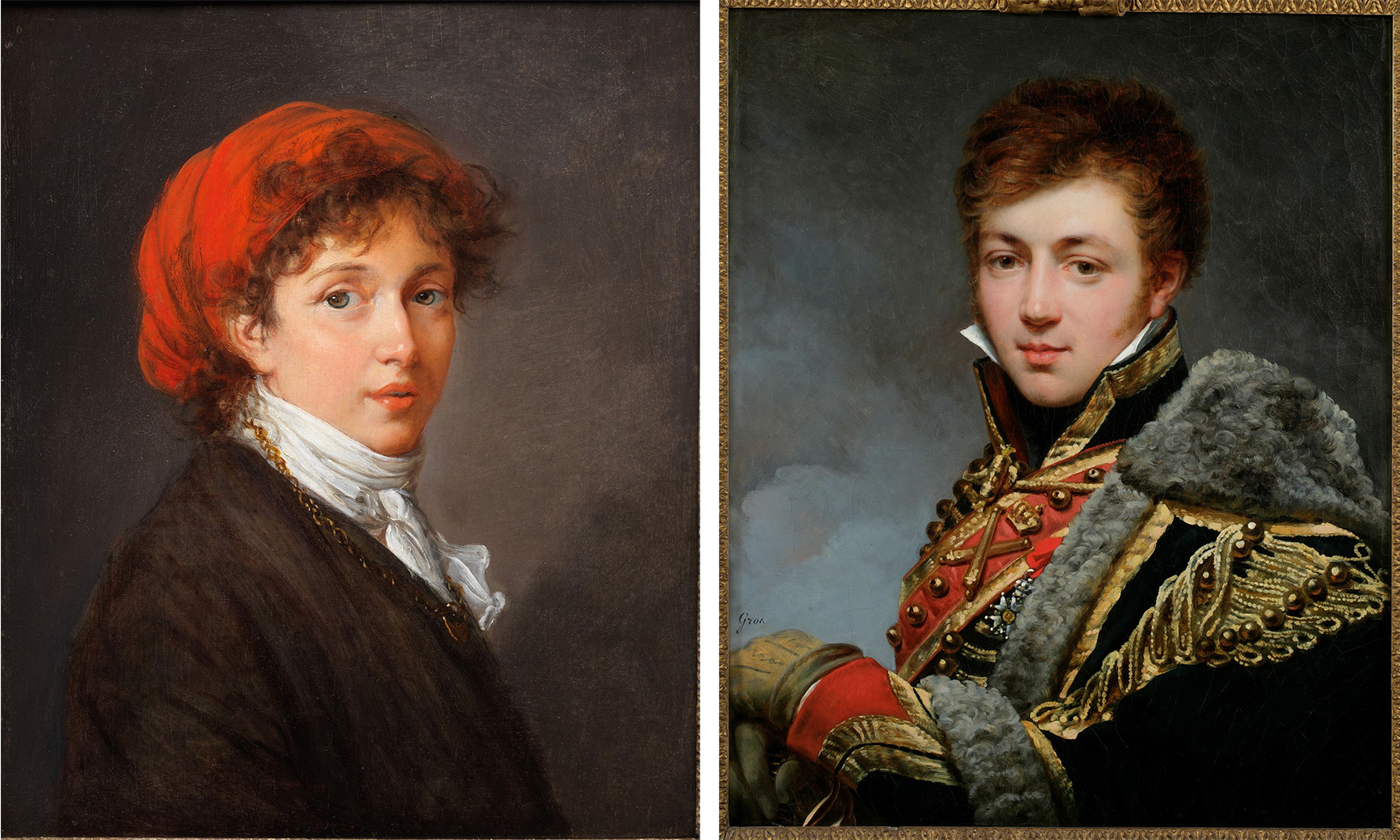
It’s the end-of-the-month-in-the-news time. I’ll write today mostly about how we in America support the world’s most vibrant, eclectic high-culture scene. No, it’s not with vibes, joy, brat, a cascade of cackles, or memories of nice lawns in Montreal. It’s philanthropy. Powering almost all American museums are gifts of art and money from local people. They’re privately owned and run, too, which also explains their diversity. There’s no government-imposed taste or model for doing things. Caring, committed donors and good curators can act on innovative ideas. In Europe, nearly all museums are government operations, which explains why they were so sclerotic for generations.
Just in my little postage-stamp-size world, the boonies in southwestern Vermont, are four good and very different art museums: the Bennington Museum, and across the Massachusetts state line, the Clark Art Institute, the college museum at Williams, and Mass MoCA, which is the world’s biggest contemporary-art museum. All four are private museums. Intellectually and aesthetically, they’re distinctive, yet they very much spring from local heritage.





Comments