
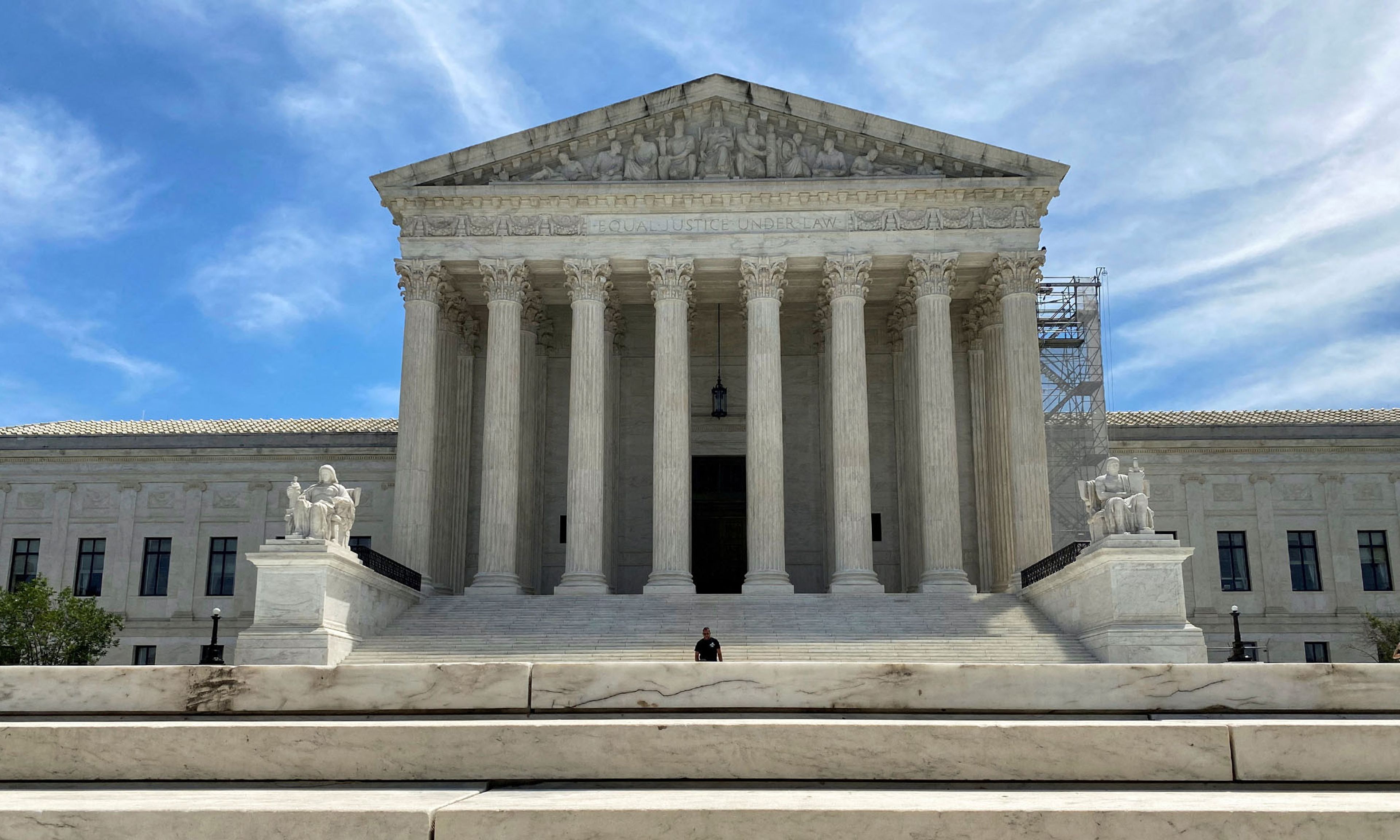
On Tuesday, the Supreme Court decided Berk v. Choy, a unanimous ruling (except for one eccentric concurring opinion by Justice Ketanji Brown Jackson) that turned on a point of federal civil procedure. But it shouldn’t be the last word on the topic.
Berk involved a common species of state law: a Delaware law that aims to prevent the filing of medical-malpractice lawsuits unless the plaintiff can get an affidavit from a doctor attesting that the suit has merit. While a med-mal plaintiffs’ firm of any size won’t have much trouble keeping a stable of doctors on hand to attest to just about anything, these laws do impose additional costs on med-mal suits and deter the most frivolous ones, especially those filed by lawyers who aren’t regular players in the field. The means by which the Delaware suit operates in Delaware court is to bar the suit from being filed or docketed without either the affidavit or a request for a single 60-day extension to file one (a provision that allows half-baked cases to be filed just before the statute of limitations runs out). In either event, the defendant does not even need to respond to the complaint until after the affidavit of merit has been filed.





Comments