
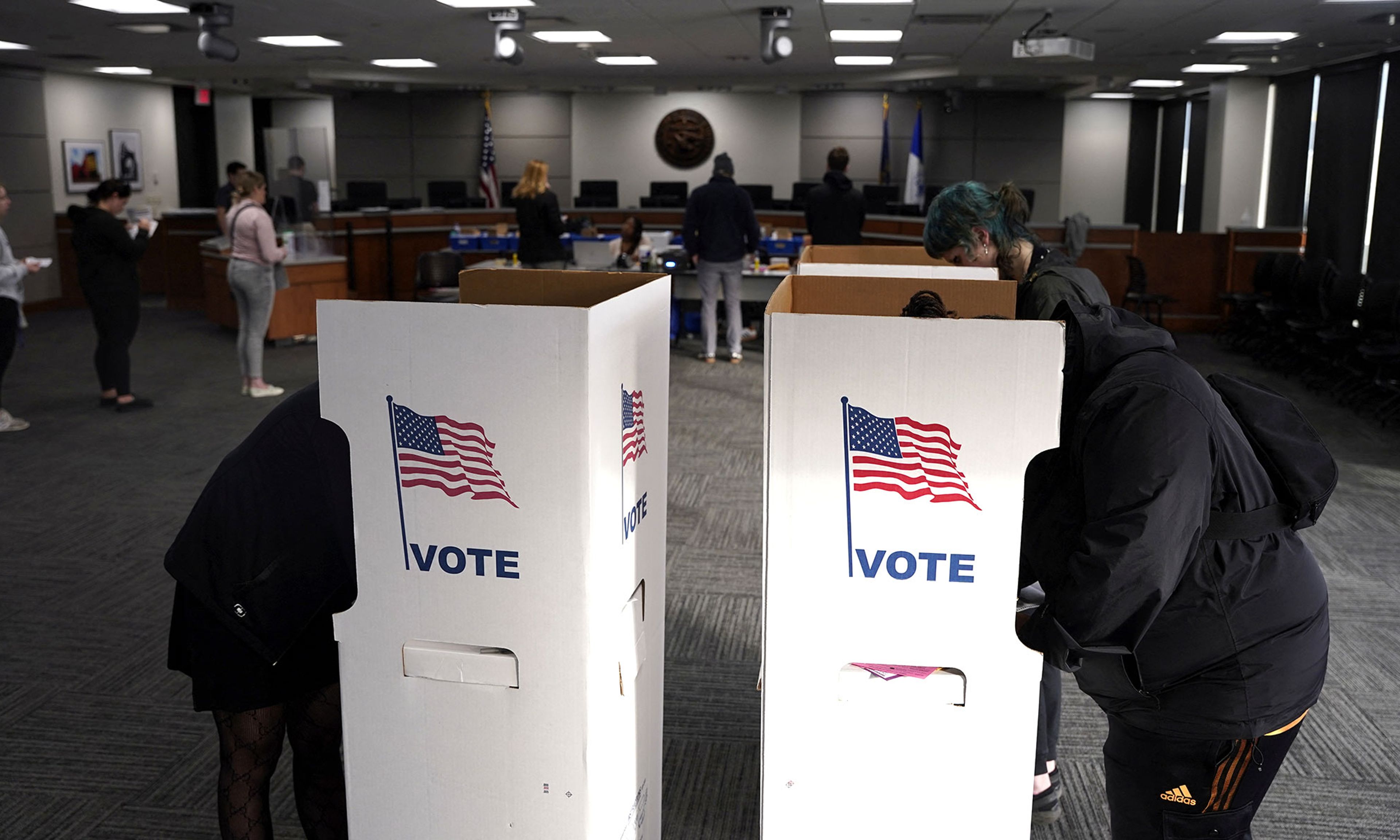
Today, in 37 states, 132 referenda are being held on issues ranging from the mundane to the absurd. Everything from Medicaid expansion to DEI is on the ballot.
The most striking feature of this exercise in direct democracy is how anathematic plebiscites are to our rich, constitutionally ordained tradition of checks on majoritarianism and rejection of politics via mass fiat. Federalist No. 10, for instance, is Madison’s explicit remonstration against direct democracy.
So how did we get here? Well, like nearly all of the seemingly intractable maladies afflicting our civic health, the roots of the problem can be traced back to the Progressive Era. By the turn of the 20th century, the nation’s urban centers had come to be dominated by political machines, as Gilded Age magnificos loomed large in public life. Contemporary reformers argued that moneyed interests had captured state legislatures and, therefore, could not be reliably called upon to legislate on behalf of the “common good.” It was this same good-faith impulse that bequeathed the 17th Amendment and the distortionary havoc it continues to wreak upon the world’s greatest deliberative body. Unfortunately, these dubious assertions were left unchallenged, and since then, we’ve seen a proliferation of popular referenda in subnational polities from sea to shining sea.
Regardless of the merits of any specific proposal, the metastasis of this phenomenon remains deeply offensive to the Framers’ conception of responsible statecraft. One fundamental insight the men of the Founding era had that the progressive reformers lacked was to make government the plaything of neither populists nor technocrats. Representative government was the means to avoid both of these perilous extremes. As Yuval Levin has written:
As the framers saw it, both populist and technocratic politics were expressions of a modern hubris about the capacity of human beings — be it of the experts or of the people as a whole — to make just the right governing decisions. The Constitution is built upon a profound skepticism about the ability of any political arrangement to overcome the limitations of human reason and human nature, and so establishes a system of checks to prevent sudden large mistakes while enabling gradual changes supported by a broad and longstanding consensus. Experts should not govern, nor should the people do so directly, but rather the people’s representatives should govern in a system filled with mediating institutions and opposing interests — a system designed to force us to see problems and proposed solutions from a variety of angles simultaneously and, as Alexander Hamilton puts it in Federalist 73, “to increase the chances in favor of the community against the passing of bad laws through haste, inadvertence, or design.”
Moreover, the Founders knew the dangers of mobocracy. Democracy remains the ideal form of government, but if not properly constrained, it can pose even more drawbacks for minority rights than plutocracy or autocracy.
Proponents of plebiscites have no patience for the painstakingly ponderous proceduralism of legislating, Schoolhouse Rock be damned. They often mask their resentful distaste for the niceties of liberalism through egalitarian-themed sloganeering. But make no mistake. Their proposals are the political equivalent of a wolf in sheep’s clothing. Rather than taking their concerns to the people’s elected emissaries, these demagogues would rather dupe the uninformed public into going along with their schemes without sufficient deliberation. And nothing is too sacred for their irreverence. They’ll even subject the life of an unborn child to the capricious whims of the electorate.
Referenda are nothing more than an outgrowth of Congress’s devolution of its paralysis to the states. As every political issue has become nationalized, so has political dysfunction. With state legislatures unable or unwilling to make hard choices, they’ve chosen to pass the buck. So this Election Day, let’s make a point of acknowledging plebiscites for what they actually are: the ultimate abdication of civic duty.





Comments