
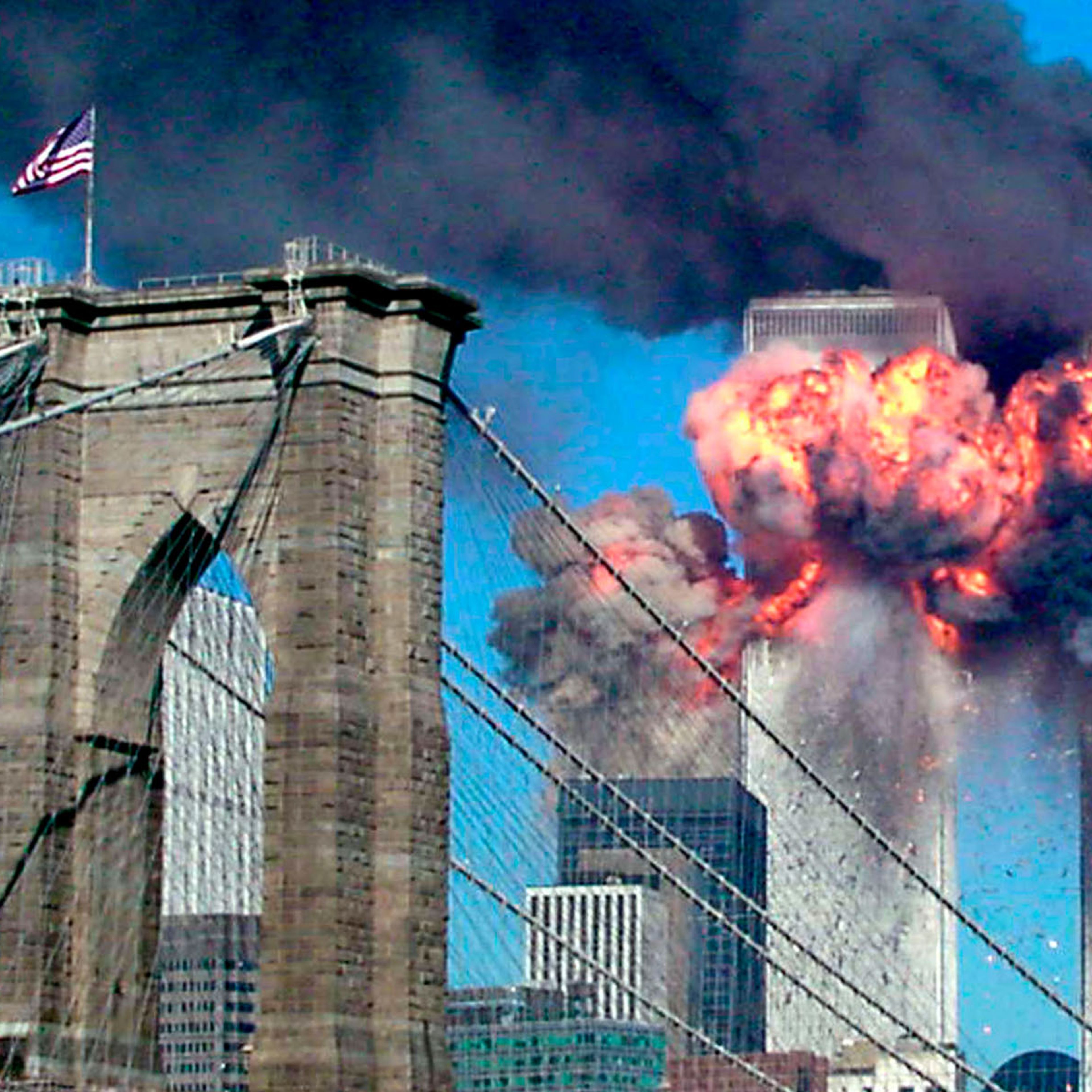
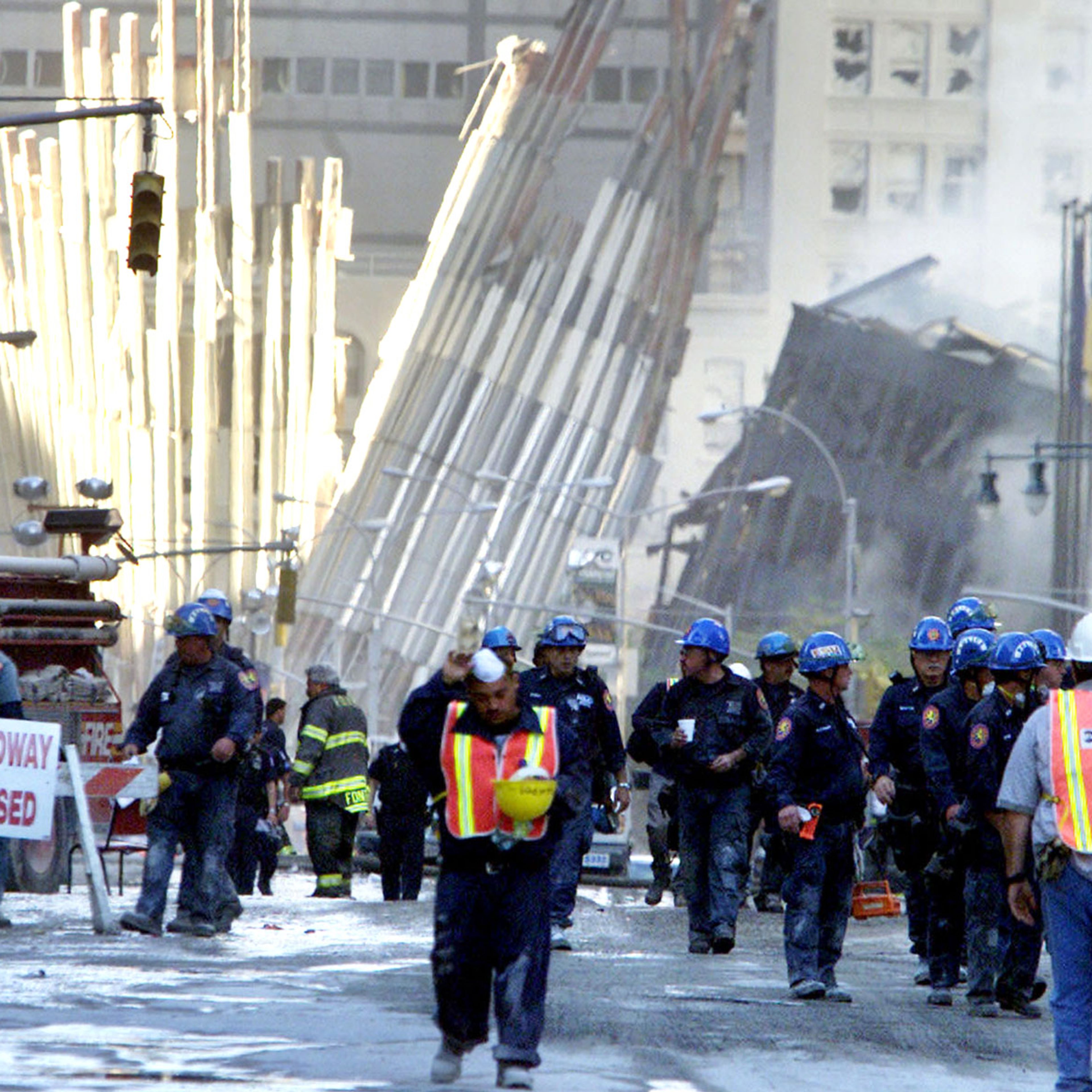
Some would argue (I wouldn’t, but I think Charlie Cooke would, as would many on the Left) that although 9/11 was a catastrophic event that required a serious response, we nevertheless went too far, in a political and cultural sense, in restricting liberties because we overestimated the degree to which we were in peril, and these measures took a toll on our collective psyche and our inherent love of freedom.
Essayist Freddie deBoer is making an intriguing case that, for liberals, Covid is their 9/11. Very few are saying Covid has not been disastrous and exacted a severe toll in death and illness, but nevertheless a big portion of the Left can simply never properly calculate the level of risk attached to living with it, especially among the vaccinated. I’d like to think that if in 2002 there was an inoculation that virtually guaranteed you would not die at the hands of a terrorist, this would have made a big difference in how the right viewed the post-9/11 world. And yet, among the more hysterical precincts of the Left, being vaccinated has simply done almost nothing to allay fears. (I find it odd that the people with the most to worry about — the unvaccinated — are the least worried about suffering from a severe Covid attack, but that just means Americans should be united in being fearless.)
DeBoer writes:
Forgive me if this others have made this comparison, but it’s remarkable how this moment echoes that one in the obsession with mutual surveillance and moral hygiene, all enforced with constant reference to a real crisis and imagined dangers. It’s not just the serial overreactions, the threatening intensity, the constant reference to dramatically worse events supposedly yet to come. It’s the feeling of mandatory panic, the insistence that anyone who does not allow the crisis to dominate their internal life is somehow guilty of causing it, the desire to blame a disaster on people who are thought to not take it seriously enough. This self-impressed doomsaying reminds me so much of the people who constantly said, after 9/11, that al Qaeda was all around us, that the big attack was yet to come, that sleeper cells planned to nuke shopping malls. . . . 9/11, too, produced a type of proud Cassandra, haughty and contemptuous, who simply lived to let the rest of us know that the rest of us just aren’t serious enough, who believed that the crisis meant that every single moment of our lives was now a character test, one that we failed if we did exist in a permanent state of anxiety and fear.
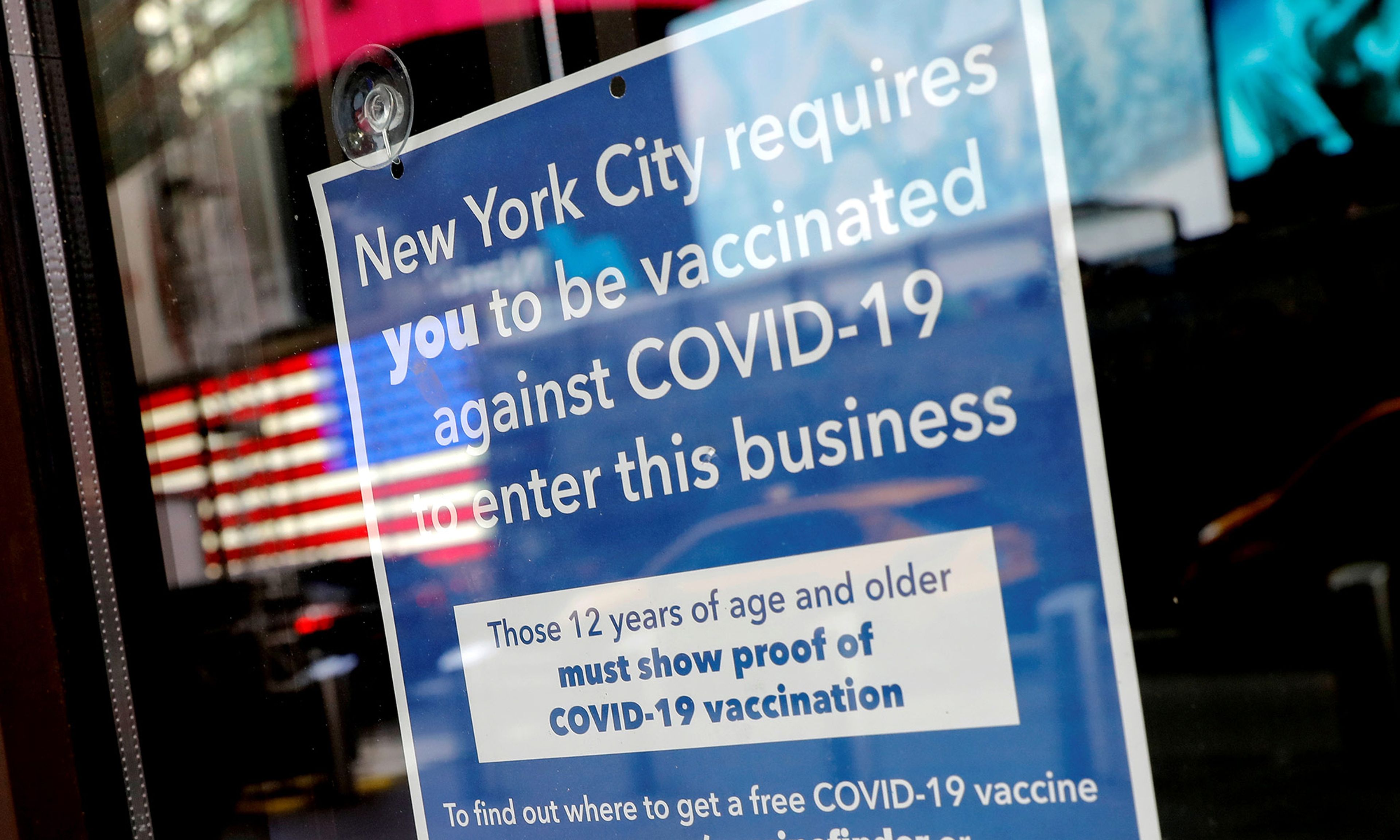
I don’t think this is an unreasonable point of view, but I’d say that even after 9/11, no one made me alter my daily routine in any particular noticeable way, and I live in New York City. IDs became required to enter the elevator banks of office buildings, bags were cursorily searched upon entering live-performance venues (though not movie theaters), and airport security became more annoying, though it was always pretty annoying. The War on Terror didn’t require me to affix an American flag to my face or otherwise require me to make an act of symbolic obeisance every single day. The never-ending war on Covid, on the other hand, has forced my children to miss 14 months of in-person school for no reason, caused them to miss an additional combined ten days of school this winter for no reason because of unnecessary quarantine policies, forces them to wear masks all day for no reason, and has wrestled Midtown Manhattan into a deep slumber that is far worse than it was even one week after 9/11.

Comments