
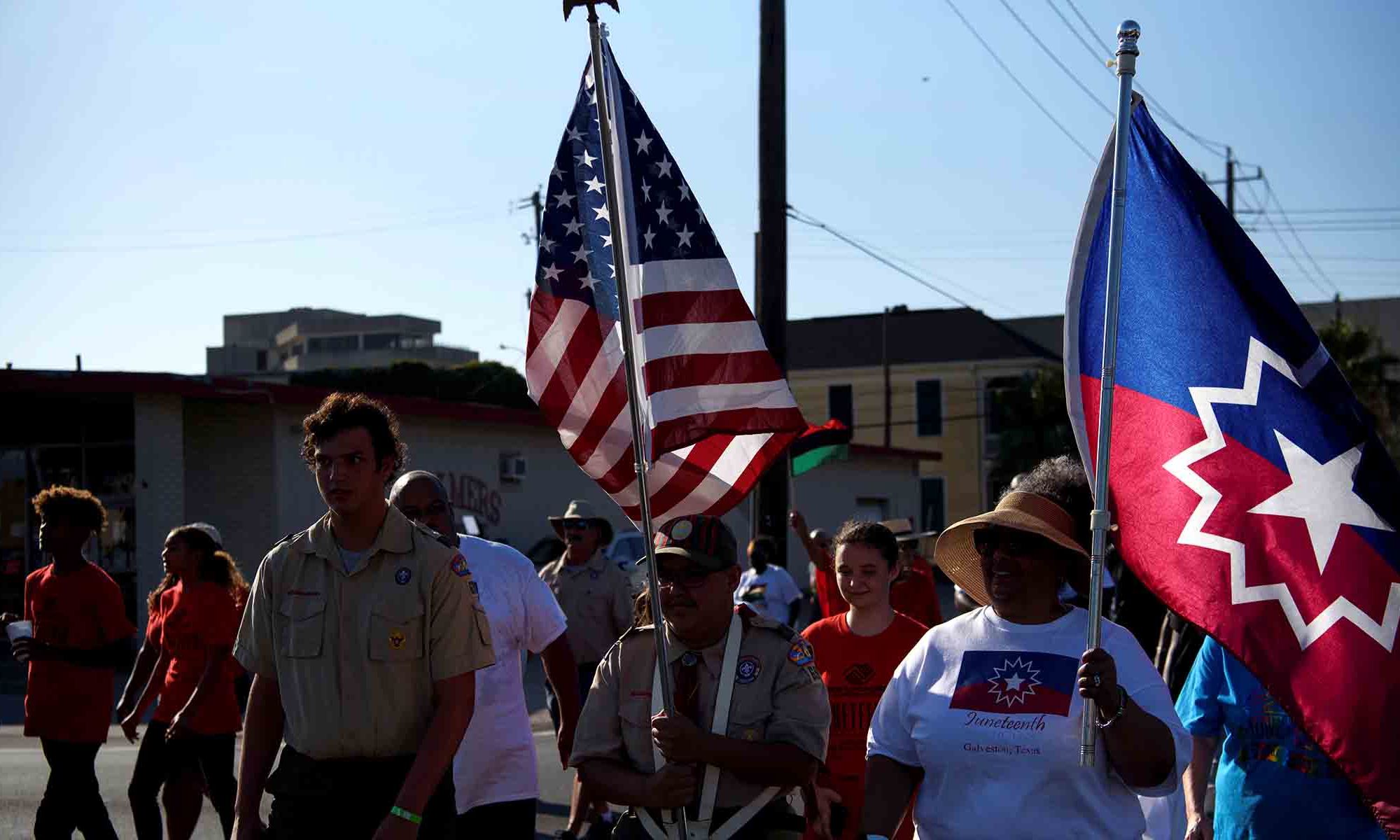
There’s something poetic in the elevation of Juneteenth as a celebration of the emancipation of American slaves. The holiday, which was not well known outside the South until this century, commemorates the fulfillment of the vision articulated in the Emancipation Proclamation but not fully realized until the end of the Civil War. It was only after the 13th Amendment was ratified in the winter of 1865 and the news of slavery’s end finally reached Texas’s enslaved population (along with the vanguard of the Union Army) that June that emancipation became manifest.
“The newness of the holiday for much of the country means that there’s no shared set of traditions associated with it yet,” Washington Post contributor Theodore Johnson observed in a Sunday column. “We need to decide what the holiday will mean for us and for posterity.” Indeed. As a celebration of what it means to be American and the extension of the rights and duties of citizenship to all its people, it is a complement to Independence Day. But there is another trend around this holiday that treats it as a springboard to launch into strained criticisms of the nation and its political culture. One of the shoddier examples of this opportunism was provided by the Daily Beast’s Kali Holloway.


Comments