
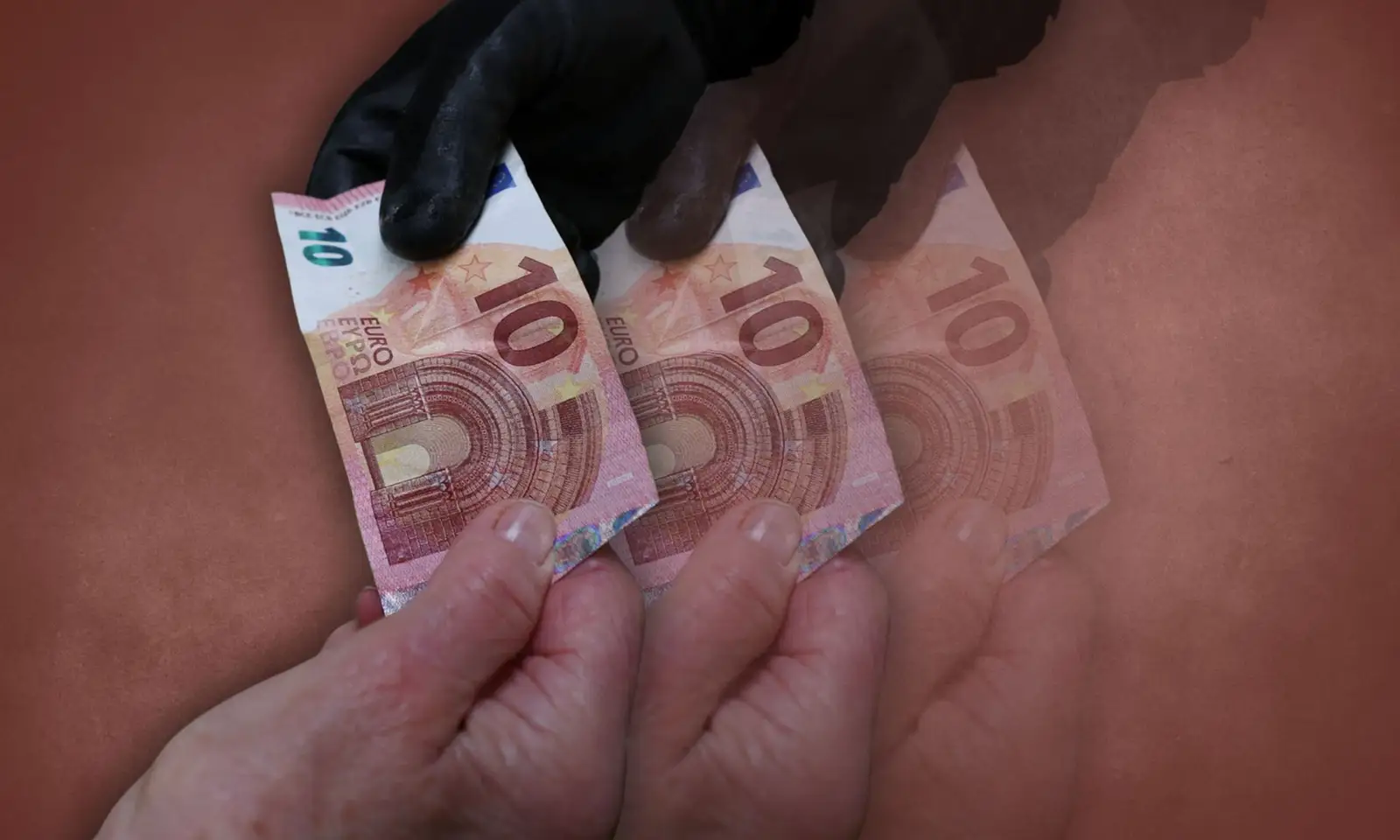
Sooner or later, the growing fiscal and political crisis in France is going to start shaking the stability of the euro. The EU’s reckless monetary experiment was famously (infamously) brought close to disaster as a result of events set in motion by a fiscal debacle in Greece. But Greece’s was a relatively small economy, something that France’s, economy, for all its problems, is not. It is the seventh-largest in the world and the second-largest in the EU.
But both the political and economic math is tricky. France’s debt to GDP is 120 percent, and its budget deficit stands at 5.4 percent. Its hopelessly divided parliament has yet to approve next year’s budget and there has already been substantial trouble in the streets. The front-runners in next year’s French presidential election are Marine Le Pen, of the populist-right RN, and Jean-Luc Mélenchon, of the far-left LFI. Leaving aside the implications of the LFI’s willingness to play nice with Islamism and the unmistakable whiff of antisemitism given off by Mélenchon, LFI’s economic policies are a recipe for catastrophe and an investor exodus.




Comments
On “Dominoes”