
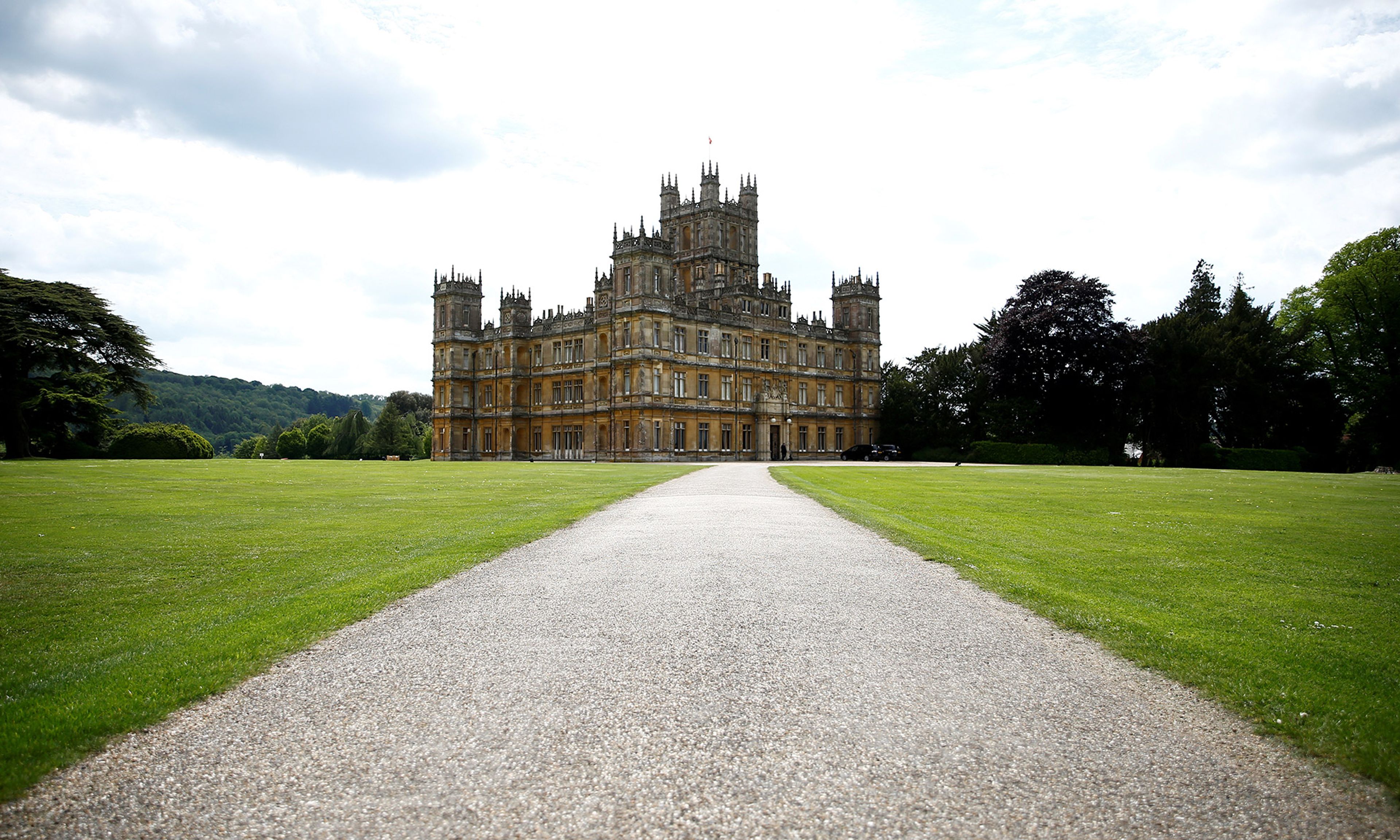
Downton Abbey: A New Era is exactly what you would expect from the Downton Abbey franchise by this point in its extended encore. It is gorgeously shot, crisply acted, full of charm, and mostly careful in its re-creation of its time and place. It is also playing for low stakes, short on the sorts of conflict that drove the show’s plot in its heyday and long on fan-service that caters to the audience’s nostalgic embrace of now-familiar characters. The plot, such as it is, is predictable at every turn, with one of the major plot points lifted directly from an all-time classic Hollywood film, and a number of beats repeated from the last film. There are, of course, a few quibbles. When a British film crew sets up shop at Downton, characters equate the movie business with “Hollywood” in ways that seem a bit premature for the late 1920s. I remain skeptical that homosexuals in the 1920s were able to identify one another instantly on sight quite as easily as they do in the Downton universe. And Hugh Bonneville (Lord Grantham) and Jim Carter (Carson the butler) seemed caked in a bizarre excess of orangey makeup.
If you liked the last film in spite similar limitations, you will probably enjoy this one. It certainly marks the end of an era: by wrapping up even more of the remaining loose ends, providing definitive exits for some of the show’s most important characters, and leaving things off on the very eve of the Great Depression, creator Julian Fellowes has written himself into a corner from which he could extricate himself — if he ever decides on a third film — only by forcing the residents of Downton Abbey more painfully into the dismal 1930s, taking the show in a darker direction that it eschewed in its late seasons. He did that once before, taking us through the First World War, but it seems unlikely that anyone has an appetite to take that trip. The Downton audience is largely content with nostalgia by now (aside from our teenage daughter, my wife and I were by far the youngest people in the theater). Better, instead, to conclude with Fellowes’s decision to emphasize how tradition endures as each generation succeeds those who preceded it. That is a vision of the future that looked a lot brighter in the Britain of 1929 than what the future actually held.





Comments