
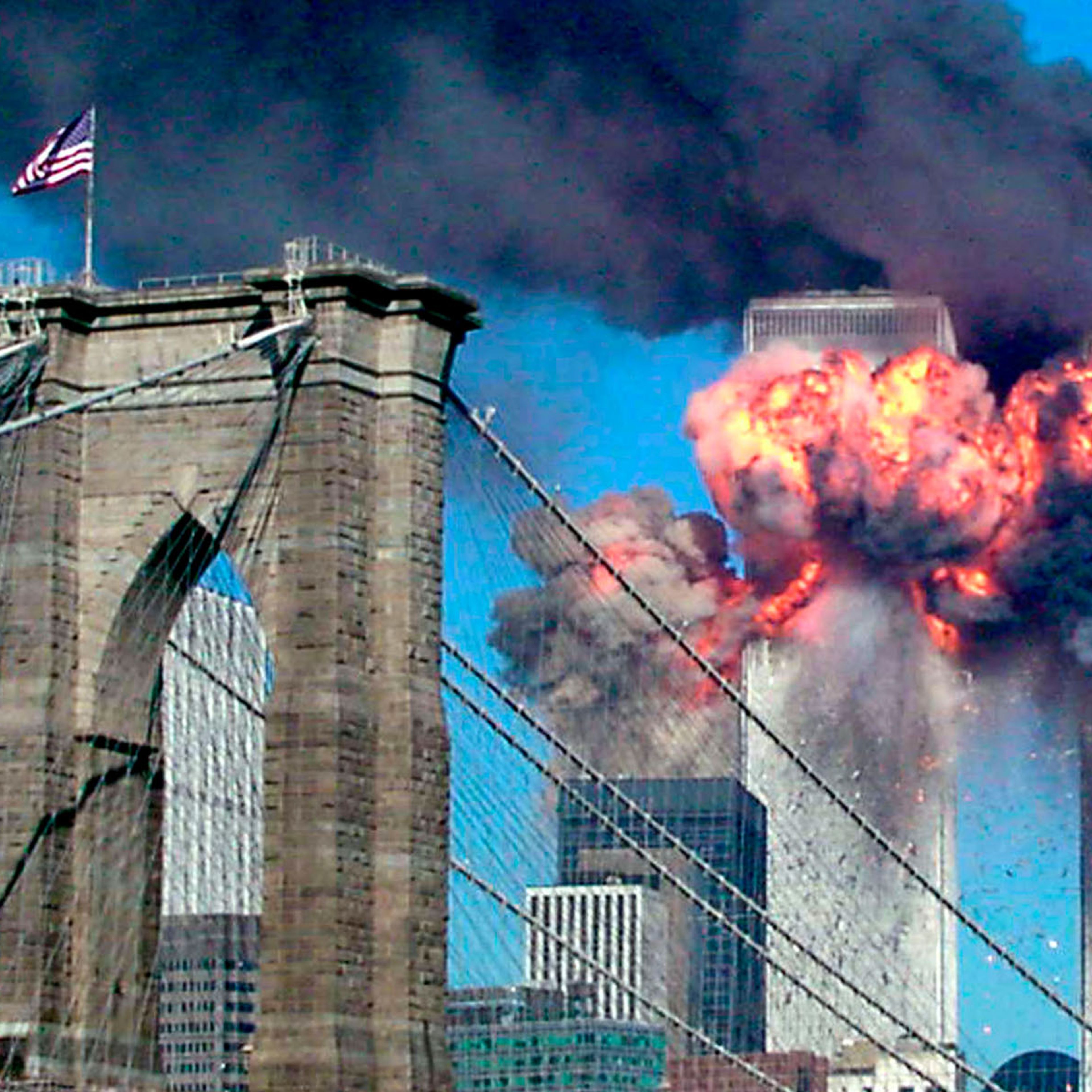
No dynamic culture can stand still, so we shouldn’t be surprised that fewer and fewer people, from the president down, find it harder and harder to remember quite what “the day that changed the world” was all about. Nevertheless, there is unfinished business — starting with that hole in the ground in lower Manhattan. As James Lileks says:
That we couldn’t stand there eight years ago was their fault. That we cannot stand there today is ours.
At Ground Zero and in that field in Pennsylvania, we broke faith with the dead. What a small number of brave civilians did on Flight 93 was magnificent. The feeble passivity of their wretched memorial — the “crescent of embrace” or whatever nancified modification is on the table this week — is a national disgrace.
It’s interesting on this day to read Michael Rubin’s posts on Tony Blair and Yale’s cartoon cravenness. I wrote in NR the other week about the Danish Motoons:
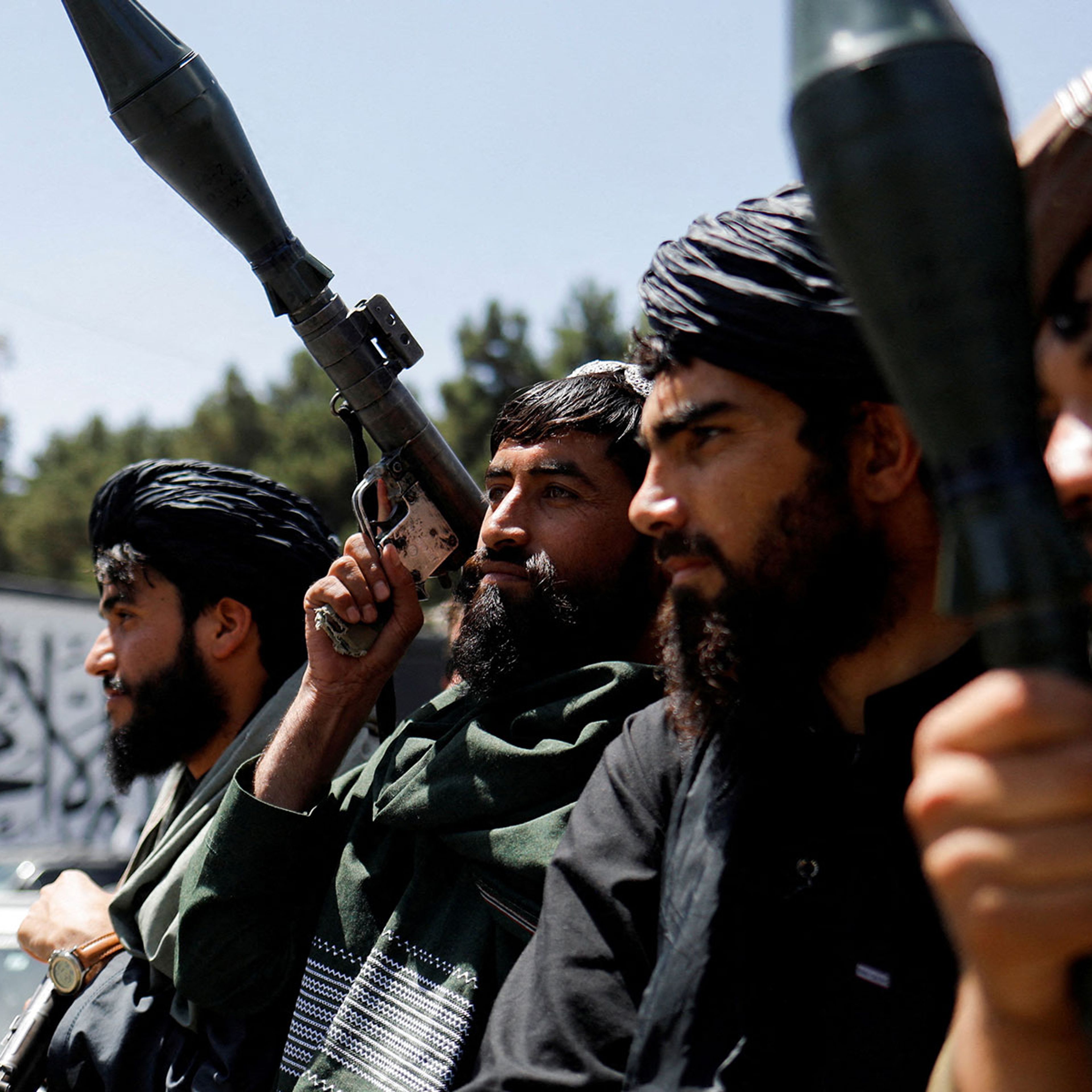
In the long run, the ostensibly trivial matter of some undistinguished drawings in an obscure provincial newspaper in a nation way out on the periphery of the horizon may yet prove to be more significant than a direct violent assault on the citadels of American power. September 11th was a bloody provocation that was met with a vigorous display of will: Within a few weeks al-Qaeda’s training camps were smashed to smithereens, and its patrons in Kabul had hitched up their robes and fled. The cartoon crisis was a minor, albeit murderous, affair that rippled across the globe to be met by a dismal lack of will by almost every panjandrum of western civilization, from European Union commissioners to Canada’s ghastly “human rights” regime. As the years go by, that seems the more relevant template.
If you kill large numbers of us in our own cities, we will hit back — probably (the Spanish didn’t). But the effort is great and not without cost. So the prime minister who dispatched soldiers of the Queen to Afghanistan and elsewhere cannot defend core civilizational values either in his own country or at Yale. The “international community” has decided it can live with a nuclear Iran — and no doubt the nuclear Syria and nuclear Sudan and nuclear Somalia that will one day follow.
The president of the United States congratulates himself on his fearlessness in standing up for the right of a woman to choose to wear a hijab but won’t say a word about the young Muslim girls murdered by their families in America, Canada, Britain, Sweden, Germany, and around the world for choosing not to wear a hijab. As is now traditional for the observances of the anniversary, the media offer their doleful reports on American Muslims’ “fears” of a “backlash” against them, even though the post-9/11 period has been an era not of Islamophobia but of weirdly insistent Islamophilia. And in our broader culture, self-loathing, trutherism, and other fin du civilisation poses run rampant, even unto the heart of the government.
9/11 was bad news if you were enjoying the good life in a jihadist training camp in the Hindu Kush. But, over the long run, it was a useful lesson in the limits of western will.


Comments