
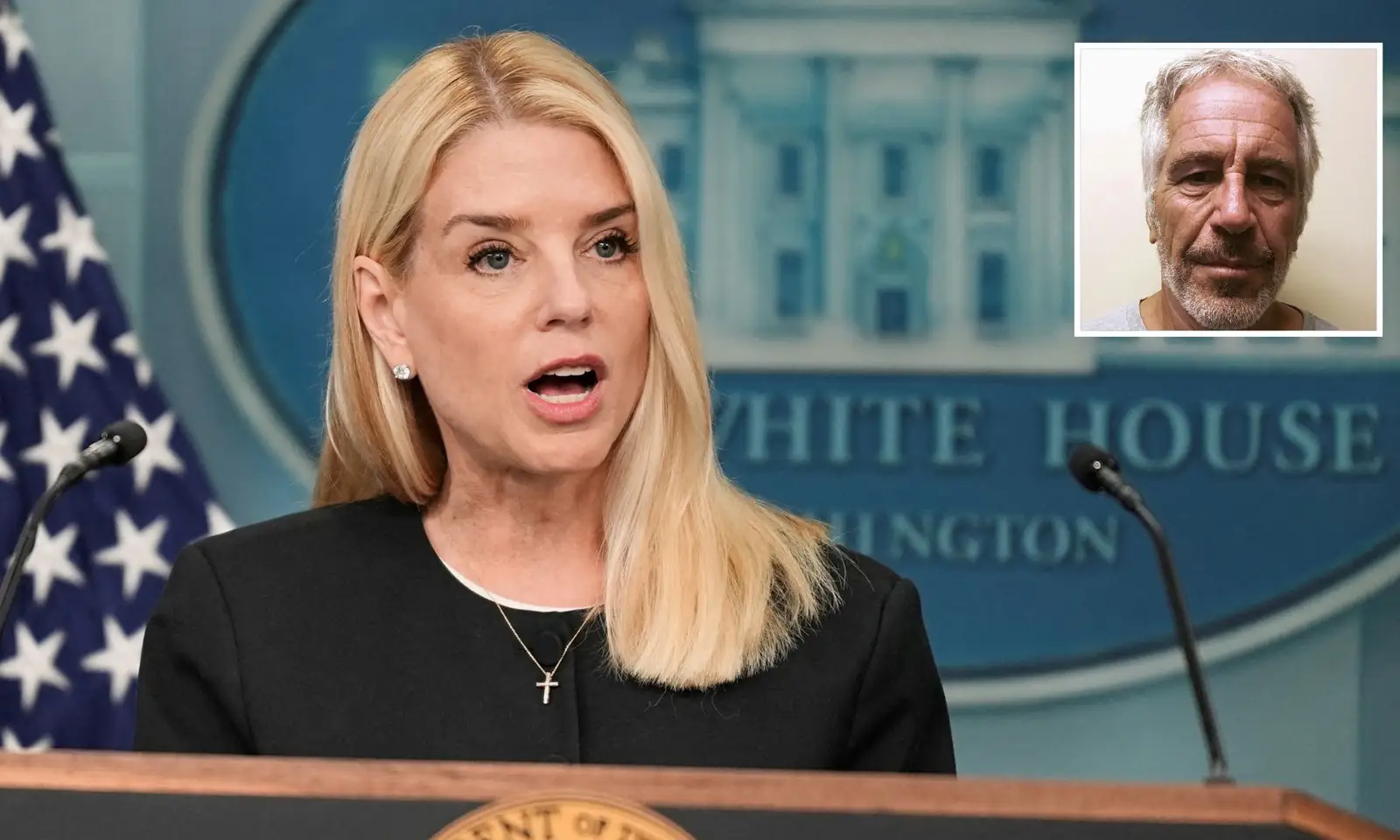
Reasoning that the rule of grand jury secrecy means what it says, a federal judge in Florida yesterday denied the Trump Justice Department’s request that she unseal grand jury minutes pertaining to the Jeffrey Epstein investigation — presumably, the probe centered in Palm Beach back in the early 2000s, as opposed to the prosecution run by Manhattan federal prosecutors that resulted in Epstein’s 2019 indictment (after which he committed suicide while in federal custody, according to investigators).
The New York Times reports that Judge Robin L. Rosenberg, an Obama appointee in the Southern District of Florida (SDFla), said her “hands are tied” by Rule 6(e) of the Federal Rules of Criminal Procedure. I explained the rule and its narrow exceptions last week, additionally addressing the suggestion — on which courts around the country differ — that judges have some modicum of “supervisory authority” to allow disclosure outside the rule’s terms. All agree that, if there is such authority, it is reserved for truly extraordinary circumstances. More to the point, there is no exception geared toward satisfying public curiosity about a controversial case or person.

Comments
On “Florida Federal Judge Denies Trump DOJ Application to Unseal Epstein Grand Jury Minutes”