
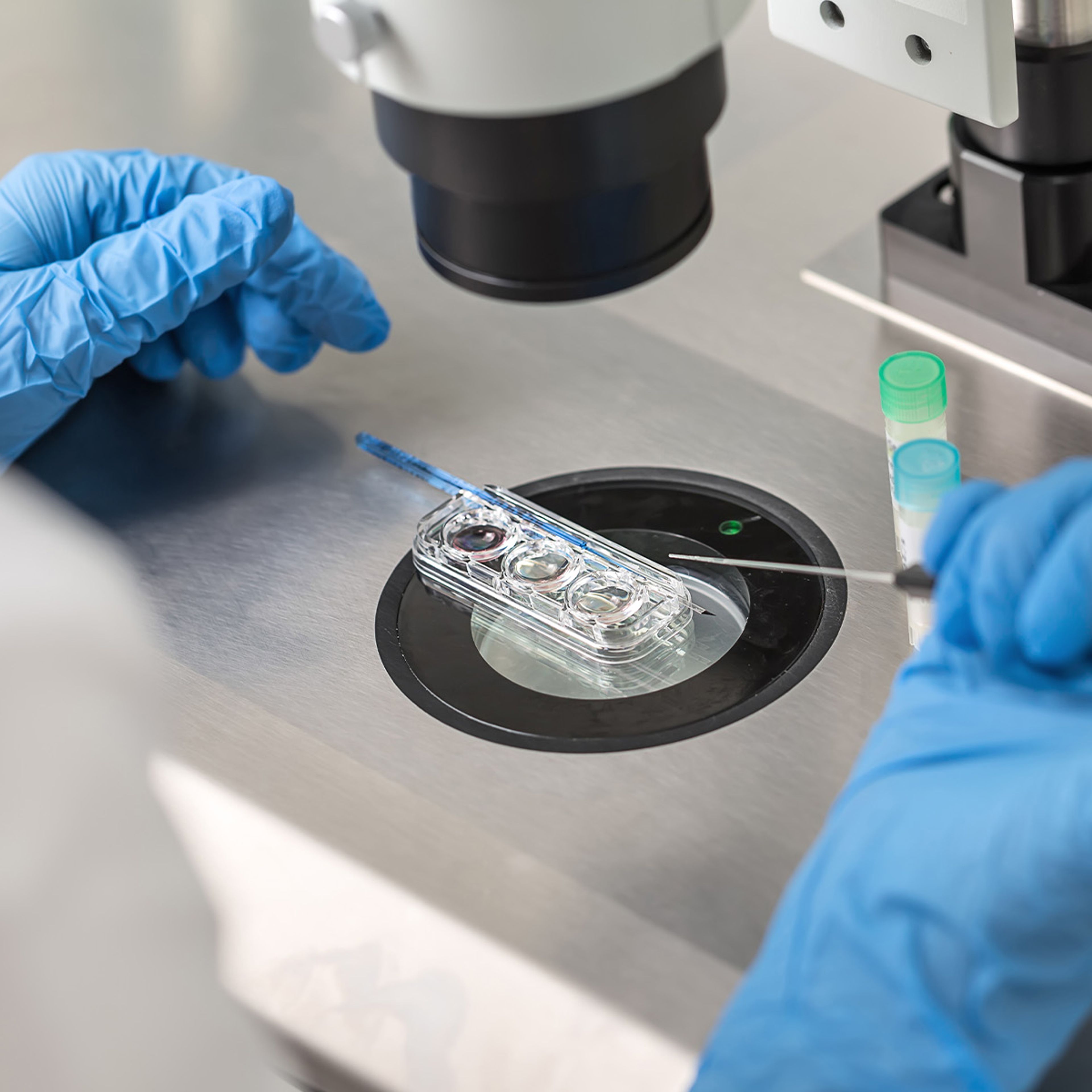
A Swedish scientist has begun altering the DNA of healthy human embryos, something researchers have long stayed away from. After monitoring the embryos in their early stages, he will (in NPR’s words) “never let them develop” beyond a couple of weeks. The scientist says he is doing it for research purposes only, and hopes his findings will eventually help promote fertility, prevent miscarriages, and treat diseases. But it seems inevitable that after this technology becomes routine, it will eventually be used to add or subtract traits such as hair and eye color, body size and shape, or intelligence.
This development brings to mind Samuel Butler’s utopian/dystopian 1872 novel Erewhon. The titular country (“nowhere” spelled backwards, more or less) is a land whose inhabitants are characterized by great physical beauty, as will no doubt be the case in our society when you can order blue eyes or Cupid’s-bow lips for your baby the way you order power windows or a GPS for your car.
One recurring point in the novel is that in Erewhon, physical illness is considered a severe character defect, so shocking and offensive that it can scarcely be discussed in polite company, whereas things that we consider immoral (such as theft) or anti-social (such as a nasty temper) are seen as unfortunate conditions deserving sympathy, which can be gotten over with rest and treatment, like a fever.
One can easily imagine that a society filled with designer kids will take on Erewhonian characteristics. With resistance to most diseases built in, it will be assumed that anyone who falls ill has done it to himself through some risky practice. (Indeed, Britain’s National Health Service has already begun sick-shaming patients who smoke or are obese and proposed denying them treatment.) On the other hand, since morality will be the hardest thing to program genetically, it will come to be seen as something mysterious and uncontrollable, for which no one can be blamed because even the genetic engineers can’t get rid of it.
Recently Oren Cass wrote in NR that the worst thing about proposed “universal basic income” schemes is that they would change the government’s role from that of a protector and facilitator to that of a provider. Similarly, the genetic engineering of human embryos will change the role of medicine from that of a healer to that of a creator — and our belief that you are whatever you make of yourself will soon yield to the idea that you are, irrevocably, what you’ve been made.





Comments