
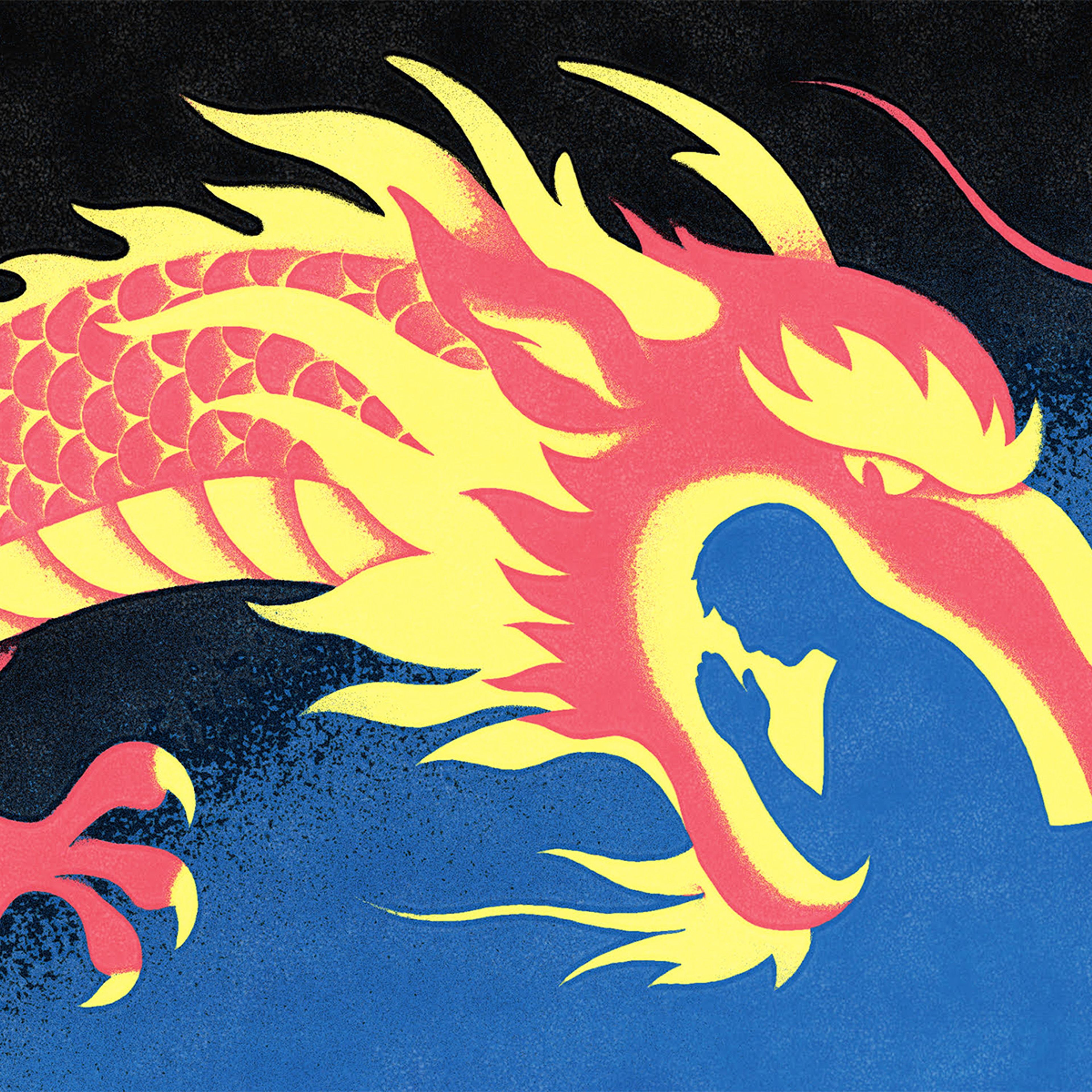
I am glad to know that Mark has some sympathy for the Tibetans and their religion. He does know that Tibetan religion is atheist, doesn’t he?
To Andrew’s point about Outer Mongolia: Indeed, the last imperial dynasty behaved badly in Outer Mongolia. There was an element of historical revenge, though, at least among the ethnic-Chinese involved in the atrocities. (The imperial dynasty itself was Siberian.) The barbarian tribes of the steppe had been terrorizing the lands “within the wall” for millennia. By the eighteenth century, however, the technological and organizational balance had tipped in China’s favor. The steppe Mongols didn’t stand a chance against a vigorous new dynasty with a martial ethos and a decisive civilizational edge. The conflict has been compared to the U.S.A.’s own Indian Wars. For the Chinese, though, it was a settling of millennial grudges. That doesn’t excuse what was done (which included, if memory serves, some primitive biological warfare) but helps explain it.
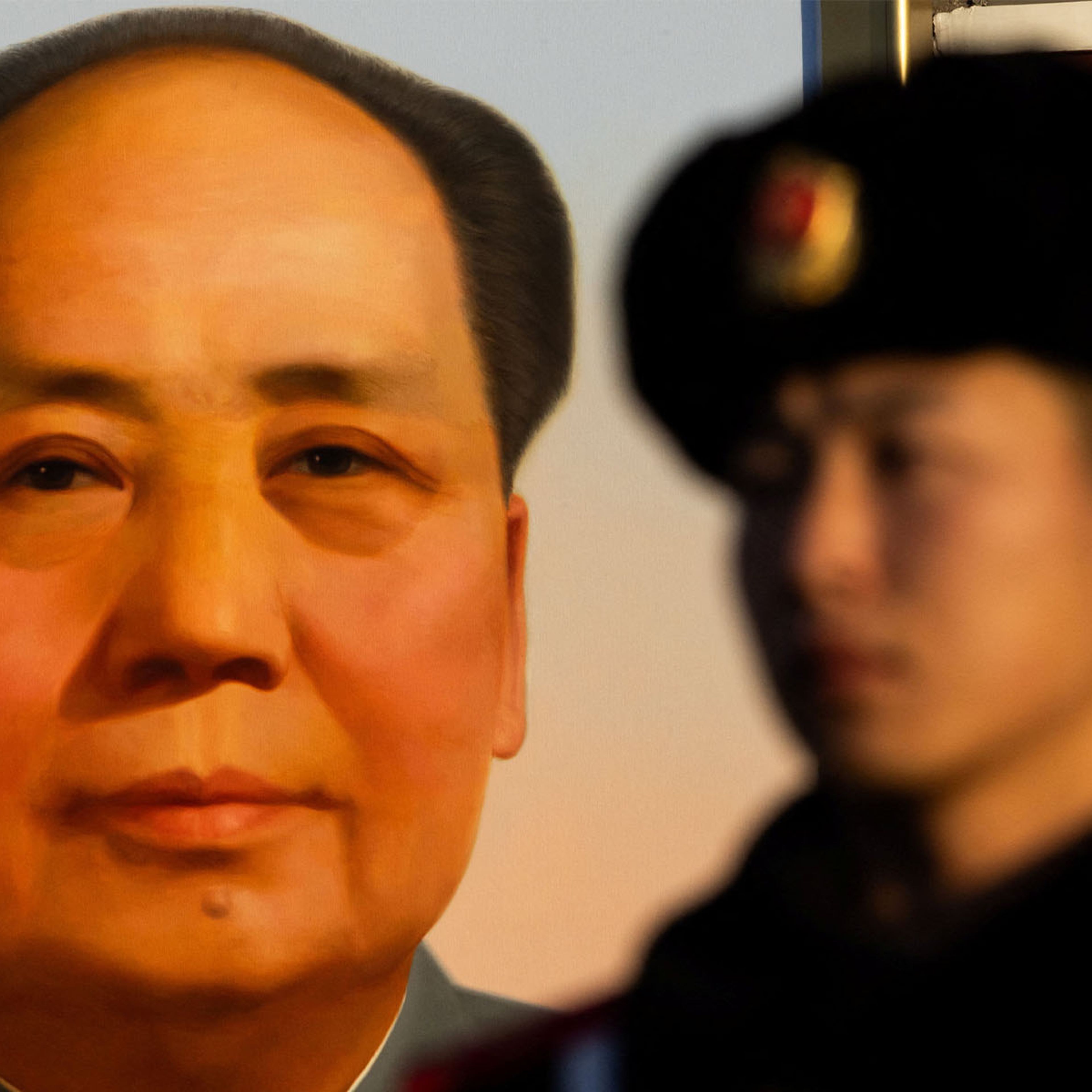
Even that excuse doesn’t apply in the case of Tibet. Tibetans, and some ethnically-related people, conducted razzias into metropolitan China when they were strong and the empire was weak. At one point (7th century?) they sacked the Chinese capital. There used to be a stele in Lhasa celebrating this event, though I’ll bet it disappeared shortly after 1959. Also, Tibetans sometimes raided Mao’s columns when the communists were passing through their regions during the Long March, and Mao nursed a grudge about this.
Andrew’s right, though: The current Chinese attitude to Tibet is nationalist-imperialist. In many ways, China is just not a very modern country. Some stuff – imperialism, hyper-nationalism – they have yet to work through. Some of my Chinese friends even argue they have a right to work through it. “You Europeans and the Japanese had your colonial ventures, why shouldn’t we have ours? …” I have never come up with a satisfactory answer for this line of argument.




Comments