
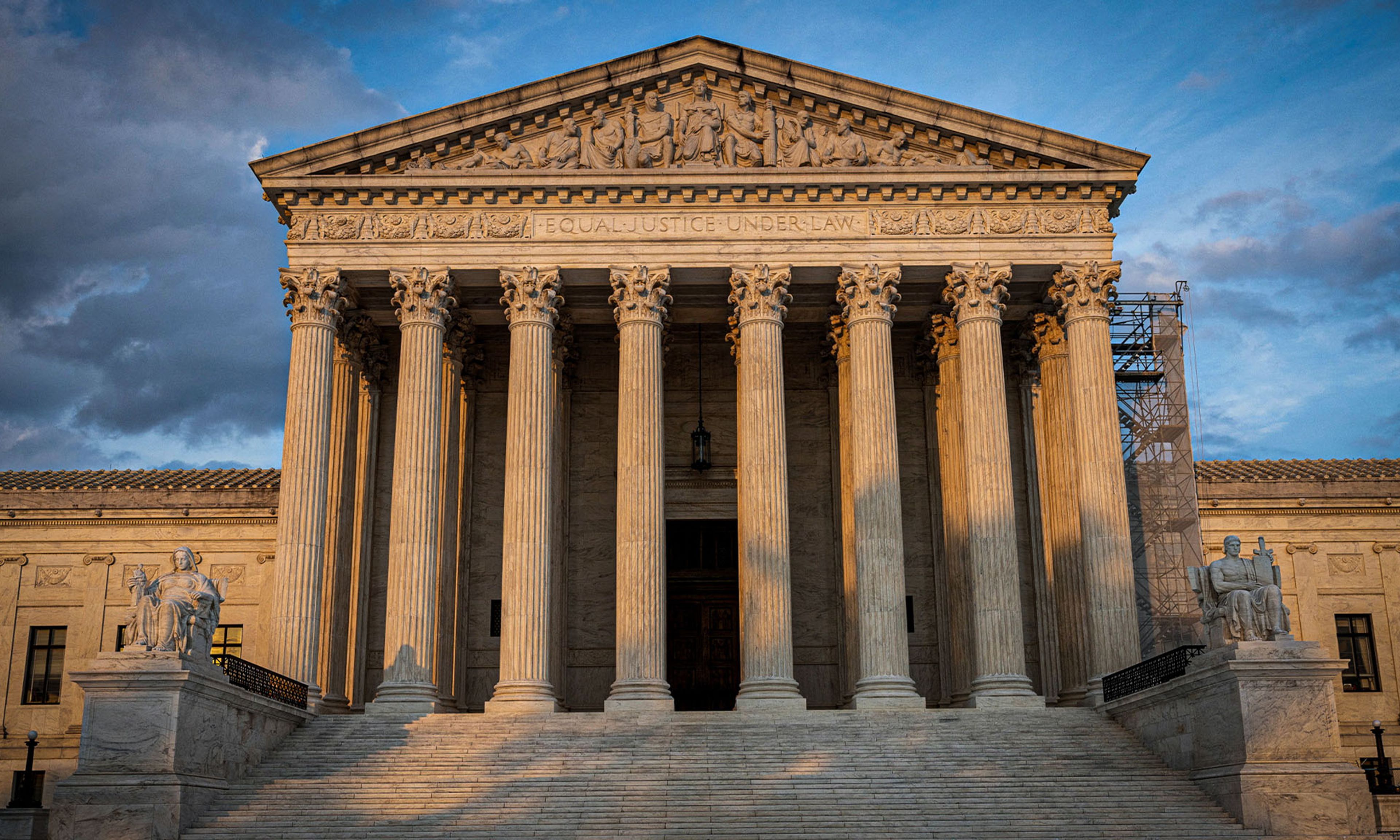
The Supreme Court handed down three opinions this morning. While some dealt with more compelling subjects than the others, they all basically turned on questions of process and statutory permissions to sue. One, Wisconsin Bell v. U.S. ex rel Heath, is a victory for False Claims Act lawsuits against fraud on the government, with the Court unanimously concluding (in an opinion by Justice Elena Kagan) that fraudulent “claims” on the government covered by the statute can include a reimbursement request in a program to subsidize classroom and library internet, so long as the government pays part of the reimbursement. Justice Clarence Thomas wrote a concurring opinion noting his skepticism that “the FCA applies to funds that private parties pay to other private parties,” an implication he found in the government’s argument. Justice Brett Kavanaugh also wrote a short concurring opinion reiterating separation of powers concerns he has about qui tam lawsuits, in which private parties sue on the government’s behalf.
A second, Williams v. Reed, was more divisive: Kavanaugh wrote in a 5–4 opinion that states can’t defend lawsuits under 42 U. S. C. §1983 on grounds that the plaintiffs failed to exhaust their state administrative remedies before filing suit (in this case, over alleged failures of Alabama to pay timely unemployment claims) when the basis of the lawsuit was precisely that the state’s process had imposed undue delay. To Kavanaugh, this “created a catch-22: Because the claimants cannot sue until they complete the administrative process, they can never sue under §1983 to obtain an order expediting the administrative process.” But to Thomas, joined in dissent by Justices Samuel Alito, Neil Gorsuch, and Amy Coney Barrett, this was a federalism issue: “As a matter of first principles, States have unfettered discretion over whether to provide a forum for §1983 claims in their courts. And, Alabama’s exhaustion rule does not transgress the limitations that our precedents have recognized. . . . Our precedents establish [only] that States must exercise this jurisdictional latitude only through ‘neutral’ rules that do not embody any ‘policy disagreement’ with federal law.”





Comments