
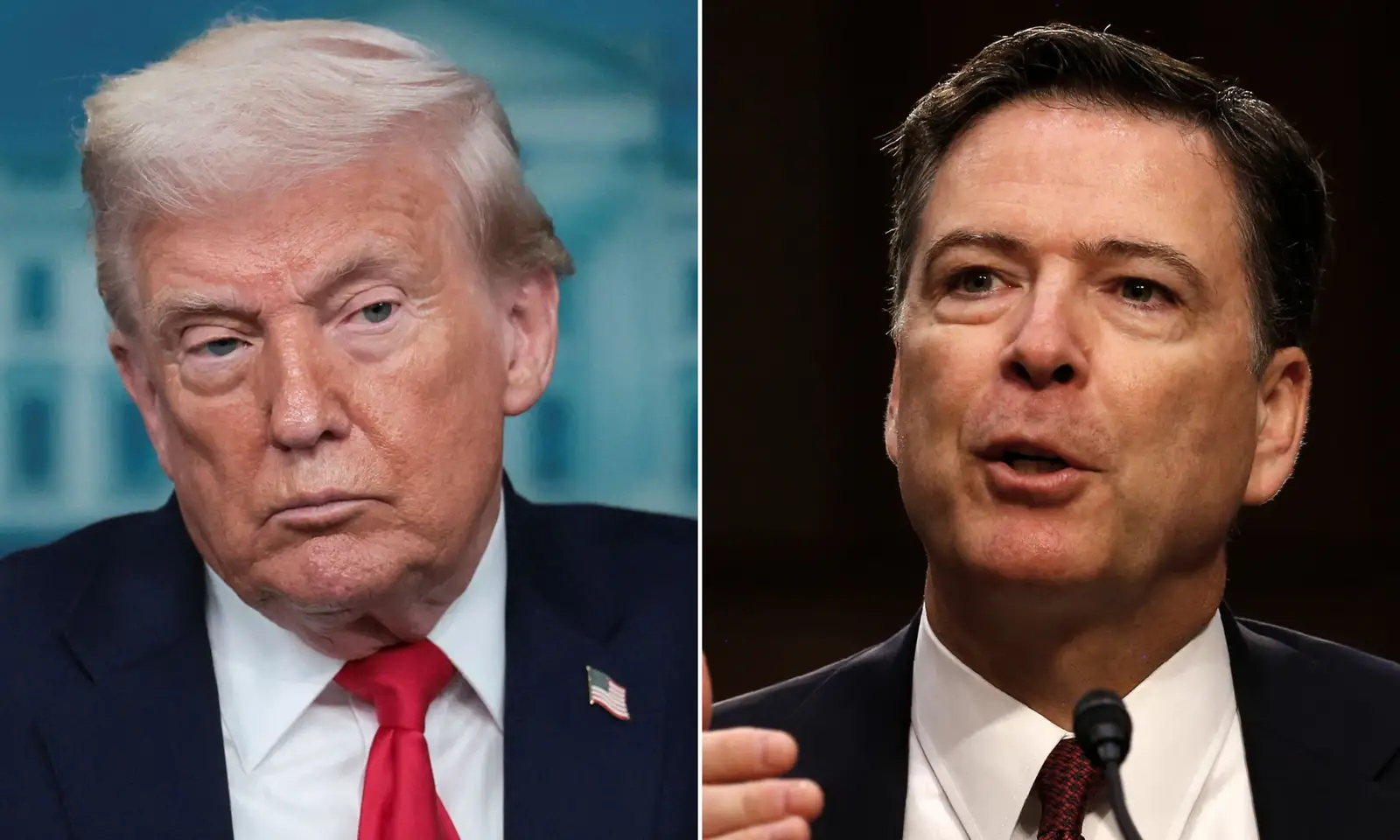
Earlier, I posted about Friday’s hearing in the Trump DOJ’s latest attempt to prosecute , the president’s political enemy. There was one other bit of intrigue at the hearing that should be addressed.
Because the Trump lawfare cases have been so patently weak and vindictive, it is common for Main Justice, under , to recruit prosecutors from around the country to handle such matters — a signal that prosecutors in the district that is the venue for the case are concerned about sullying their reputations with the judges of the district court. The venue for the new Comey case is Washington, D.C., but it is not being handled by the U.S. Attorney’s Office for the District of Columbia. Rather, the charging instrument (as I’ve explained, a criminal information that is legally invalid to commence a felony case) was signed by acting Deputy Attorney General (DAG) Trent McCotter (Blanche’s No. 2), and a top Associate DAG, Aakash Singh. In court, the case is being overseen by Dustin Farahnak, a Justice Department attorney from Texas who is apparently working as a Special Assistant U.S. Attorney under the supervision of McCotter and Singh.

Comments
On “It’s Highly Unlikely the Trump DOJ Can Extend the Comey Statute of Limitations”