
We’ve seen presidents and vice presidents come into office before with pie-in-the-sky ideas about how easy it is to bring about world peace if only the mean old United States would stop being such a warmonger. At some point, however, reality tends to intrude. In no case has this been truer than in our Russia policy. Woodrow Wilson, as late as in January 1918, in his “Fourteen Points,” declared that “the treatment accorded Russia by her sister nations in the months to come will be the acid test of their good will, of their comprehension of her needs as distinguished from their own interests, and of their intelligent and unselfish sympathy.” By July, Wilson was dispatching American troops to Russia to stop the Bolsheviks and revive the Eastern Front. Jimmy Carter came to office pledging to slash the military budget and “signal restraint to Moscow.” After the Soviet invasion of Afghanistan, Carter kicked off a major defense buildup and slapped Moscow with a grain embargo and an Olympic boycott. George W. Bush, no dove, treated Russia as a partner against Islamic radicals and told us that he had looked into Vladimir Putin’s soul, but he was singing a different tune after Putin invaded Georgia in 2008. Barack Obama won the Democratic nomination on the back of an anti–Iraq War speech he had given six years earlier and signaled American retreat in Afghanistan; he ended up staying in Afghanistan and going back into Iraq. On the Russia front, Obama and his team gave us Hillary Clinton’s Russian “reset,” the sneering dismissal of Mitt Romney’s warnings with “the ’80s called,” and Obama’s pledge to Dmitry Medvedev that he’d have “more flexibility after the election.” Obama, too, learned the hard way and pivoted to a harder anti-Kremlin line in his final two years, after the 2014 Russian seizure of Crimea. Donald Trump, of course, spent the 2016 election sounding like Putin’s best buddy, but his first term featured a lot of tough sanctions on Russia and the provision of lethal aid to Ukraine.
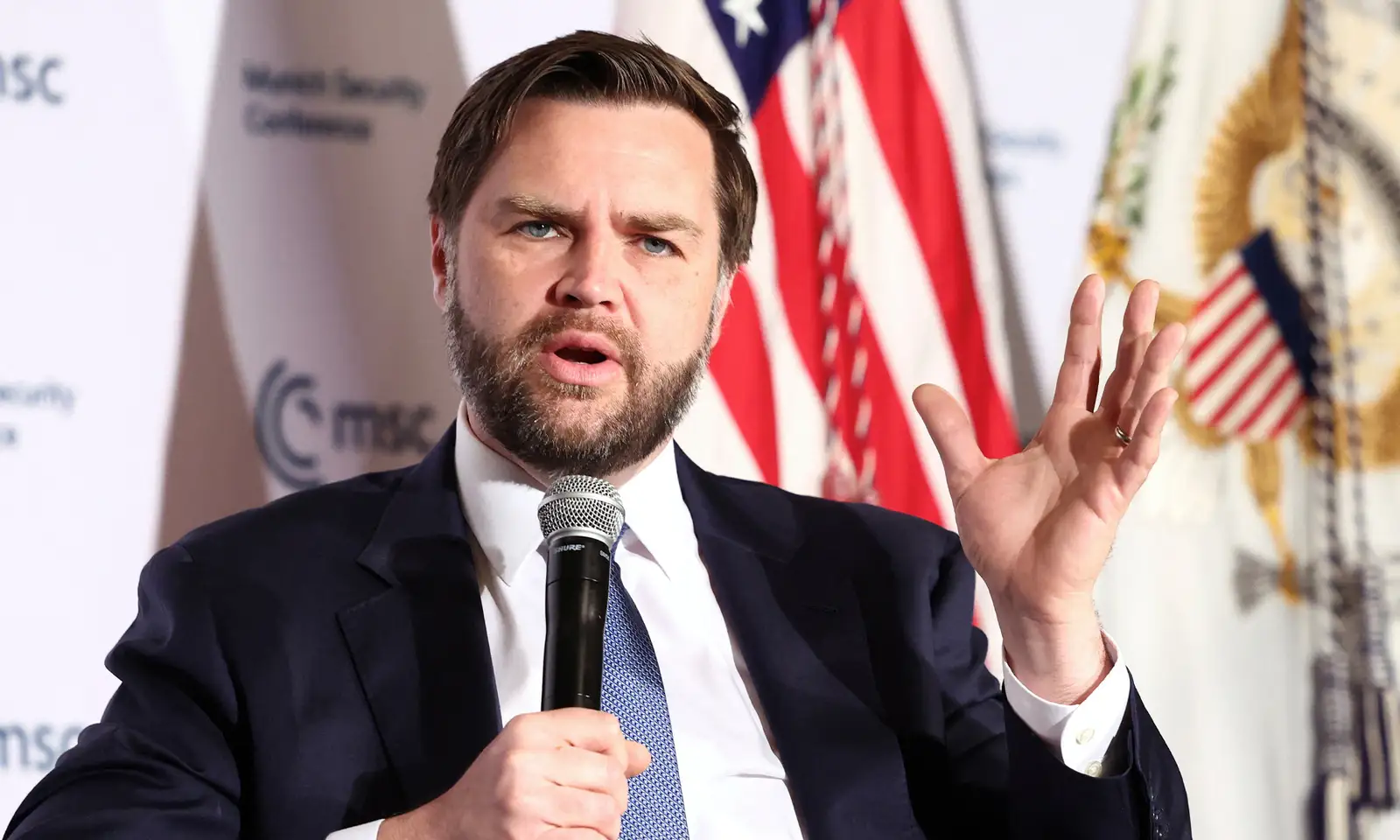
Now, it’s JD Vance’s turn to be mugged by reality. Much like Obama, Vance has built his whole political identity so completely around opposing the Iraq War, applying it as a model to everything else — especially to American support for Ukraine’s resistance to a Russian invasion — and personally attacking any Republican who deviates from his view that it is difficult to introduce much realism into his ideological framework. But at a Munich Security Conference meeting in Washington, D.C., Vance acknowledged that the whole mind-set of treating the Ukrainians as the opponents of peace was colliding with the reality of the Russian and Ukrainian negotiating positions. While Vance insisted that “I’m not yet that pessimistic on this,” that “I wouldn’t say that the Russians are uninterested in bringing this thing to a resolution,” and that “we think that if cool heads prevail here we can bring this thing to a durable peace,” he elaborated:



Comments
On “JD Vance Gets Mugged by Russian Reality”