
There’s a famous quote, attributed to Talleyrand, about the behavior of the Bourbons when they returned to the French throne after the fall of Napoleon:
They had learned nothing and forgotten nothing.
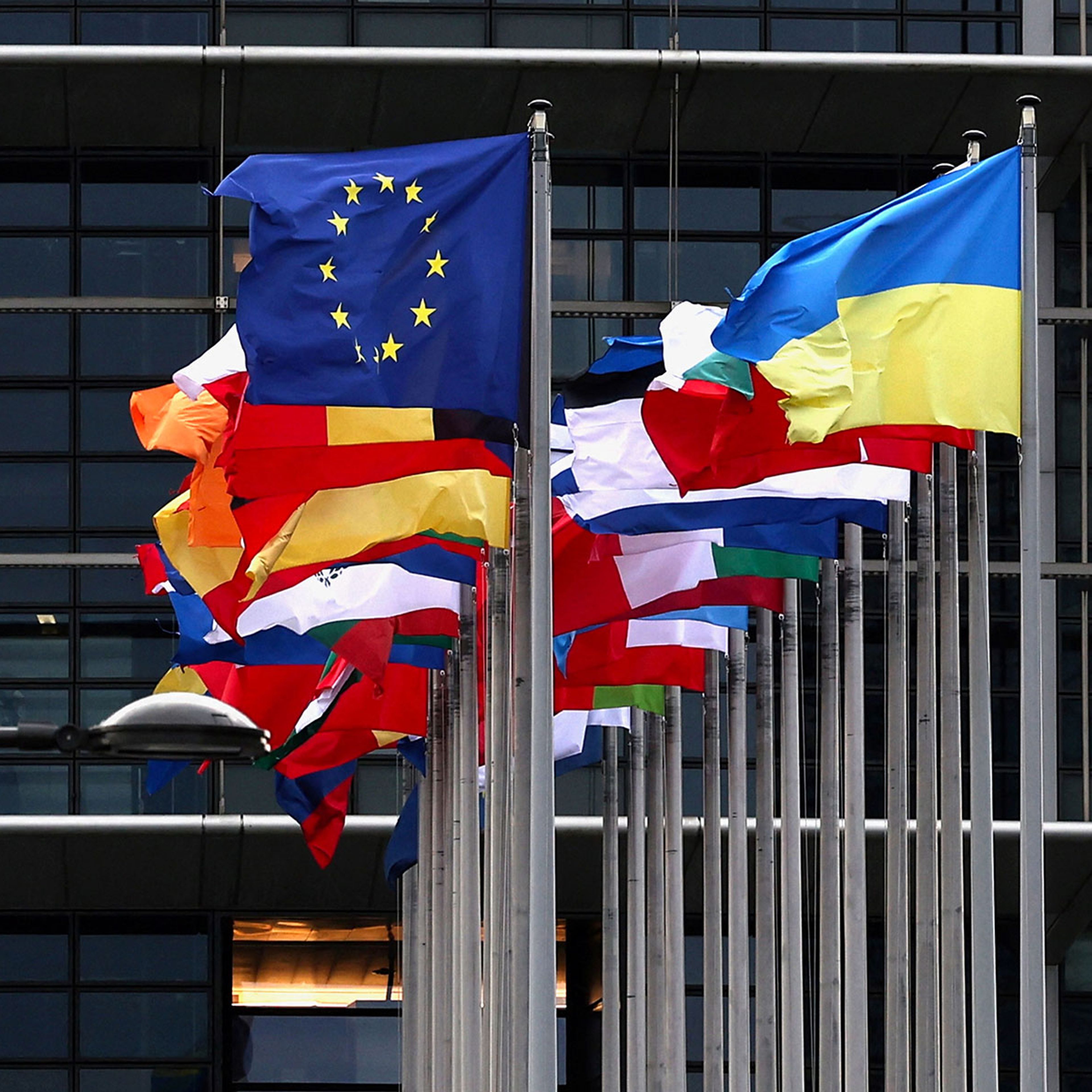
Keep that phrase in mind as you read this from Jean-Claude Juncker, the EU’s top bureaucrat, just months after the Brexit vote and quite a bit more besides:
Borders are the worst invention ever made by politicians.
And (via Business Insider):
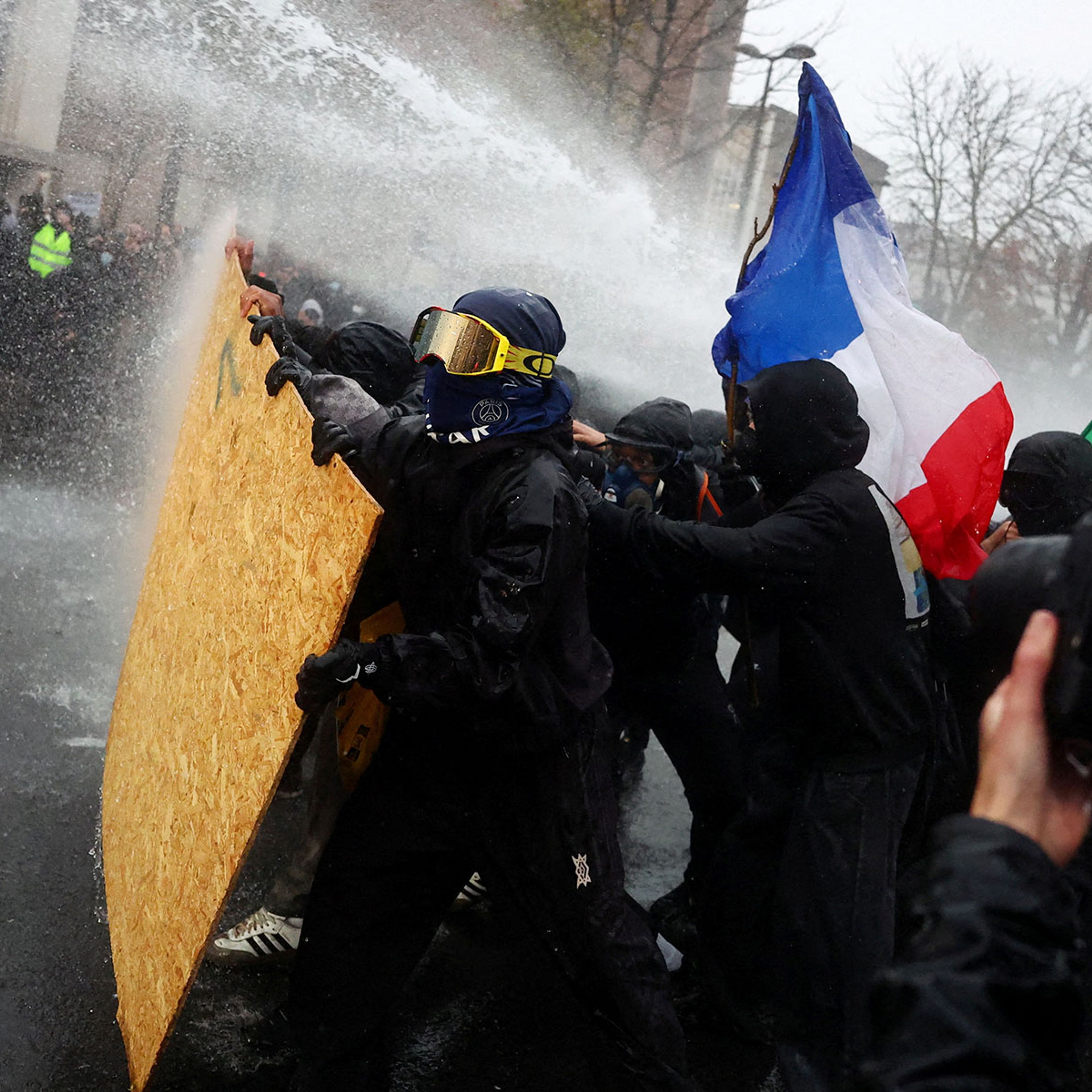
“We have to fight against nationalism,” said Juncker, who is the president of the European Commission, the EU’s executive branch. “We have the duty not to follow populists but to block the avenue of populists.
Absent: Any thought that it might be a good idea to deal with the concerns that have turned voters towards populism.
Meanwhile, writing in the Guardian, Bremainer Anatole Kaletsky argues that the EU leadership should present the UK with a choice between a genuinely new deal or a ‘hard Brexit’:
Suppose EU leaders invited the British government to negotiate on the policies that dominated the referendum and are also fueling resentment in other European countries: loss of local control over immigration; the transfer of power from national parliaments to Brussels; and erosion of social models that depend on strong bonds of citizenship and generous welfare states.
Imagine, for example, that EU leaders endorsed Denmark’s recent proposal to allow national governments to differentiate between welfare payments to citizens and recent immigrants, or that it extended to all of Europe the Swiss plan for an “emergency brake” against sudden immigration surges. Imagine them easing the counterproductive budget and banking rules that have suffocated southern Europe. Imagine, finally, that the EU acknowledged that centralisation of power has gone too far and formally ended the drive for “ever closer union”.
That would indeed be something, but then Kaletsky crashes back to earth:
Such reforms are considered unthinkable in Brussels, because they would require treaty changes and could be rejected by voters. But voters who opposed previous EU treaties for centralising power would almost certainly welcome reforms that restored authority to national parliaments. The real obstacle to reform is not the difficulty of treaty change; it is the bureaucracy’s resistance to ceding power.
The European commission remains obsessed with defending the acquis communautaire, the collection of powers “acquired” by the Union, which EU doctrine dictates must never be returned to nation states. Jean-Claude Juncker, the commission president, and his chief of staff, Martin Selmayr, have even welcomed Brexit as a chance to “strengthen the acquis” by centralising power even more.
Juncker, like May, should recall King Canute. The tide of national democracy is rising across Europe, and slogans about “ever closer union” will not reverse it. European leaders must acknowledge reality – or watch Europe drown
There, I suspect, Kaletsky is, in a sense, too optimistic. I’m sometimes told by milder euroskeptics that Britain would do better to remain within the EU until the point of the union’s inevitable, not so far distant, terminal crisis, at which point the UK would, as an insider, be far better placed to cut a good deal with whatever constellation emerged next. I can see the appeal of that argument, but I don’t buy it. The euro has, against all the odds and most of the commonsense, held together and, so I think, will the EU. It will not drown, but it will stagnate, further draining democracy and economic vitality from its member-states.
Waiting for the inevitable break-up that is anything but would thus be an expensive gamble that would be almost certain to fail.




Comments