
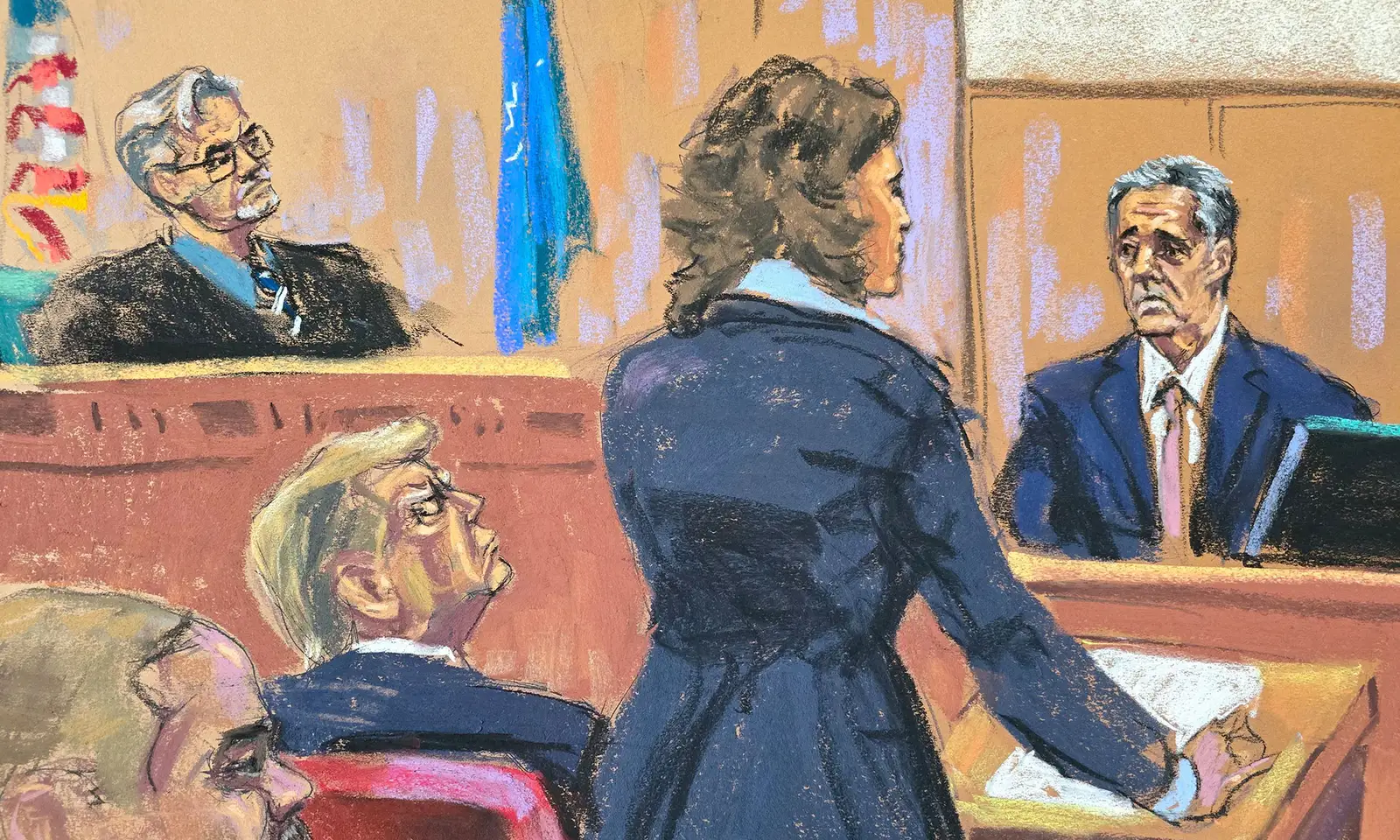
In Manhattan criminal court today, Michael Cohen testified about a recording the jury had already heard in the criminal trial of former president Donald Trump. It was a recording of a conversation between Cohen and Trump on September 6, 2016 (about two months before Election Day). At the time, Cohen was a lawyer working for Trump and the Trump organization. (He has since been disbarred following his sundry convictions for perjury and fraud.)
It is ethically dicey, to say the least, for a lawyer secretly to record a client. An attorney has a duty of fealty to the client — one that continues even after the representation ends. It would obviously be preferable for a lawyer to inform his client that he is recording their conversation; for such recording to be proper, with or without notice given to the client, the recording would have to be in the service of the client’s interests — the legitimate purpose of the attorney–client relationship. It could not be done to undermine the client, such as to have something to hold over the client.


Comments
On “Lawyer Cohen Testifies about Covertly Recording Client Trump”