
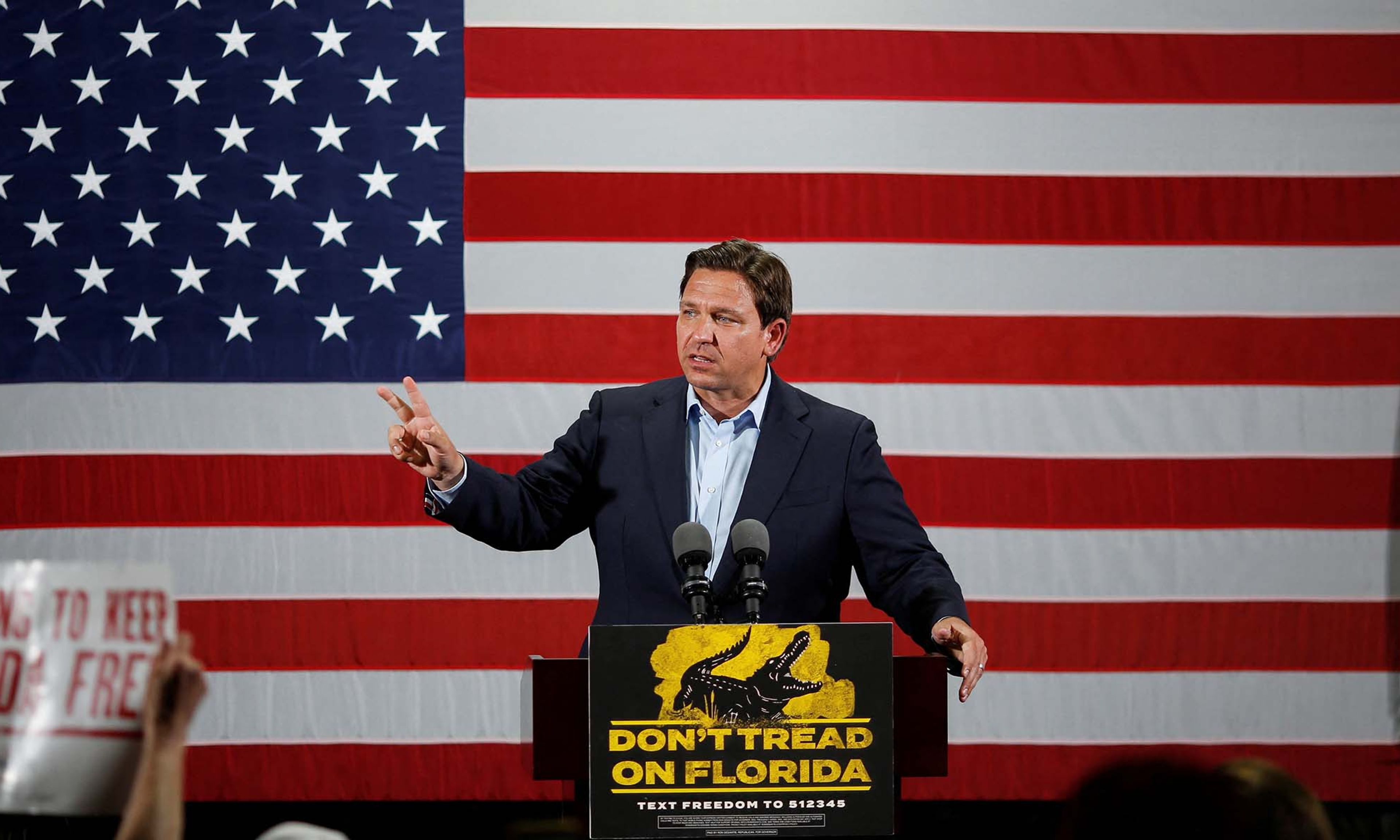
We’re not done counting votes or election results, but it is clear that the 2022 midterms were a disappointment for Republicans. What does that tell us for 2024? In my immediate postmortem column, I noted a silver lining: Democratic presidents rebounded to win reelection after the 1994 and 2010 blowouts, and in 2012, that included running the table in Senate races as well. Republican presidents did so after bad first midterms in 1982 and 1954. By contrast, if you look at the last three presidents to lose reelection, Jimmy Carter and George H. W. Bush both had largely mild, status quo midterms in 1978 and 1990, respectively, and Donald Trump’s midterm losses in 2018 were softened by gaining seats in the Senate and retaining a bunch of crucial governorships. Each of those midterms and presidencies had its own dynamics, but the outcome of a first midterm is closer to being inversely related to a president’s reelection than to being a test of his strength two years later. True, George W. Bush was reelected after the wildly successful 2002 midterms for his party, but Bush — like John F. Kennedy in 1962 — made big gains on the basis of his foreign policy being hugely popular at the time of the midterms.
Erick Erickson argues that Republicans should learn from the last time the party was out of power and had disappointing midterms: 1998. The 1998 midterms were after Bill Clinton’s reelection, so it can tell us little about Joe Biden and the Democrats. And it was a very different political environment: Americans were deeply uneasy about Bill Clinton’s honesty, integrity, and basic decency amidst the Monica Lewinsky scandal, and the politics of the 1990s generally favored Republican ideas on a lot of issues, but they were also very happy with his job performance during a booming economy. The 1994 Republican revolution behind Newt Gingrich had shown the way forward for a Republican resurgence and compelled Clinton to adopt a good deal of the Republican policy agenda, but people were still turned off by what they saw as the harshness and hypocrisy of the party’s congressional leadership and its overzealousness in pursuing impeachment against Clinton. Those failures of personality, tactics, and public image created a gap between the potential Republican coalition and the actual performance of the party at the polls in 1996 and 1998.

Comments