
The Financial Times’ Philip Stephens is a reliable propagandist for the Brussels order, so, right on cue, here he is, fretting about—dread word—‘populism’.
Put a bunch of European leaders in a room and it is fair bet that the conversation turns to the rise of populist politics across the continent. A year or so ago, the same politicians would have been obsessed with the markets’ threat to the euro. Now they worry about whether European democracy can survive the shock of saving the single currency.
That the single currency is itself, by definition and by intent, an assault on democracy is not something Mr. Stephens chooses to address, instead we work our way through an (interesting) discussion on austerity and sovereign bonds before getting to the real point.
The other day I was in Rome interviewing Enrico Letta, Italy’s new prime minister, at a gathering hosted by Aspen Institute Italia, a think-tank. The social democrat Mr Letta knows better than most the dangers of populism. His government, a grand coalition of left and right, emerged from the deadlock created by the rise of Beppe Grillo’s Five Star Movement. Like populists across the continent, Mr Grillo appealed to the dispossessed.
The talented Mr. Letta, of course, is an oligarch’s oligarch, an eurofundamentalist who has repeatedly called for a “United States of Europe”, a would-be assassin of democracy, not its savior.
No matter:
My sense is that Mr Letta, who may survive longer in his post than speculation suggests, is not about to roll back the frontiers of fiscal prudence or abandon efforts to modernise the Italian economy. But he is right to say no prime minister can ignore the disaffection of 8m voters; and to warn that the biggest winners in next year’s European elections could turn out to be anti-Europeans of left and right.
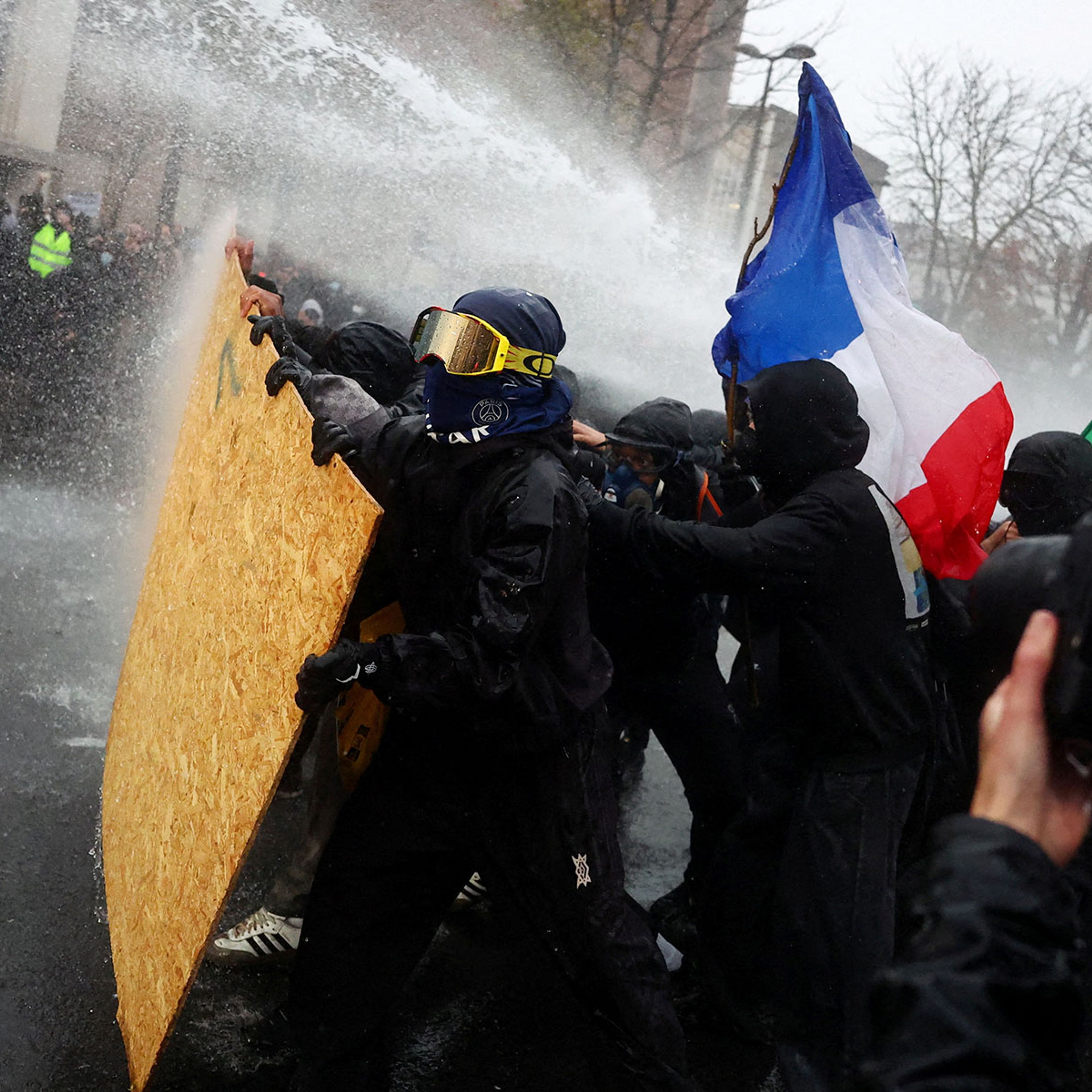
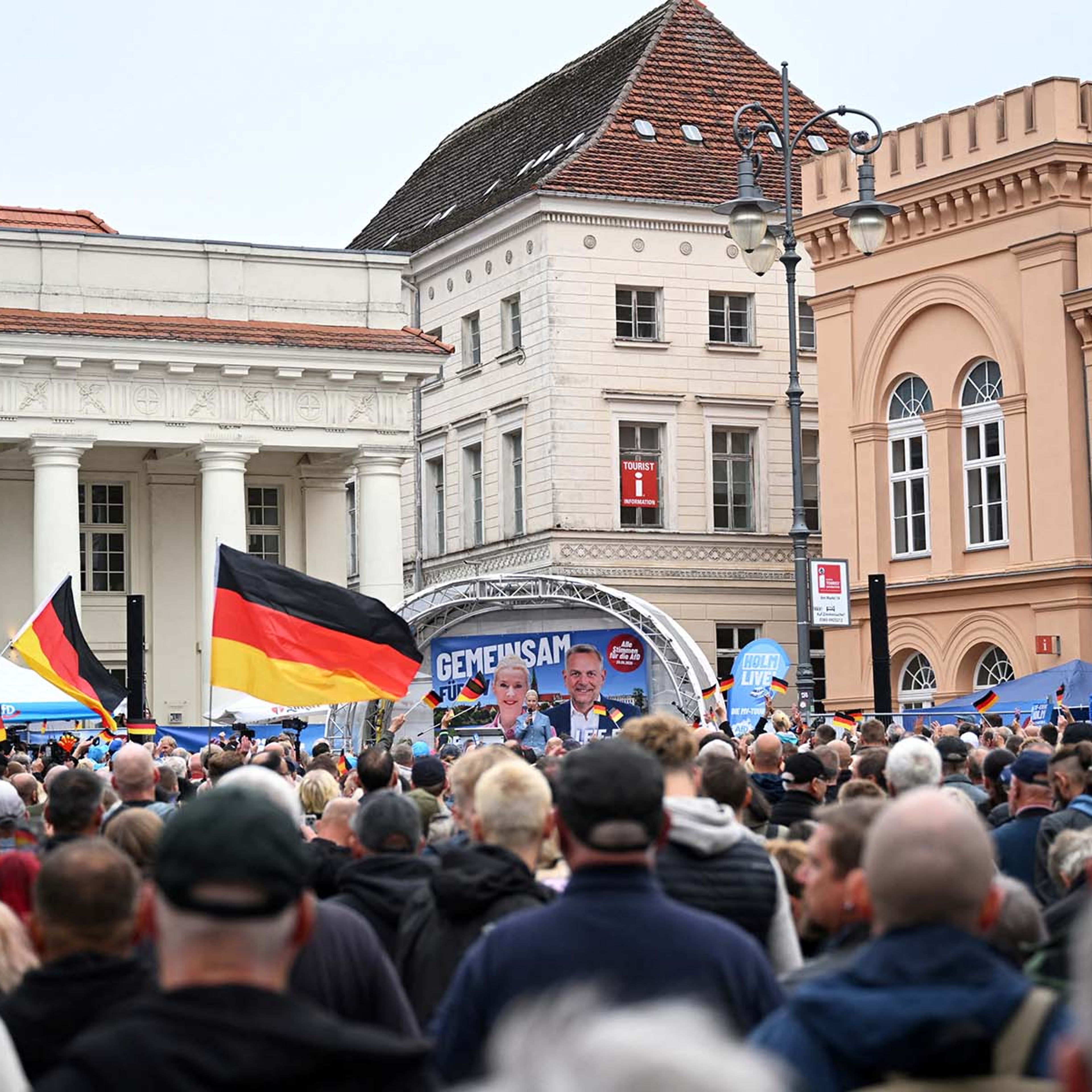
Italy has Mr Grillo; France has its National Front; Britain its UK Independence party; Finland its True Finns; and Greece its fascists [oddly, Mr. Stephens leaves out the Greece’s far-left Syriza, now running second in the polls, from his list]. What unites them is a readiness to blame foreigners for national ills and a capacity to turn youth unemployment into rage against the political establishments.
Oh come on.
What ‘unites’ this very disparate group of parties (if anything) is the disgust of voters for an arrogant political elite that has steamrollered history, democracy, commonsense and the basic laws of economics in the interests of a dream that has brought ruin to millions.
And what this elite wants is more of the same. The radiant future, comrades, is just over the next hill!
Stephens concludes:
Time, though, is running out. The eurozone is in a race between economics and politics. A year ago the bond markets were the enemy; now the threat to the euro comes from populists seeking to overturn the liberal order upon which all European integration depends.
That the real threat to that liberal order is the survival of the euro in its current state and, for that matter, the continuing construction of a superstate that few seem to want is, something that seems to have escaped him.
Or maybe he just doesn’t care.




Comments