
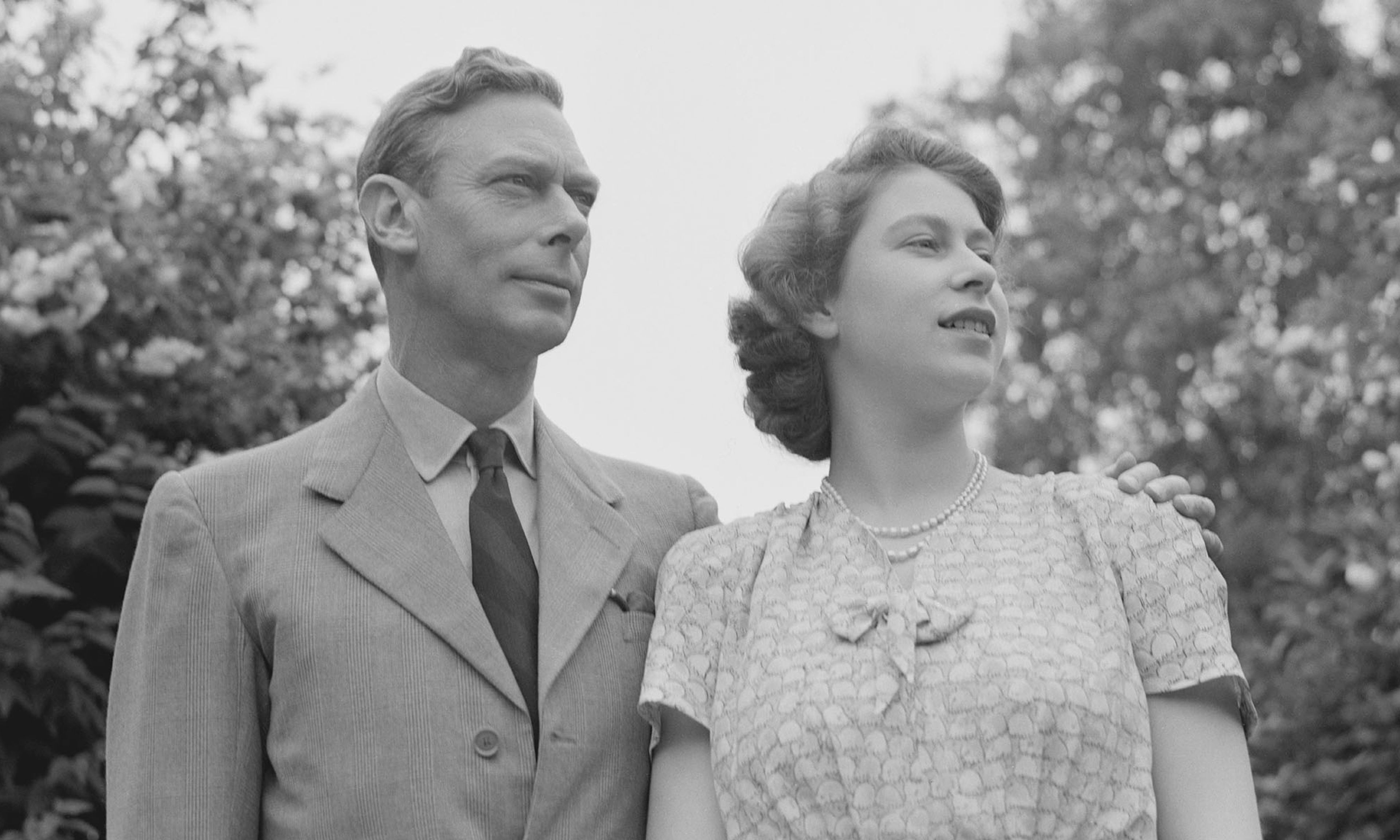
Impromptus today begins with Queen Elizabeth II, and other kings and queens. “She was above politics,” people are saying of Elizabeth. I thought of King Leka, the pretender to the Albanian throne. I had an encounter with him in 2005. He was heading a political party — and this was Election Day. “Have you voted?” I asked him. He said, “I don’t vote. I am above all political parties, even my own.”
My column has a variety of items, as usual. To see it, go here.
For my latest Q&A podcast, go here. It is with David Pryce-Jones. We talk about Queen Elizabeth — and about her father, George VI. In 1942 or ’43, when David was six or seven, he met the King at Buckingham Palace. David’s grandfather, Harry Pryce-Jones, a professional soldier, was receiving the Order of the Bath. This was in the middle of the war, of course.
There were various soldiers and pilots receiving awards from the King. Many of these men were in bad shape: on stretchers and in wheelchairs; with burned faces and missing limbs. David believes he remembers a Pole, weeping. It was explained to David, “He has lost his country.”
King George patted David on the head. He said something like, “Glad to have you here. There are lots of interesting things to see in this palace. I hope you have a good time.”
David next “saw” the King, so to speak, when he observed the King’s funeral procession. This was in 1952, at Windsor. David was in school, at Eton College. They lined the route. The King’s coffin was being carried on a gun carriage, with the King’s crown on top of the coffin. The slope was steep — and the men in charge of the carriage lost control of the carriage. It began to move on its own, gathering speed. And the crown fell off the coffin — right in front of David.
Another boy saved the day: He caught the crown. That was Mike Naylor-Leyland. It was a good thing he caught it, too, because if the crown had hit the ground, it would have been damaged, and that would have been taken as a bad omen.
For his act — his catch, his save — young Naylor-Leyland was given an award: an MVO, i.e., Member of the (Royal) Victorian Order.
Two years later, it’s 1954, and David Pryce-Jones is 18, doing his military service. He attends the Grand National, the horserace, at Aintree, in Greater Liverpool. He is with his friend Edward Cazalet, the son of Peter Cazalet, a royal horse-trainer. They are in the box of Lord Sefton, the owner of Aintree. So is the Queen (a smashing woman in her late twenties).
Suddenly, the Queen beckons David. Handing him a five-pound note, she asks David to place a bet on a horse. David needs to go down a spiral staircase, which is difficult to negotiate. He finally reaches a bookie, who refuses to take the bet — because the race has already started. David thinks: What if the Queen’s horse wins? I will have to pay her a very large sum of money. And I don’t have it. He goes to a second bookie — “less honest,” as David says — who takes the bet.
At any rate, the Queen’s horse fell at the third fence.
There is more in this podcast. David Pryce-Jones discusses royalty and its meaning, for Britons and others. But the stories are special, and to hear them in DPJ’s own voice is more special yet. Again, to listen, go here.






Comments