
It’s been quite a while since I’ve read anything so worthy of a thorough Fisking as Michael Hirsh’s long wet kiss to Mohsen Rezai, one of the leading mass murderers of recent years. I’m racing to my day job, and hope to get back to this later, but this paragraph was typical:
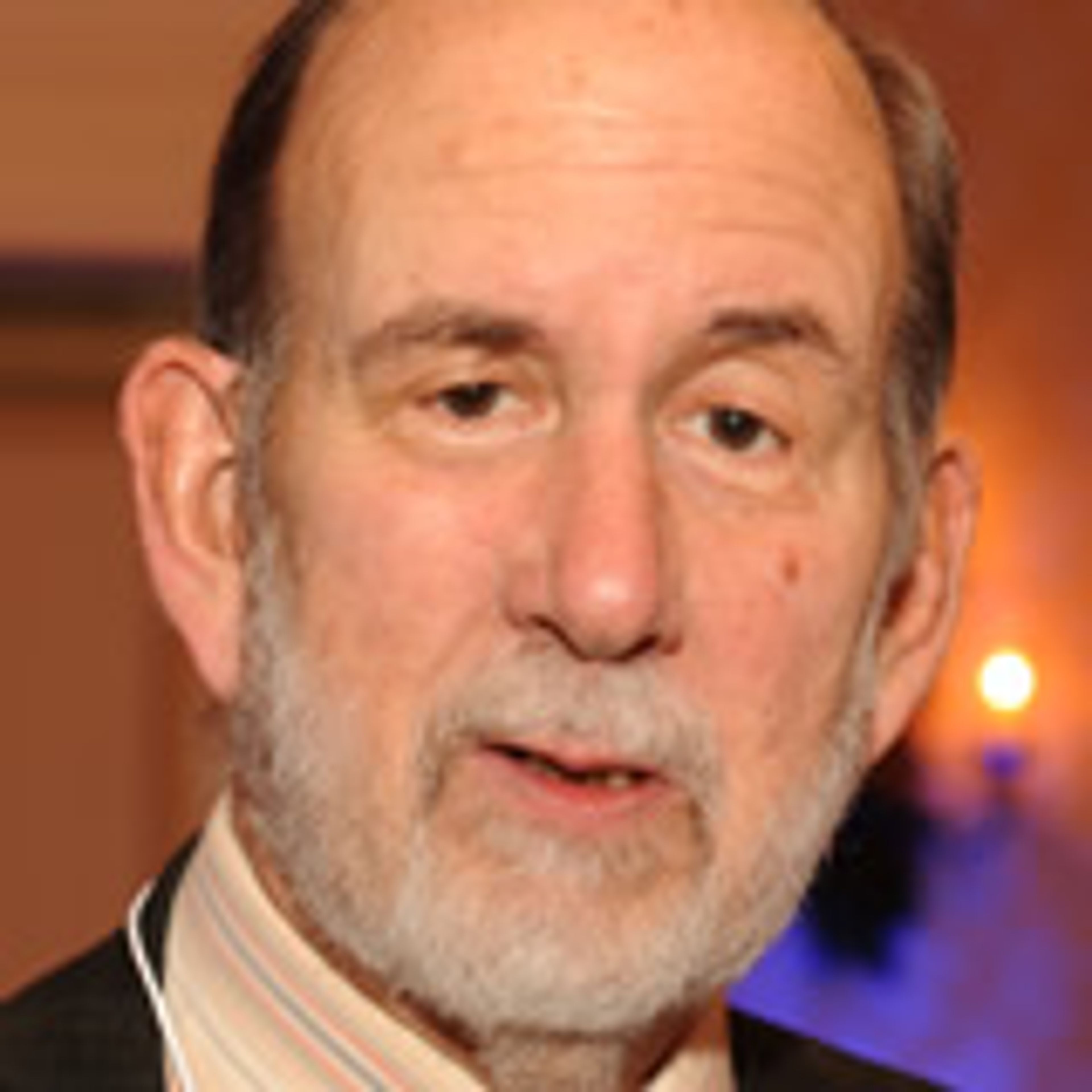
In his late 60s, Rezai doesn’t look as formidable as his résumé. A soft-spoken man of medium height, he commanded the elite Revolutionary Guards during most of the brutal Iran-Iraq war in the 1980s, and he helped lead the Iranian offensives that secured Iraqi territory by the end. (“Iran doesn’t succumb,” Rezai told me proudly when I asked what might happen if the United States ever attacked.) He was also one of five senior Iranian officials whom an Argentine judge named as suspects late last year in the 1994 bombing of a Jewish community center in Buenos Aires that killed 85 people. (Iran called the charges “baseless.”)
Yeah, right. “Iran doesn’t succumb,” he says. But Iran lost that war, agreeing to terms that Ayatollah Khomeini likened to drinking poison. And he isn’t a “suspect” in the murder of scores of innocents in Buenos Aires, he’s been indicted, and Interpol is supposed to arrest him if he tries to travel to the civilized world. The whole piece is like that, with its condemnation of the United States for “starting a Cold War” with Iran. No mention of the basic fact in the “relationship”: that Iran declared war on the United States in 1979, and has been waging it ever since. Feh.




Comments