
There’s a touch of revisionist history in a piece in today’s New York Times on China’s new Communist Party boss, Hu Jintao. The gist of the article (at one point sub-headlined “Appealing to old-time Communist virtues”) is that Mr. Hu will attempt to appear more egalitarian than his predecessor.
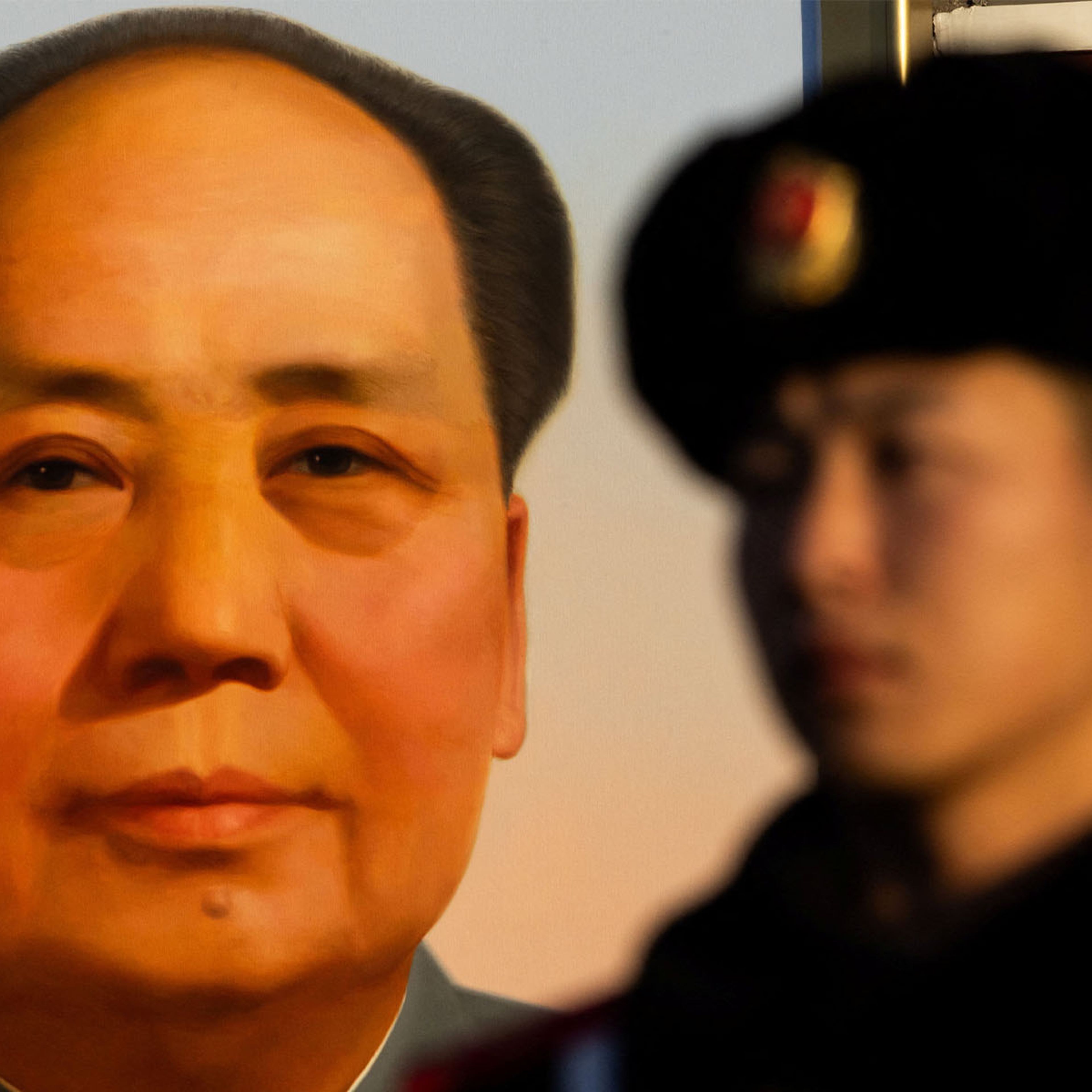
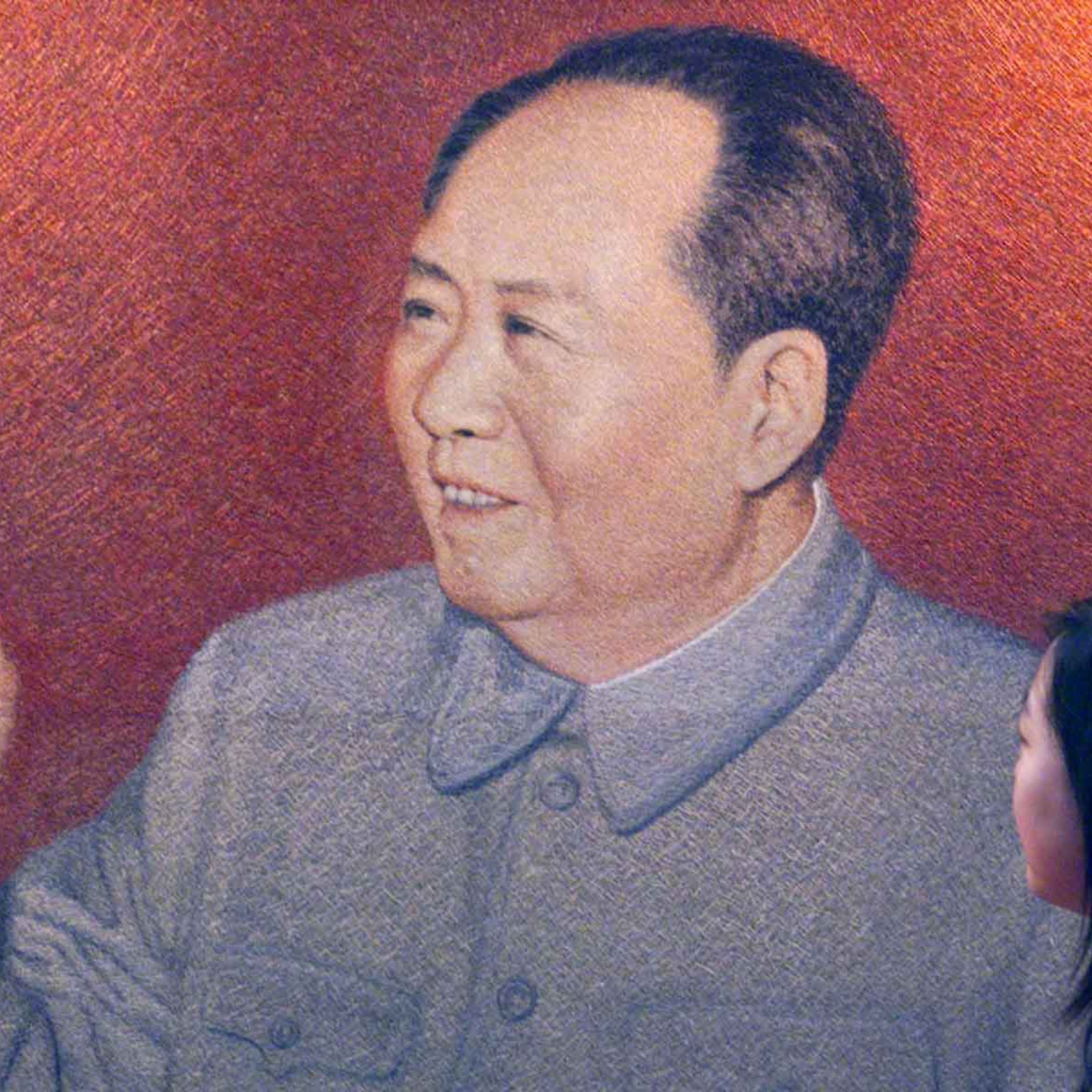
“The writer, Erik Eckholm, tells us that Hu’s “early focus on such homespun virtues as modesty, struggle and helping the disadvantaged implicitly highlights the darker side of China’s rapid growth…even as it taps a deep nostalgia for the betrayed ideals of Chairman Mao.”
“Betrayed ideals”? What betrayed ideals?
As early as 1927 (in a report on the Hunan peasant movement) Mao, then a young revolutionary leader, was talking about the necessity of “a short reign of terror in all parts of the countryside.”
He lied. Maoism was a primitive cult of violence with bizarrely egalitarian millennial overtones, nothing more. The reign of terror was not ‘short’, nor was it ever intended to be. It endured for decades.
Eckholm also quotes a speech by Mao from 1949, the year in which he finally overthrew the old regime. Warning against complacency, Mao called on party members to practice “plain living and arduous struggle.” He then proceeded to spend the greater part of the next three decades living a life of ever more sybaritic excess, not that Eckholm’s readers are ever told that.
The piece also includes remarks by the editor of a Party newspaper, who notes how much a recent speech by Hu had included references to Mao. This was designed, the editor said, to show that Hu’s “legitimacy comes ultimately from Mao, not Jiang or Deng.”
“Legitimacy”? Mao had power, not legitimacy, and his ‘achievements’ – economic stagnation, mass murder and tens of millions dead – speak for themselves.




Comments