
Writing in the New York Times, Hugo Dixon, editor at large of Reuters News, sees populism on the rise in Europe:
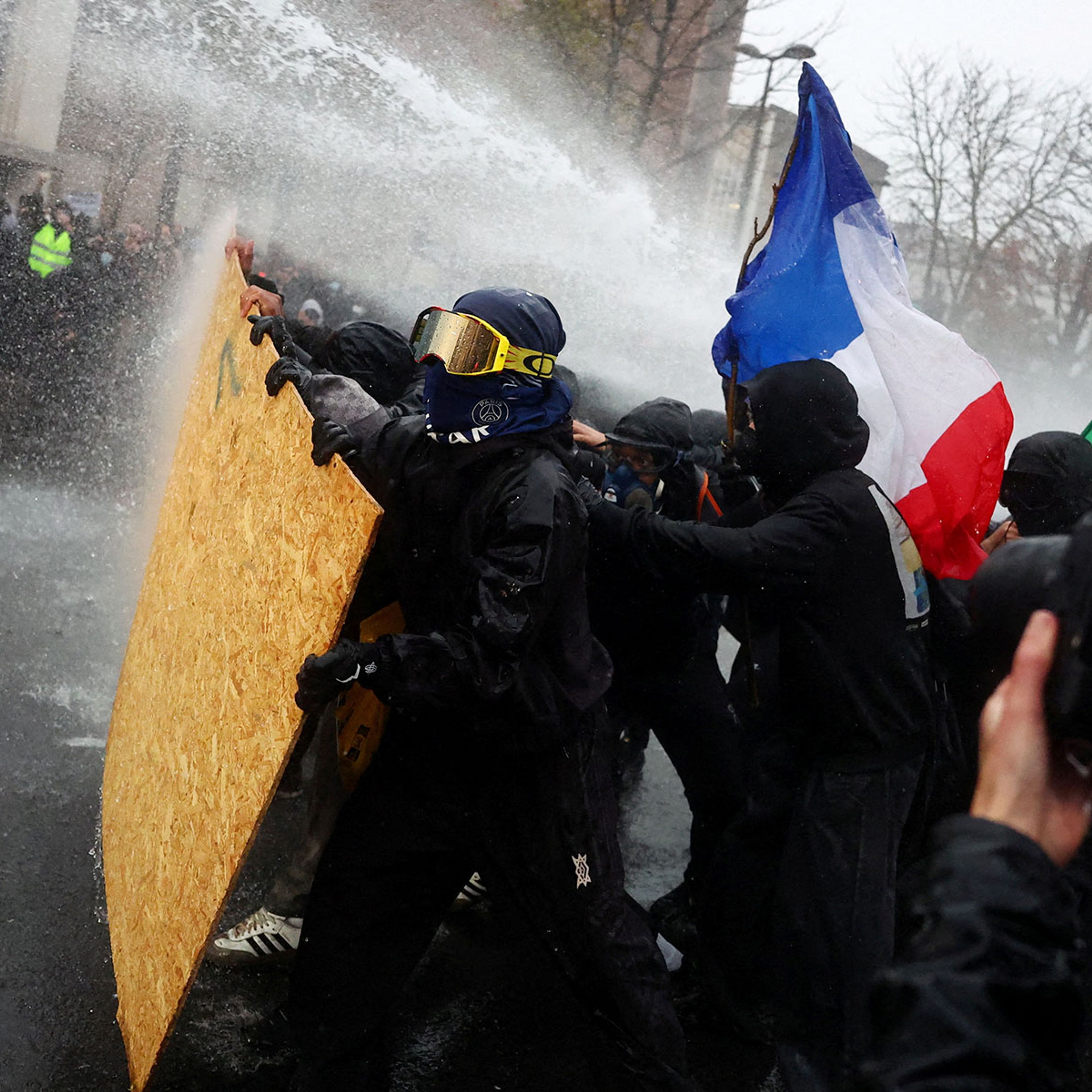
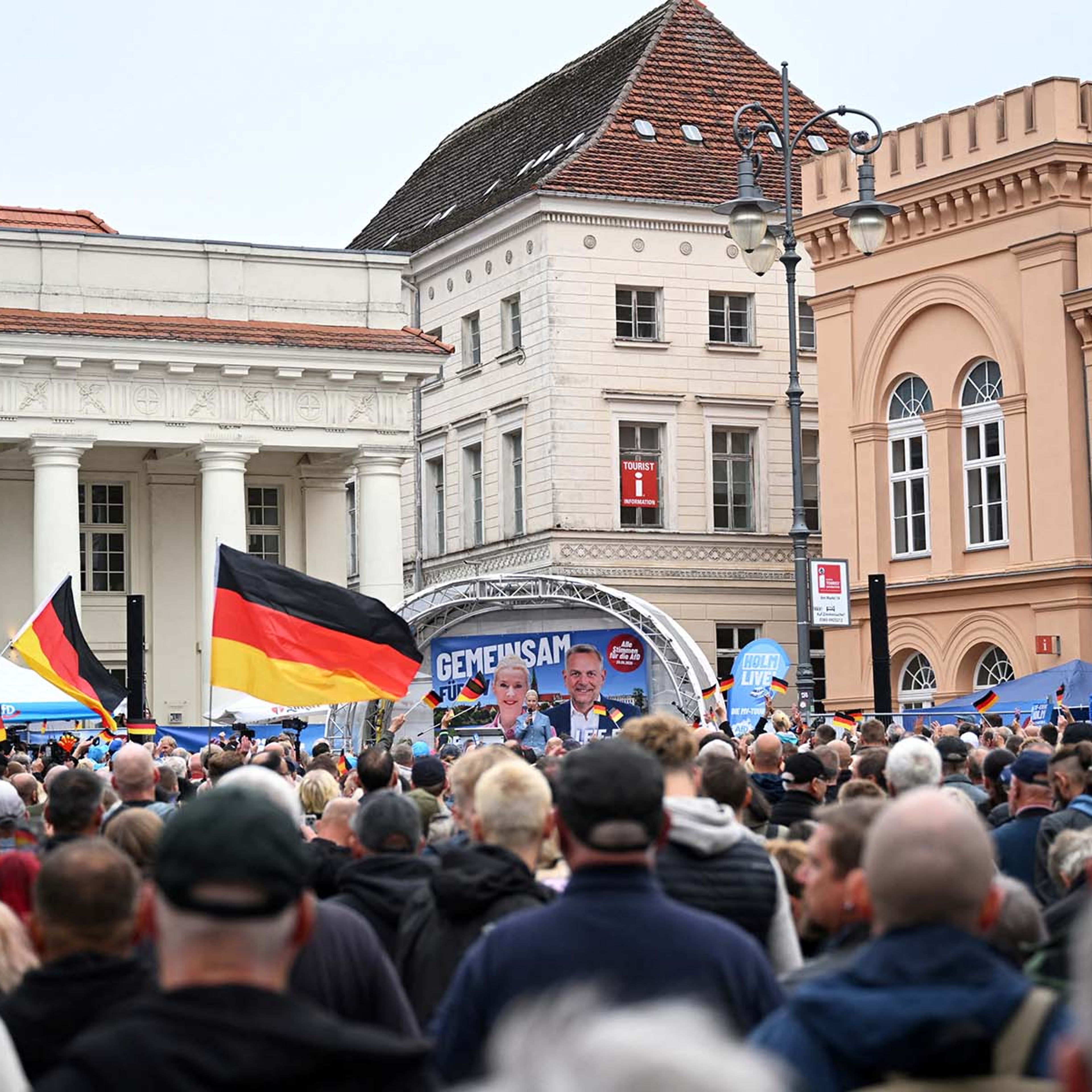
A specter is haunting Europe, the specter of populism. The old political order of Britain, France, Italy and Spain — not to mention smaller countries such as Greece — is facing challenges from populist movements, of the right and the left.
Last week, the United Kingdom Independence Party, a right-wing populist party, won its second seat in the British Parliament. Podemos, a Spanish left-wing populist group whose name means “we can,” is leading in the opinion polls despite having been founded less than a year ago. In France, the right-wing National Front is rocking the establishment, while in Italy the hard-to-categorize Five-Star Movement is a force to be reckoned with.
With the exception of Greece, where the radical left Syriza movement may take control of the government if there is an election next year, none of the populist groups is close to power. But if the traditional parties continue to fail the people for another electoral cycle, the populists could storm the barricades….
The cures proposed by the populists, however, are worse than the disease. UKIP wants to pull Britain out of the European Union. The National Front wants to destroy the Union. The Five-Star Movement wants to yank Italy out of the euro. Podemos wants to audit part of the national debt before writing it off. Syriza wants to write off half of Greece’s debts.
Such policies, if ever implemented, would create a new set of economic crises. Policies such as pulling out of the Union would involve losing full access to its single market. Abandoning the euro, disastrous though the currency has been, or unilateral debt write-offs would lead to bank runs and capital controls.
Extricating the nations of Europe from the mess into which ‘ever closer union’ has landed them will not, to put it mildly, be easy, but staying the course (which is essentially what Mr. Dixon goes on to recommend) risks deepening the economic and democratic destruction that has already opened the door to populism of just the sort that he (in some cases correctly) fears.
But let’s look at the consequences of some of the specific populist policies that so worry Mr. Dixon.
Contrary to what he argues, pulling out of the EU would not, in fact, necessarily lead to loss of access to the EU’s single market. The terms of any country’s departure from the EU would be governed by Article 50 of the EU treaty, which theoretically sets the stage for a reasonably orderly divorce. The terms of that divorce will be a horse trade. Given the economic value of the UK (and it’s the UK that Mr. Dixon is really writing about) to the rest of the EU there is good reason to think that Britain would be able to negotiate full access to the single market should it so choose.
As for “destroying” the union, well, sometimes destruction can be creative. To simply blow up the EU, leaving nothing behind, risks chaos, but genuinely radical change to its existing institutional structure, including a legally binding halt to the process of “ever closer union” is long overdue, if hard to imagine as matters currently stand. If it had been done fifteen years ago, Europe would not be in the mess it now is and Brexit would have no part on the agenda of Britain’s mainstream political debate.
And the euro? Again I suspect that the alternatives are less binary than Mr. Dixon would suggest. We could debate Italy’s ability to navigate a return to the lira, but would it not be better to look (as I have possibly mentioned before) at splitting the euro into two units—‘Northern’ and ‘Southern’—that more accurately reflected the economic realities of the countries in which they circulated?
Mr. Dixon believes that the EU should boost spending, embrace deeper structural reform and loosen current monetary constraints. He also wants the political class to clean up its act:
[P]art of the solution, certainly, has to be zero tolerance toward corruption and cheating. Part of it, too, should be to acknowledge the failings of politics.
Indeed it should. But part of that acknowledgement should include the recognition that “politics” in the EU has been broken by the imposition of a post-democratic political structure that has lost touch both with economic reality and the essentials of democratic governance. Until something is done to address the failings of that structure—and by that I mean at least partial demolition—Europe will remain stuck in a rut.
Anything else is making those deck chairs on the Titanic just a touch more comfortable.




Comments