
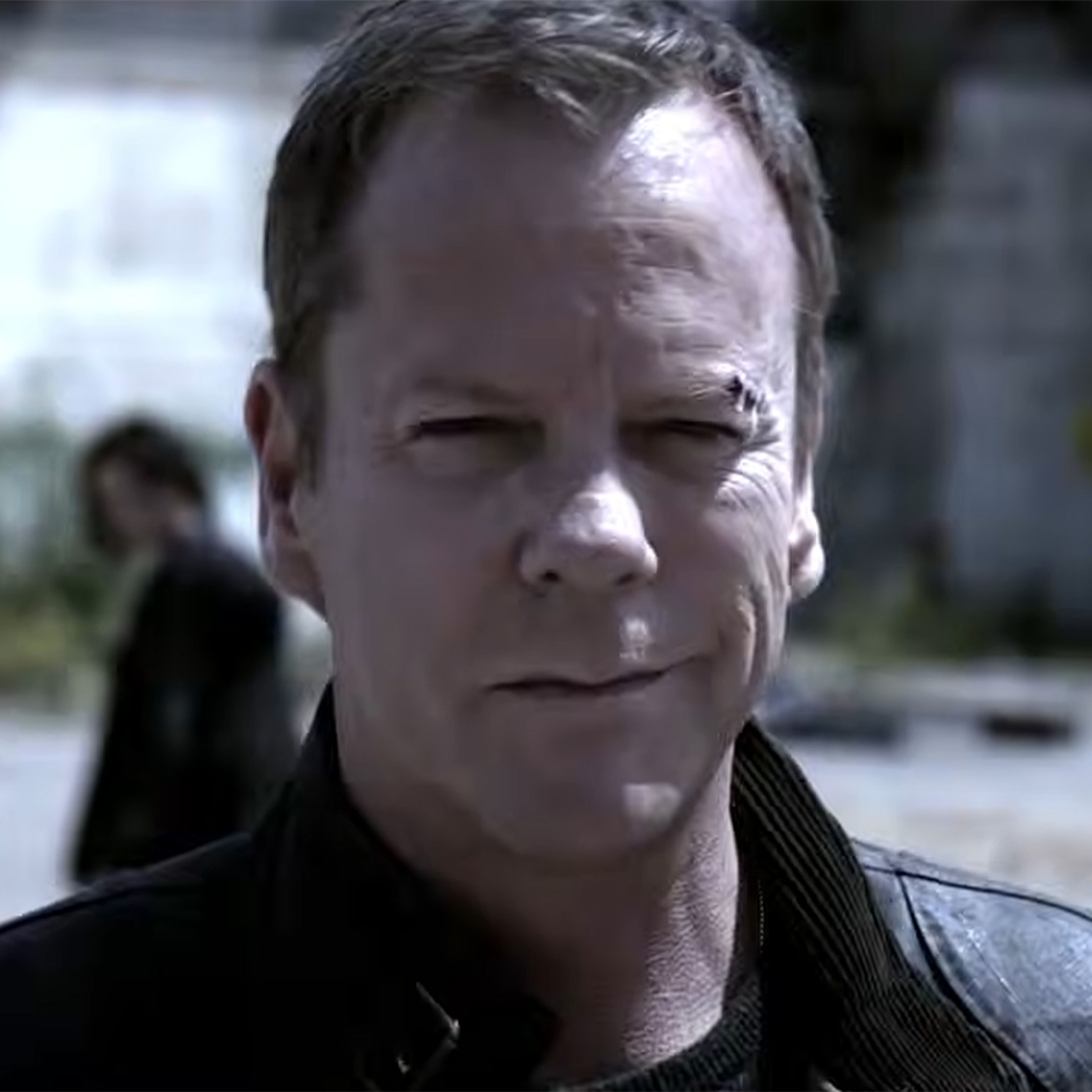
Ezra Klein thinks that the rise of the quick-to-torture Jack Bauer as a major fictional hero is troubling:
There’s been an unsettling change in not only what heroes do, but what makes a hero at all. Any comic book reader knows that what separates heroes from evildoers is their unwillingness to kill, torture, or even personally punish the guilty. Restraint, in and of itself, is a heroic attribute… A few caped crusaders have spent decades covering up the one night when they went too far against an enemy, as they know the larger community of superheroes would be enraged if they discovered the transgression. It isn’t that their actions were indefensible, or even particularly avoidable. The merits of the act itself are beside the point. You can’t transgress ever, or you blur that line separating you from your enemies (another treasured trope is the defeated villain taunting the hero to give in and kill him, the subtext being that if the evildoer can make the hero act the villain, he will have won even as he died).
Bauer, of course, is the antithesis of that attitude. His heroism stems from his brutality, his willingness to dissolve every ethical boundary in pursuit of higher ends. His is a heroism for a weak and scared nation, one that’s decided the old ways of restraint and ethical exceptionalism are insufficiently effective and is trying to convince itself that a loosening of those bonds could restore order and security. That’s a scary shift in the culture.
Is it really that big a shift? We’ve long had soft spots for selfish rogues who, even if they’re really softies on the inside, aren’t really bound by an ethical code (think Han Solo shooting first at Mos Eisley, or Capt. Mal in Firefly) and violent brutes who have no compunctions whatsoever about blowing away swaths of bad guys (think Predator, or most any 80s actioner staring Arnold). In fact, we’ve generally not had much of a problem with heroes who take extreme measures so long as we’re certain that they’re harming the enemy and that there are extenuating circumstances (Harrison Ford, after finding his family threatened, put a bullet in a terrorist’s knee at the end of Patriot Games). It should also be noted that Bauer doesn’t get off scot-free. He’s sacrificed a lot over six seasons; the show is pretty clear about the penalties exacted by his lifestyle.
Obviously, I won’t deny that there’s a long tradition of honorable good guys who stuck to a code while fighting for God and country. And we’ve loved those guys too. But for several decades now, we’ve also increasingly come to appreciate heroes who aren’t constrained by traditional rules, who will shoot first, who will plow down a field full of baddies. Typically those heroes have been either the Han Solo/selfish type or the Arnie/brute type: The genius, at least from an entertainment perspective, of the Bauer character is to combine the no-rules attitude of the Solo type and the brute force relentlessness of the Arnie type with the grounding and certainty of the old style God-and-country hero. It takes the payoff attributes from each character type and combines them into a hero who is just ferociously watchable—as I think the 24’s ratings have shown.
Now, there are countless arguments to make about what this says about America, the war on terror, etc., but mostly I think it just says that the show’s producers have figured out a way to push a whole bunch of audience buttons that used to be separate all at once.





Comments