
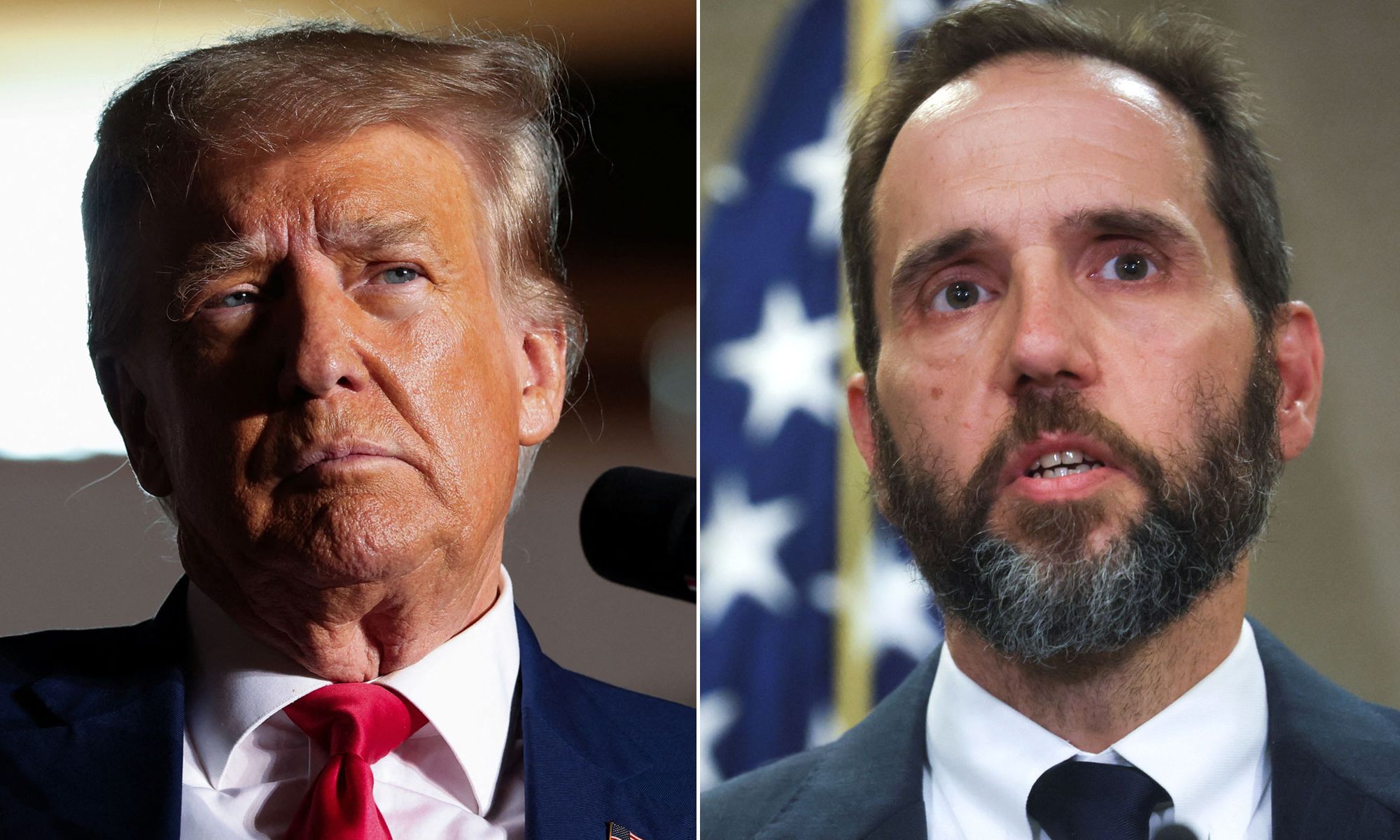
The Supreme Court is poised to rule Monday morning on the immunity issue that has suspended former president Donald Trump’s election-interference case for months. I expect that the Court will recognize that presidents have immunity from criminal prosecution for acts that are within the ambit of their executive authority. Ironically, this will be a favor to Biden Justice Department special counsel Jack Smith: It will leave him with a narrow but apparently strong case, based on the so-called fake-electors scheme, that could be tried in the late summer.
The impact of the immunity ruling on future presidents will be important but not earth-shattering. I believe the Court has been wrestling, since hearing argument on the case in April, with how to write a ruling that essentially codifies a constitutionally-driven norm that did not need be reduced to writing prior to the dual emergence of Trump and partisan prosecutions. The danger of having an express rule is that it could serve as an invitation to executive lawlessness – in a way that the norm, which was not an ironclad guarantee against criminal prosecution, did not. That is an unfortunate development, but it is probably a necessary one in an era of politicized indictments. First, it will limit such indictments to allegations of private misconduct (i.e., not involving official acts). Second, presidents who abuse their powers would still face impeachment, even if criminal prosecution is unlikely, if not impossible.


Comments