
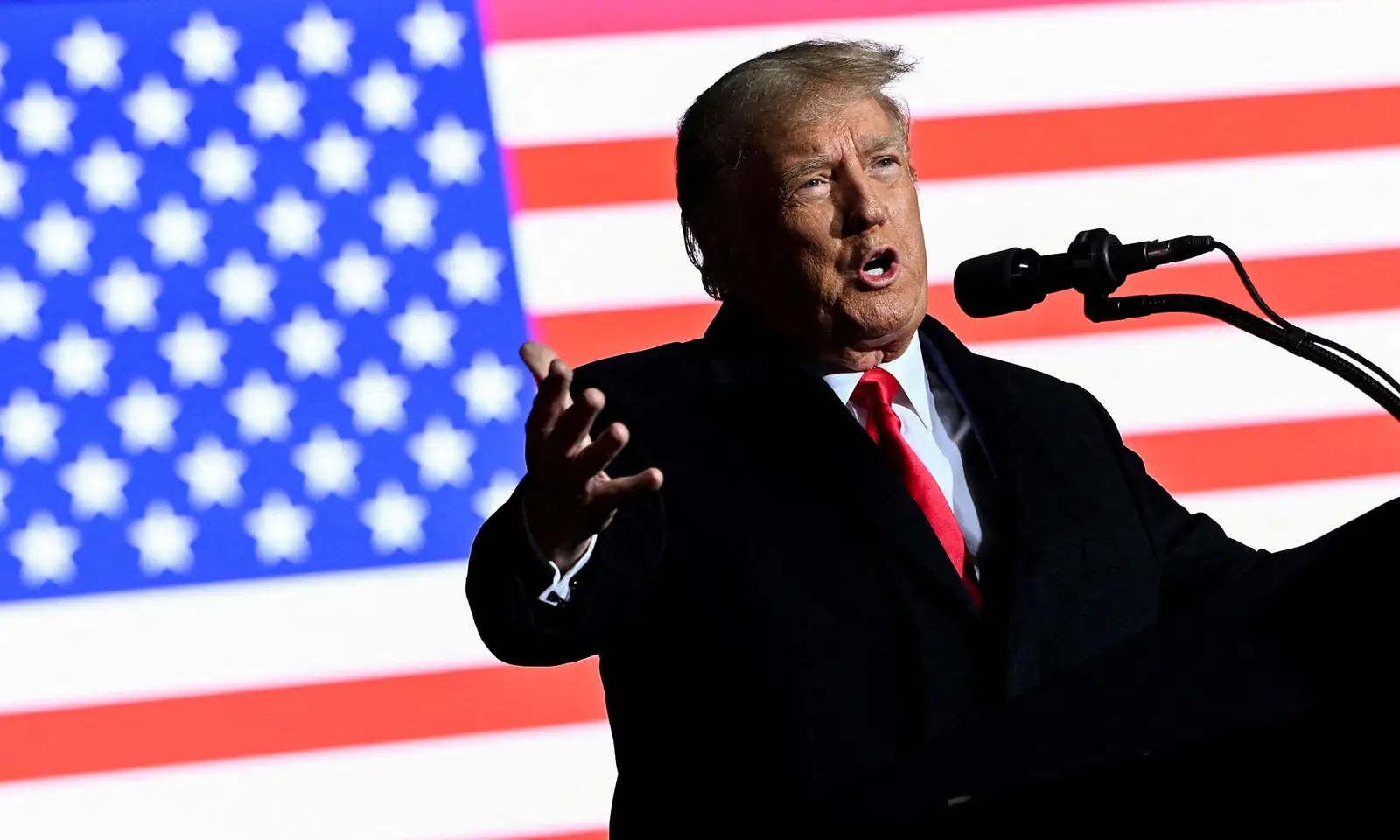
As Phil notes in regard to the disaster of Trump-promoted candidates on Tuesday and Donald Trump’s ill-considered rants against Ron DeSantis and Glenn Youngkin, the reality of Republican politics remains the same as it has been since 2015: Trump will lose his predominant influence within the party when, and only when, a sufficient number of the party’s voters decide they’ve had enough of him and move on to a new leader. His fate, and his power, will continue to rest primarily in the hands of voters. It cannot be controlled by party leaders and unofficial party elites and whatever remains of the pre-2015 party establishment — i.e., prominent elected officials, major donors, conservative-media and think-tank figures, people in the professional campaign business, etc. That is all the more true given how many of those slots have been filled since 2015 by Trump loyalists.
Since the rise of Trump, there have been two great delusions held by both Never Trump Republicans and critics outside the party about the role of party leaders and elites. One is the idea that those forces could band together and persuade the party’s voters away from Trump, if only they would stand up and make a public show of disdaining Trump and having nothing to do with him. The most important reason why Trump attracted support within the party in the first place was that its voters had lost trust in the entire class of party leadership. As Andy McCarthy has noted, the necessary, corresponding loss of faith in Trump — at least enough for voters to be willing to retire him and pick a new top dog — was never going to be a quick process and wasn’t going to be accomplished by the whole party following the Liz Cheney route.

Comments
On “Republican Leaders Owe the Party’s Voters a Single, Clear Alternative to Trump”