
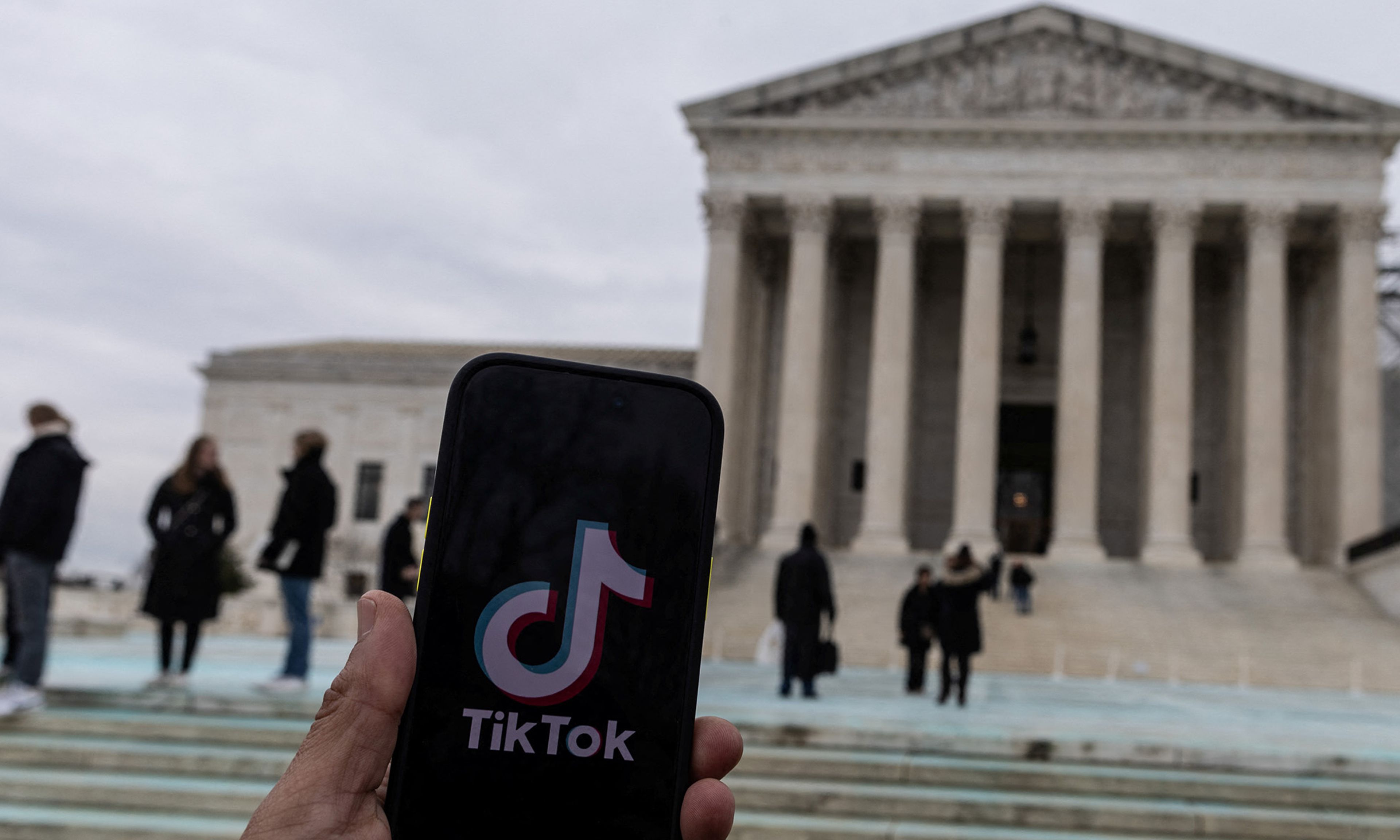
To grasp the significance of TikTok v. Garland, in which the Supreme Court today unanimously upheld the statute requiring the China-controlled owners of the social-media platform to divest, it is best to start at the end. I mean the very end: the last two sentences of the final opinion (out of three) in the case, Justice Neil Gorsuch’s concurrence:
The law at issue addresses, first and foremost, a massive espionage operation against Americans by the Chinese Communist regime. For purposes of the Court’s proper role in American governance, then, the case is about whether the political branches of the federal government, which – unlike the Court – are constitutionally responsible for national security and accountable to the voters whose lives are at stake, have the authority to defend against the predations of a hostile foreign power.





Comments