
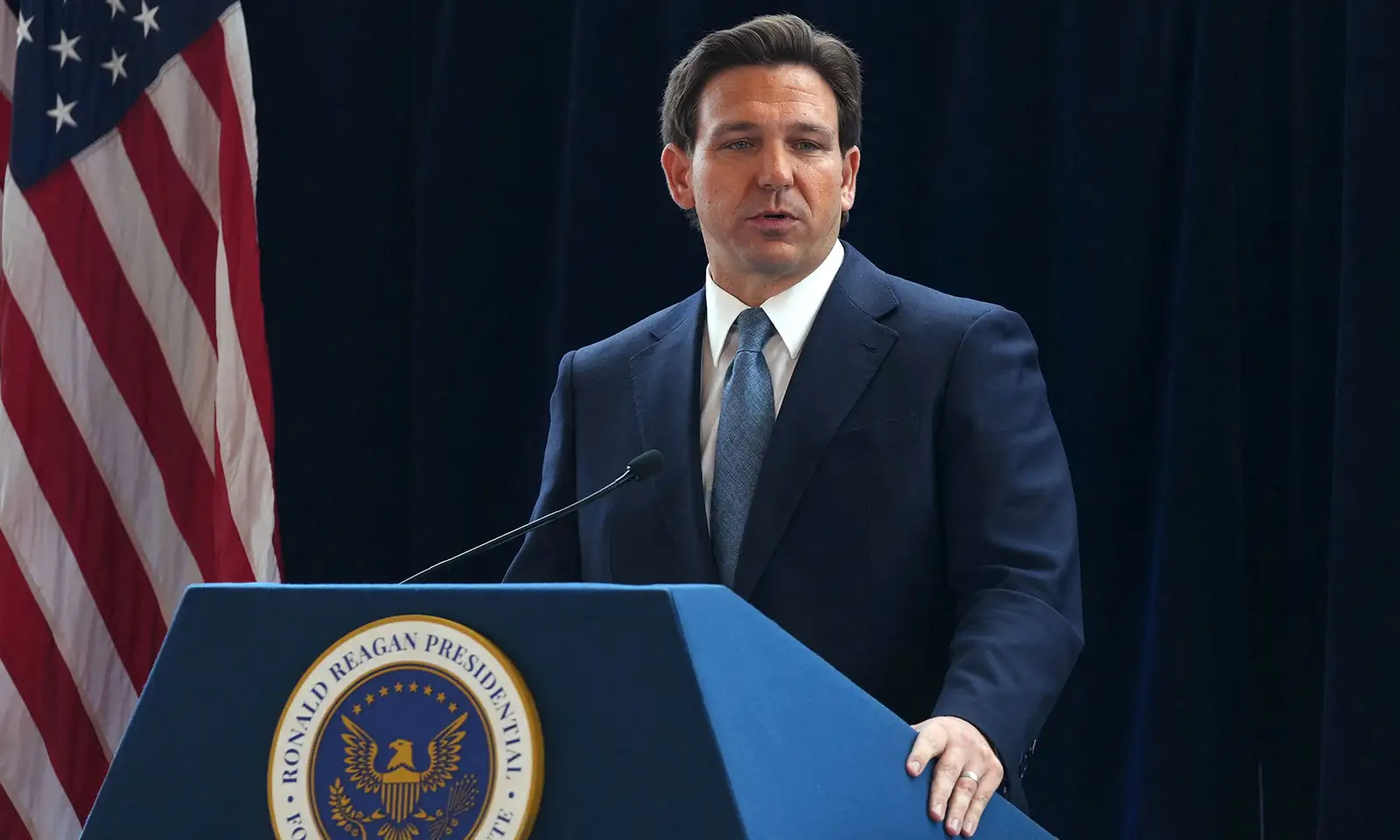
Last Monday, the Florida Senate passed the Heartbeat Protection Act, a ban on abortions after six weeks, “with exceptions for women who are victims of rape, incest and human trafficking, or whose baby has a devastating diagnosis of a fatal fetal abnormality.” It bans the abortion pill, requiring “that any abortion must be performed in-person by a medical doctor or osteopathic physician.” And it couples this with “additional counseling or mentoring services as well as providing nonmedical material assistance to families such as car seats, cribs, clothing, formula, and diapers” via “$30 million of new funding for pregnant women and families included in the bill.” Florida governor Ron DeSantis has pledged to sign the bill into law.
It’s a good bill, bringing real progress to an increasingly red state that previously moved cautiously on abortion, but preserving exceptions that may be unprincipled but are essential to pass the eyeball test with the public. Its practical effect will depend upon the Florida Supreme Court’s impending decision to reconsider past decisions indicating that the state constitution protects abortion. But with multiple other states having already passed heartbeat bills, the national buzz around the bill will be less about Florida than about DeSantis signing it as he nears the launch of his expected presidential campaign.




Comments
On “Ron DeSantis and the Negative Partisanship of Abortion”