
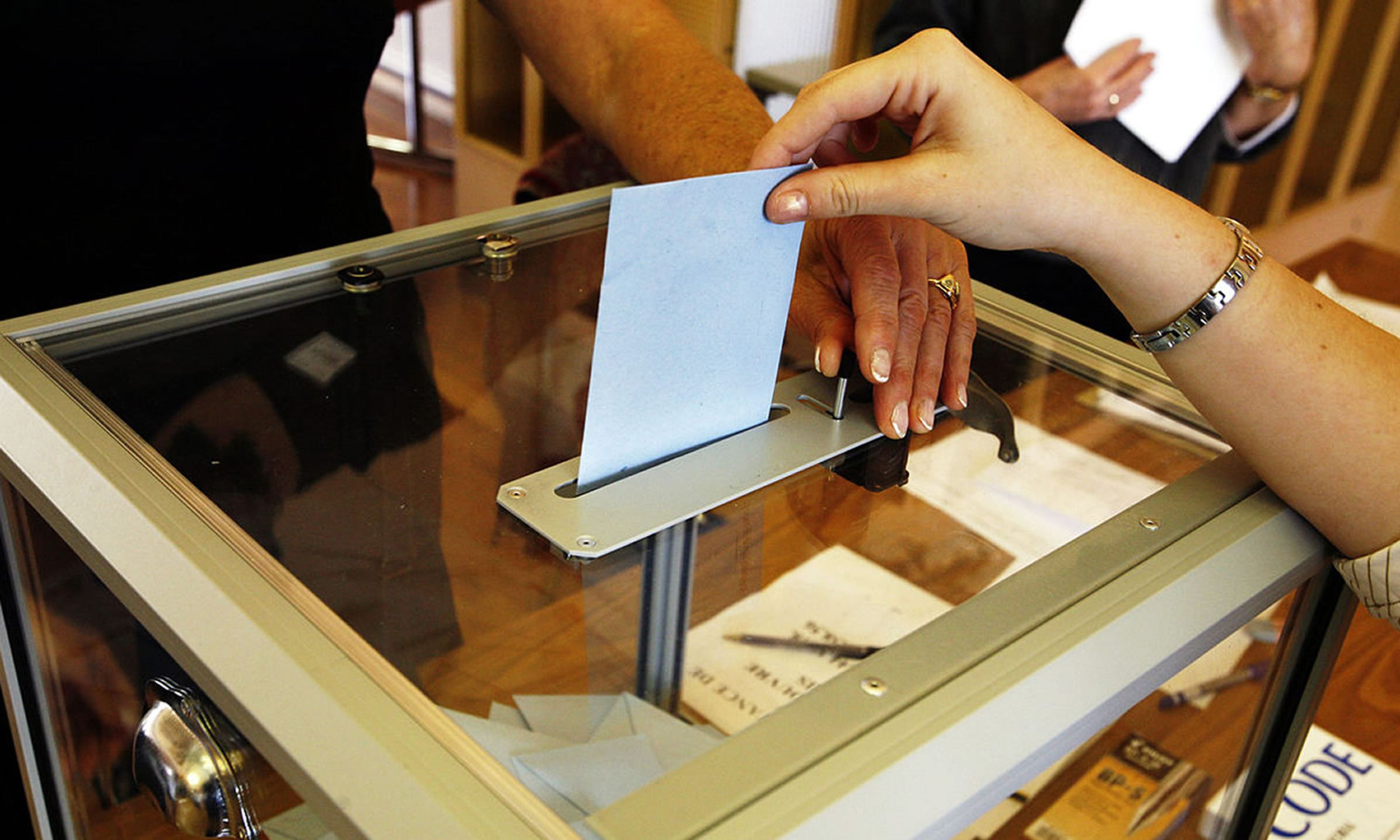
In Miami, there is a fascinating race — a race for the U.S. House. The Democratic nominee is Donna Shalala, the famous Clintonista. The Republican nominee is Maria Elvira Salazar, a longtime TV journalist, working for Telemundo, Univision, etc. There is a third candidate, a wild card, running an independent campaign: She is Mayra Joli, a beauty queen, who left the Democratic party in 2016 and went all-out #MAGA.
I’ve written a piece about the Miami race, here. The race is pretty much as colorful as the city itself.
Hillary Clinton beat Donald Trump by 20 points in this district. At the same time, the incumbent House member, Ileana Ros-Lehtinen, was winning too. She is a Republican, and she won a full quarter of those Hillary voters. Ros-Lehtinen is retiring at the end of this term. Anyway, I mention all this in my piece.
Here on the Corner, I’d like to reflect on our political system — a “presidential system,” as opposed to a parliamentary one. There are arguments in favor of a parliamentary system. Sometimes I am warm to them. But I like our presidential system, and not just because I’m used to it (I think).
Consider Britain. If you’re a voter there, you don’t vote for Theresa May or Jeremy Corbyn. I mean, you don’t vote for them to be prime minister — not directly, you don’t. Theresa May is the member of Parliament for Maidenhead; Corbyn is the MP for Islington North. If you live in Maidenhead, you can vote for May, or against. And if in Islington North . . .
It so happens that May and Corbyn are the leaders of the Conservative and Labour parties, chosen by those parties for those roles. What if you want a Labour MP and a Conservative PM? Or a Conservative MP and a Labour PM? You’re SOL (as long as we’re using initials).
In my long, sorry, mainly losing history of voting, I don’t think I have ever split my ticket. But I kind of like that I can.




Comments