
The Supreme Court starts work on its October 2023 term on Tuesday with the “long conference,” in which the justices will consider the backlog of petitions for certiorari that have been piling up during the summer recess. The Court has yet to fill its docket, and there are a bunch of compelling cases to consider. I’m doubtful that they’ll take up the first challenge to Donald Trump’s eligibility for office, but there are several free-speech, Fourth Amendment, and death-penalty petitions, and another challenge to the Employment Division v. Smith standard for religious liberty. Perhaps the hottest petitions arise from the Texas and Florida laws regulating social-media content moderation, which produced conflicting decisions from the Fifth and Eleventh Circuits and a recommendation from the solicitor general that the Court take the case.
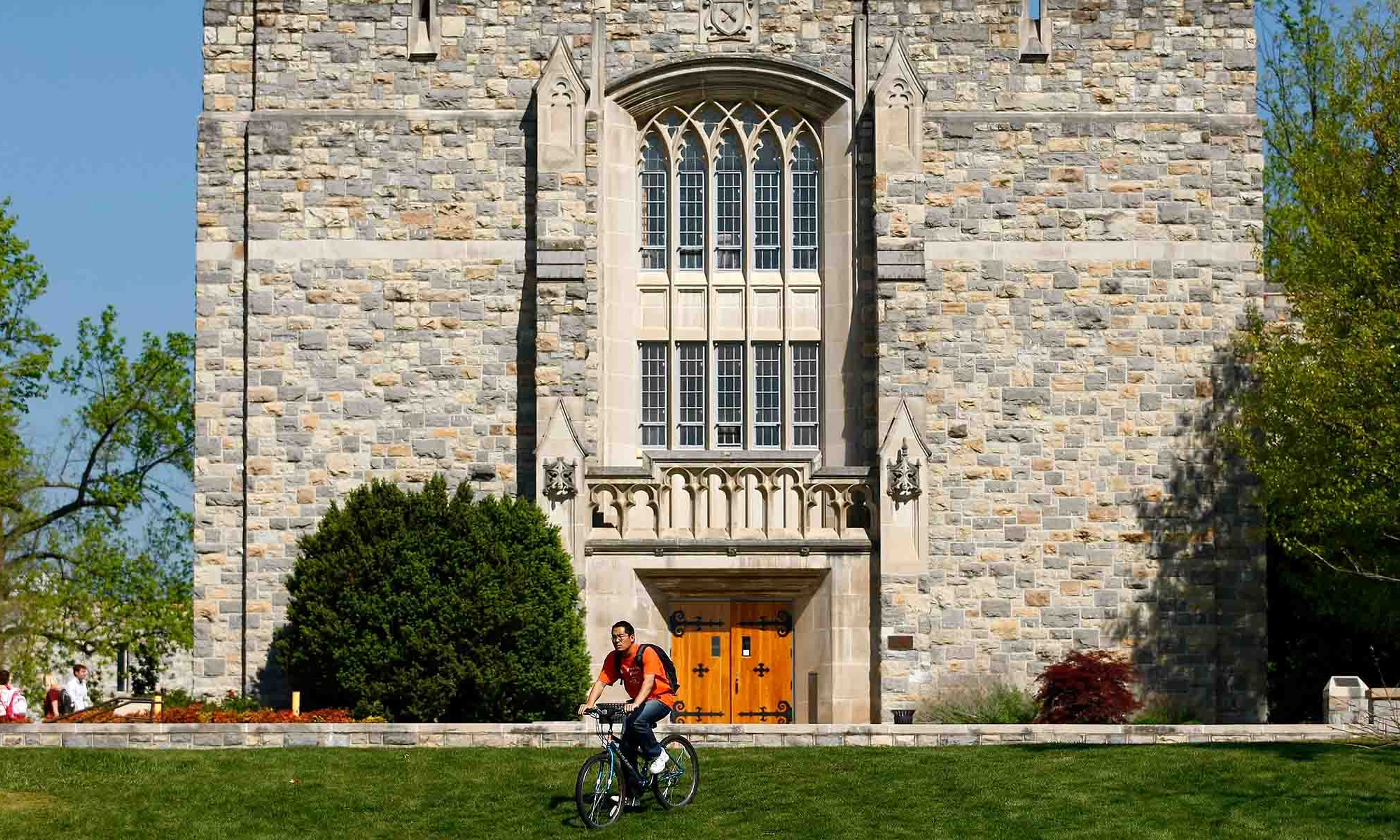
One case that isn’t quite ready to be considered Tuesday, but could intrigue the justices, is Speech First, Inc. v. Sands (No. 23-156), which challenges campus speech codes. The case comes from a divided panel decision of the Fourth Circuit, which rejected challenges to two Virginia Tech campus speech policies. The policies were upheld in an opinion by Senior Judge Diana Gribbon Motz, a Clinton appointee, joined by Chief Judge Albert Diaz, an Obama appointee, over a strong dissent by Judge J. Harvie Wilkinson III, a Reagan appointee long known as a leading voice on the bench on free-speech issues. The decision openly conflicts with rulings from the Fifth, Sixth, and Eleventh Circuits, while siding with a similar decision in the Seventh Circuit — all of which were brought by Speech First, a membership organization for college students challenging campus speech policies nationwide. A battery of amicus briefs were filed in mid-September asking the Court to take the case; the university’s response is due October 18.



Comments