
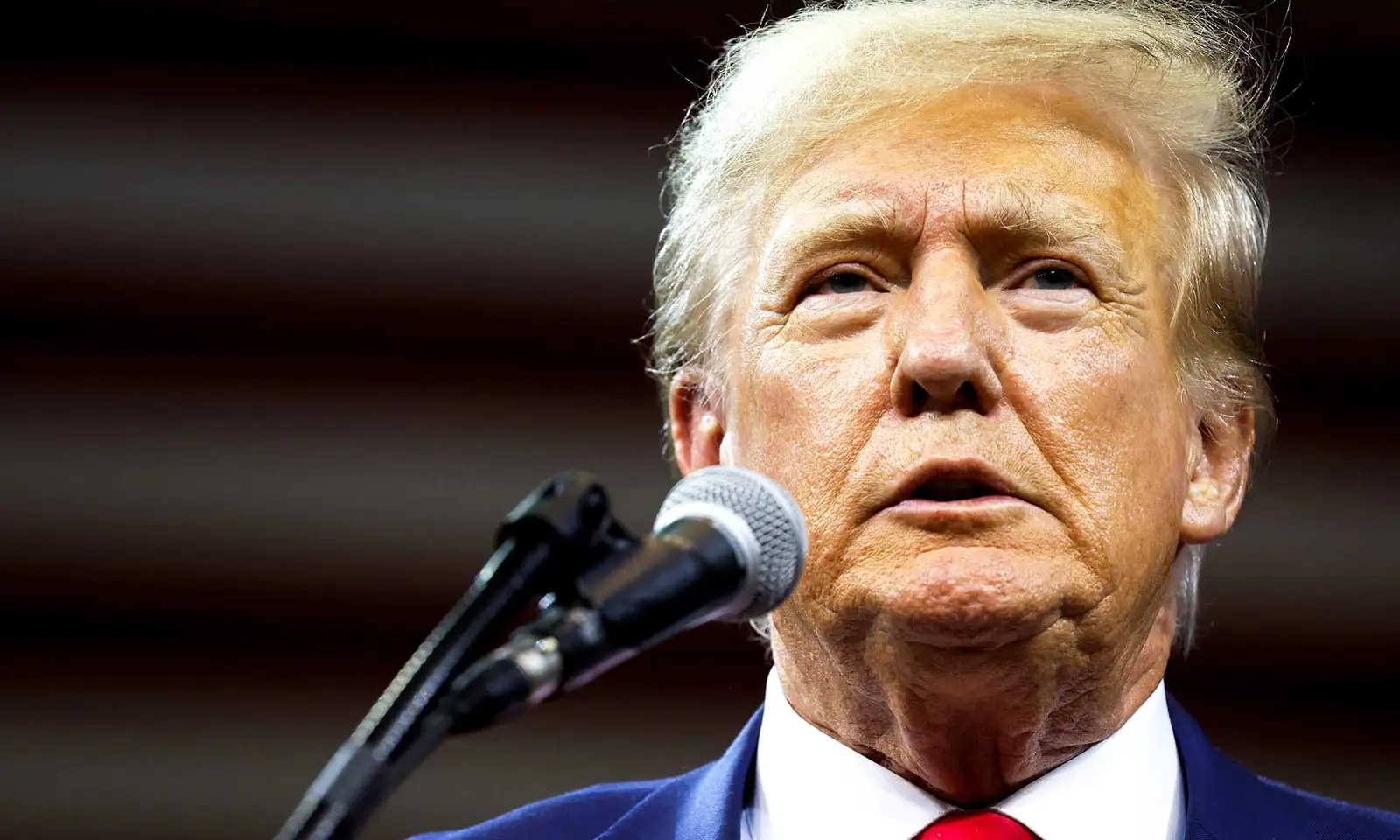
The theory that Donald Trump is disqualified from being president again under Section 3 of the 14th Amendment is not going away. Section 3 disqualifies anyone from “hold[ing] any office, civil or military, under the United States, or under any state” if they “have engaged in insurrection or rebellion against” the United States, “or given aid or comfort to the enemies thereof” after previously swearing an oath “to support the Constitution of the United States.” As I have written at length (see here and here), if Section 3 is read as it was understood and applied at the time of its 1868 ratification, Trump is not disqualified over his role in the events of January 6, mainly for two reasons:
That being said, the legal question isn’t actually settled until it has been contested — and the only authorities in the country with the power to settle it on a nationwide basis are the Supreme Court or Congress. And unless it were to pass a statute removing any disability (an extraordinarily unlikely event requiring a two-thirds majority, but one with precedent in the Amnesty Act of 1872), Congress only gets to be heard on this after a full national election has been conducted and it is counting electoral votes to decide whether to disqualify the only real opponent to the sitting president. Recent experience should make it obvious why we do not want that decision made under those circumstances.




Comments
On “The Supreme Court Will Need to Settle Trump’s Qualification. It Should Do So as Soon as Possible”