
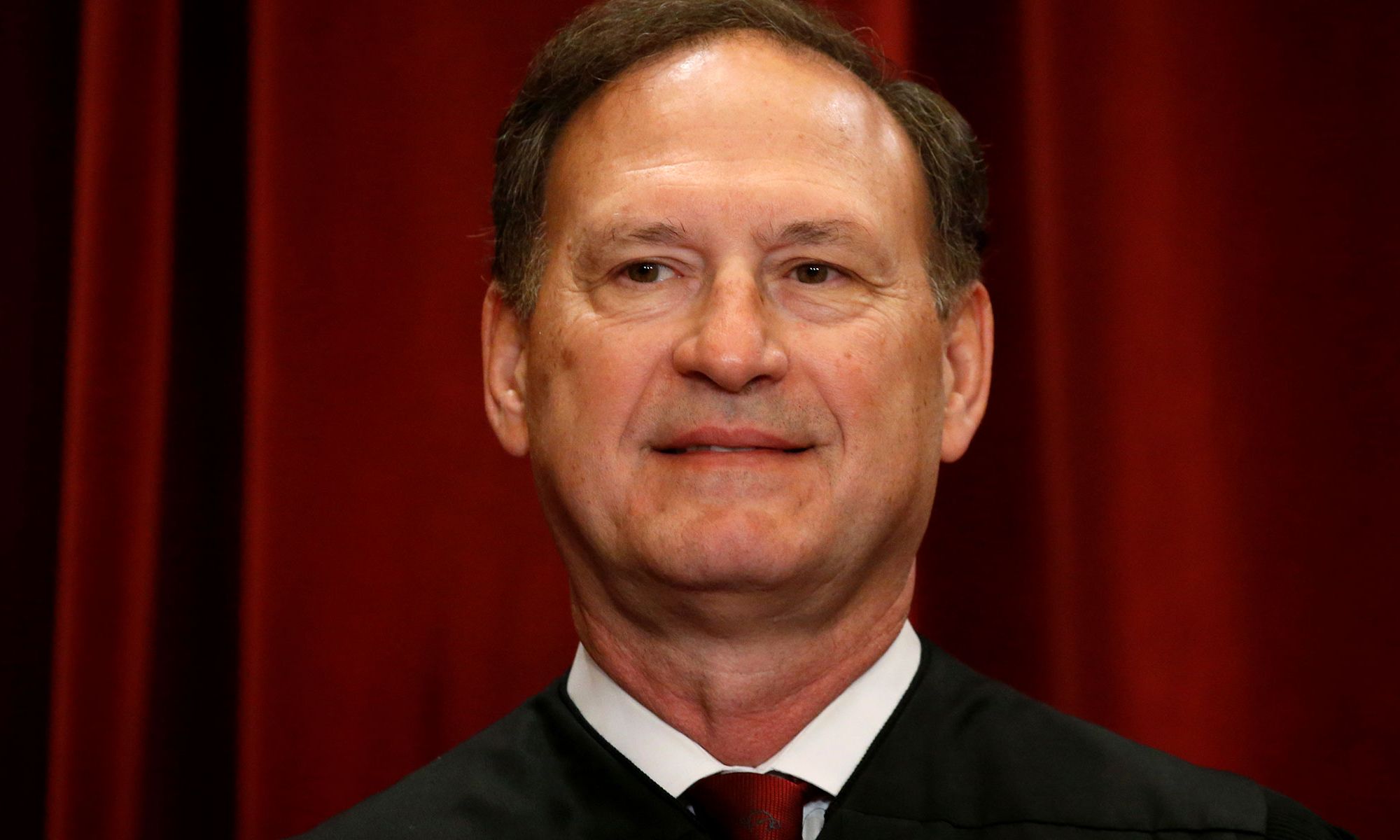
Last week, Jodi Kantor of the New York Times made a late bid to attack Justice Samuel Alito’s participation in two January 6-related cases (including the presidential immunity case) by suggesting that Alito had flown an upside-down flag at his home in mid January 2021 as a symbol of the “stop the steal” movement while he was considering cases challenging the 2020 election. I previously discussed two glaring problems with the story. First, there’s no evidence of Alito being involved in the flying of the flag: He says it was his wife who put it up briefly as part of a dispute with abusive neighbors, nobody contradicts this, and accounts from the neighbors confirm that it was Mrs. Alito who was embroiled in that dispute. Second, the “while considering” part was just false: Alito had tried before the election to avoid post-election controversies; he had already rejected any effort by that point to have the Court stop or even slow down the certification of Joe Biden’s victory; Trump had abandoned his legal challenges by the time of the flag dispute; and in the remaining case that Kantor references, Alito went out of his way to note that it would not affect the outcome of the presidential election.
So, the connective tissue between the “stop the steal” symbol and Alito’s judicial role was missing in two separate directions. But was there a “stop the steal” symbol at all? I confess that this was the first time I had ever even heard of an upside-down flag being used as a symbol specific to the “stop the steal” movement. Jeff Blehar had the same reaction:





Comments