
The New York Times makes it sound like a conspiracy is afoot.
According to its reporting, Trump administration veterans have been “plotting” “behind the scenes” to “obliterate federal climate efforts.” Some of those figures are now well-known movers and shakers inside the halls of power. Others are less famous than they deserve to be. They are servants to “global warming denialist” initiatives and politicians. They’re out “to chip away at the scientific consensus that the planet is warming.” And they’re succeeding.
“We are pretty close to total victory,” said one Trump administration veteran. The brass ring that is within the Trump administration’s reach would be to dispense with the so-called Endangerment Finding — a landmark 2009 legal finding that has served as the basis for the federal government’s regulation of carbon dioxide as a heat-trapping emission. It’s not clear, though, why the Times presents its report as though it has uncovered a surreptitious intrigue. The Trump administration has been at this for a year now.
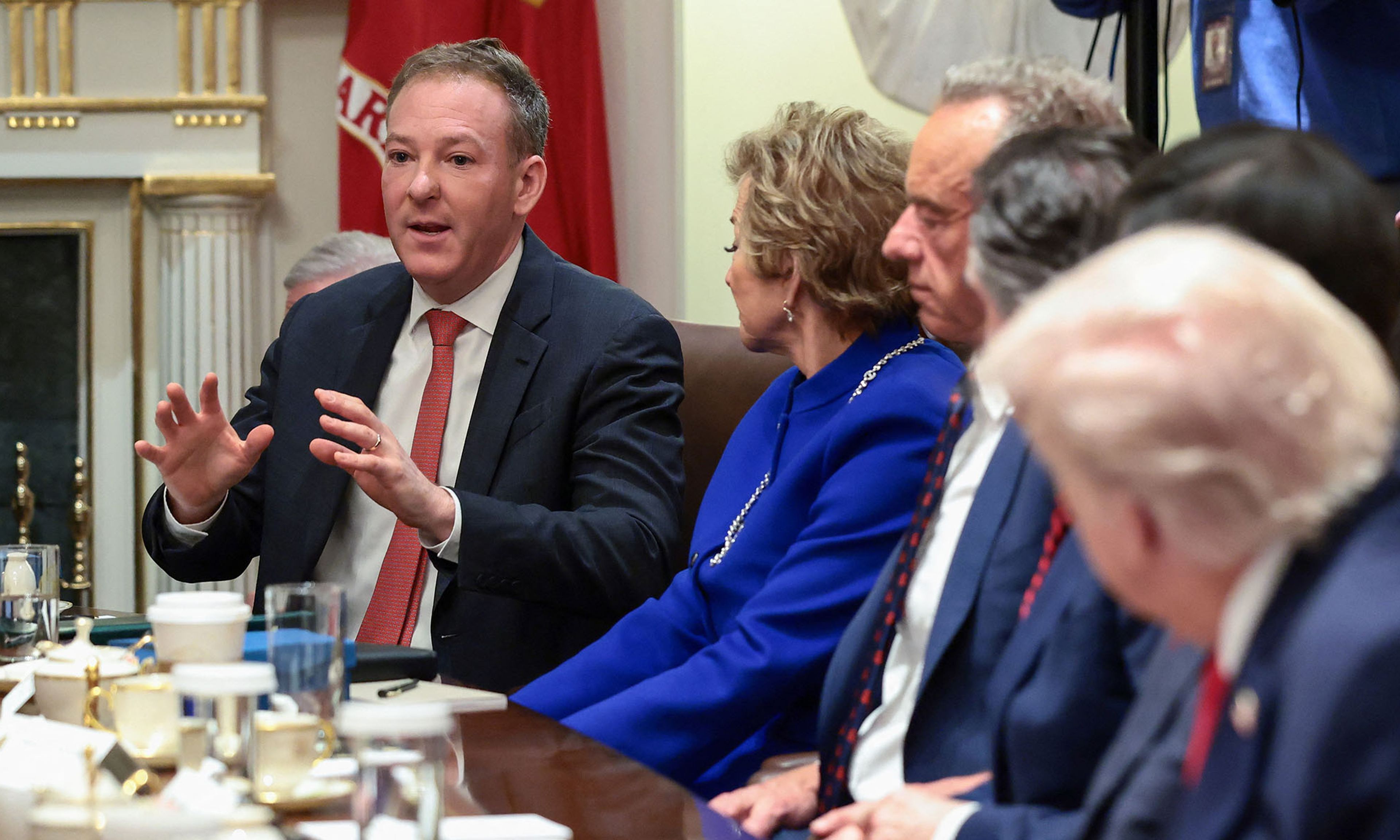
It was back in March of last year that EPA Administrator Lee Zeldin began promoting his plan to do away with this Obama-era regulatory framework. He did so in his public statements, in social media posts, and in guest op-eds in outlets like the Wall Street Journal.
The option is available to Zeldin only because a series of Supreme Court decisions in the intervening decades eroded the legal rationale for the Court’s 2007 decision in Massachusetts v. EPA, which found that the EPA was compelled to regulate “greenhouse gases” per its obligations in the Clean Air Act and that states could sue the EPA for damages if it did not.
As I wrote almost one year ago:
In 2007, the liberal majority on that Court rejected the notion that the United States should not aggressively regulate greenhouse gas emissions because other nations were more aggressive contributors to this global problem, and hamstringing ourselves would do little to address the issue. In addition, the justices determined that the Clean Air Act was designed to be as “capacious” as possible so it would cover whatever environmental cause célèbre came down the pike. It was a classic attempt to impose not just public policy but ideology on the country from the Supreme Court bench.
The endangerment finding was just one misbegotten progeny of this decision, and Zeldin is amply justified in chipping away at its legacy.
If the EPA is as lax as it promises to be, the New York Times foresees an imminent dystopian hellscape in which the living will envy the dead. For his part, Zeldin anticipates that relaxing this rule will result in a marginal decrease in the cost of daily living and a significant decrease in the cost of large purchases such as cars, homes, and major appliances. Hopefully, we will soon learn who is correct.





Comments