
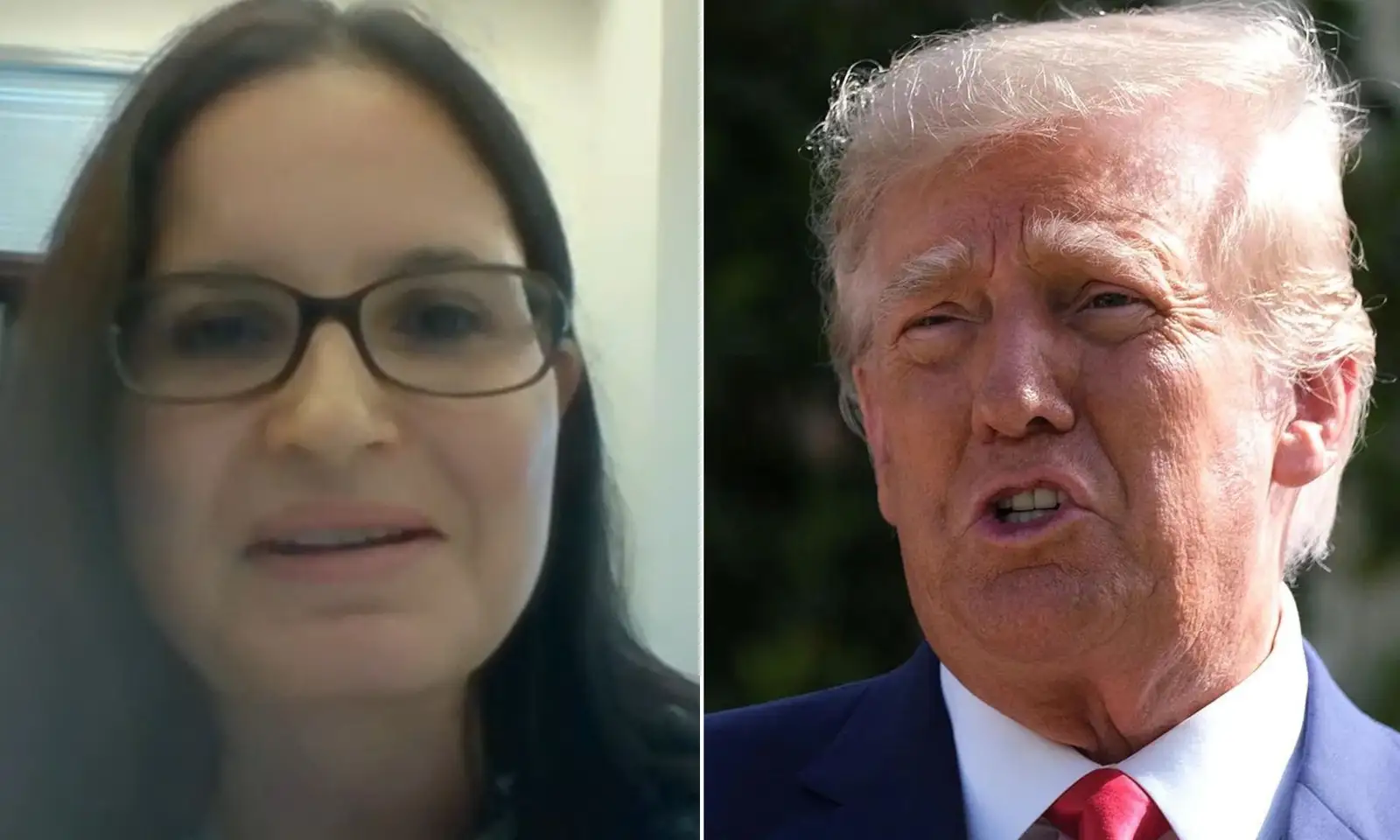
Donald Trump is surely happy, as Jim Geraghty notes, to have drawn Judge Aileen Cannon to oversee the Mar-a-Lago boxes case. Judge Cannon was appointed to the bench by Trump, and she previously ruled in his favor in a dispute over the boxes of documents seized by the FBI when it searched Mar-a-Lago last summer. Trump wins so few cases in court that he must be glad to have a judge who is at least willing to give his arguments a hearing.
Andy McCarthy delved into Judge Cannon’s rulings at the time, and their subsequent reversal by the Eleventh Circuit, in a series of posts including here, here, here, here, and here. The short summary: Trump filed a civil petition before Judge Cannon on the theory that some of the documents seized by the FBI were (1) covered by executive privilege and/or (2) Trump’s personal property. The Justice Department argued that it was reviewing the documents to remove from its investigation anything that was attorney–client privileged, but it also argued that executive privilege didn’t apply because Trump was no longer the president, and that government records weren’t Trump’s personal property. Judge Cannon agreed with Trump that executive privilege could apply to a former president — an arguable but aggressive position — and appointed a retired federal judge to serve as “special master” to review and remove from the purview of the FBI any documents that were privileged. There were some other legal issues in the case, and Cannon engaged in a certain amount of micromanagement of the special master. Andy aptly described her rulings as “extraordinarily favorable to Trump,” and the Eleventh Circuit agreed, ultimately concluding that Judge Cannon had no jurisdiction to appoint a special master. On the whole, the proceeding did not go well for her reputation.



Comments
On “The Questionable Case for Judge Cannon’s Recusal”