
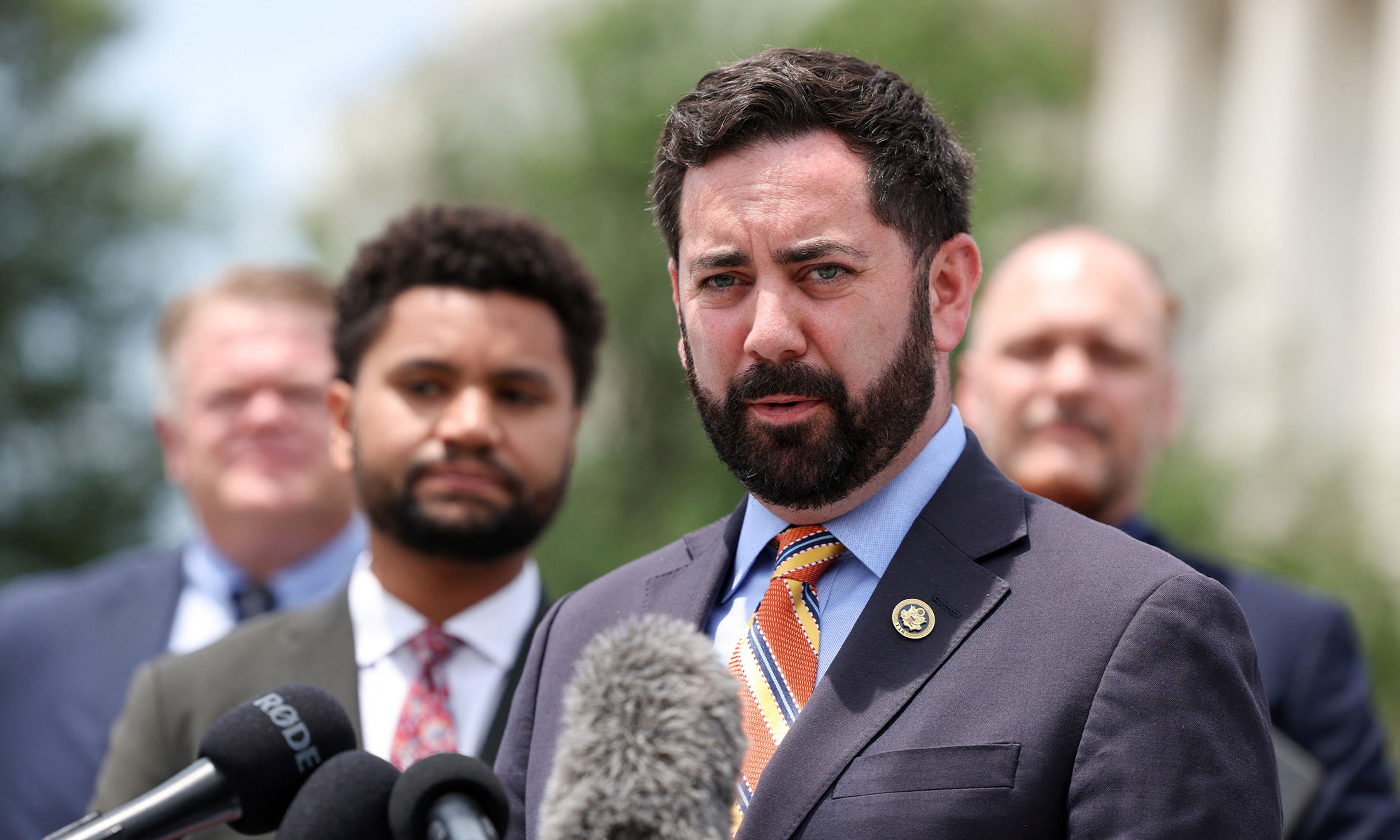
Jonathan Martin lets Representative Mike Lawler (R., N.Y.) vent in Politico about his colleagues’ failure to give moderate Republicans in coastal districts as expansive a tax deduction as he thinks appropriate for state and local taxes. His more rural and conservative colleagues don’t understand districts like his, he says, and don’t appreciate that their majority in the House depends on such districts. Expanding the deduction is “a central concern for their districts,” Martin writes, and their representatives have been given “little to take back to their districts.”
I don’t doubt that Lawler and Martin are offering accurate political analysis: The deduction is a big issue for these lawmakers, and the divide among Republicans they’re talking about — which involves geography, culture, income, and schooling — is real. But let’s also have some perspective on how these districts and congressmen are being treated.
Before 2017, there was no limit on how much a taxpayer could deduct in state and local taxes. That year’s Republican-enacted tax reform capped it at $10,000, which is well above what most taxpayers have to deduct anyway. The cap raised taxes on high earners in high-tax jurisdictions. But even many of those taxpayers saw a net tax cut because they benefited from other provisions of the reform — such as lower tax rates, a larger child credit, and the end of the alternative minimum tax.
Under the Republicans’ current bill, the taxpayers get the post-2017 benefits: the lower rates, the bigger child credit, no AMT. But they also get an expansion of the deduction, because the cap rises to $30,000.
That’s the deal — better than the post-2017 system for most taxpayers in their districts, and much better than the pre-2017 system — that has these congressmen bitterly complaining.






Comments