
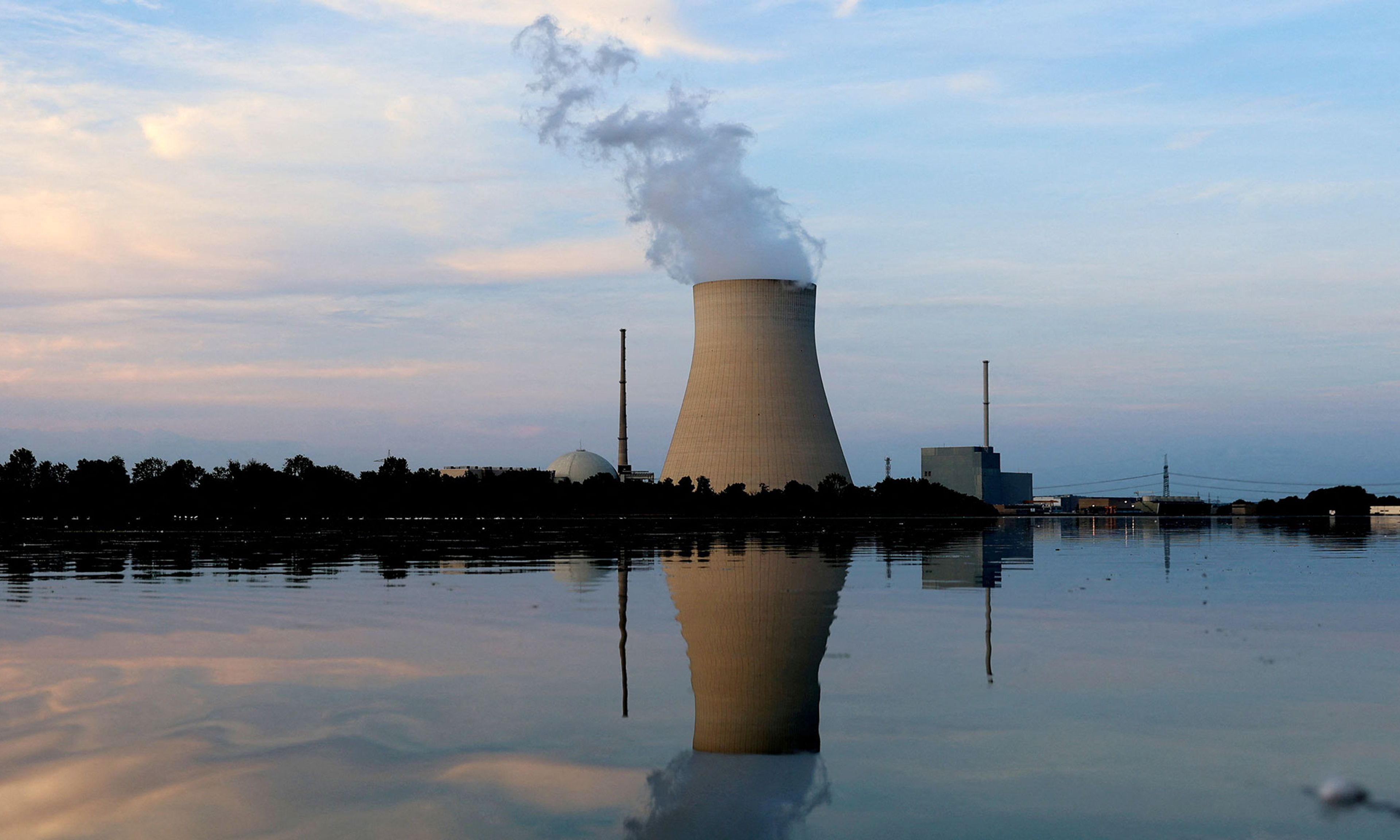
Eric Scott Dawson writes about a weak argument against nuclear power:
The takeaway here is that the perfect is the enemy of the good. The reason that France expanded its nuclear power so dramatically was not to decarbonize but instead to decrease its energy dependence on OPEC in the wake of the energy crisis of the 1970s. Given that France achieved both of these ends by expanding nuclear energy, it makes no sense to insist on a precarious, renewables-only grid that has been achieved in the developed world only by a couple of low-population countries naturally blessed with uncommonly great hydropower potential (Iceland and Norway). We must not miss the forest for the trees by accepting irrational policies that are all but certain to harm the people purported to be helped by them.
Andrew Follett writes about a new climate agreement the Biden administration is entering into:
At the COP27 climate summit in Egypt earlier this month, American diplomats appointed by President Biden agreed to pay poor countries for supposed damage caused by America’s emitting carbon dioxide.
This represents a major reversal in U.S. climate policy. Similar agreements had previously been blocked by both the Obama and Trump administrations, and for good reason: The “loss and damage” fund is both incredibly expensive and could be used to create a legal liability for greenhouse-gas emissions.
In short, it is a total shakedown. A major beneficiary of the deal is China, despite the fact that it has much higher emissions than the United States.
David McGarry writes about why Twitter isn’t a monopoly:
Conservative advocates of heavy-handed social-media regulations that violate property rights and the First Amendment should reverse course. It’s disappointing to see so many right-wingers advocating the use of state power to control (and sometimes simply punish) social media.
The pro-regulation Right should eschew the traditionally leftist assumption that popularity implies monopoly. They should stop arguing in a way that suggests that today’s social-media giants will never lose their market shares, an assumption that ignores basic economics. Incumbents, even purported monopolists, tend to lack staying power. Indeed, in any facet of life — business, politics, art, sports, etc. — perpetual performance in the top percentiles is close to impossible.
And David Bahnsen talks to Samuel Gregg on the latest episode of the Capital Record about Gregg’s new (excellent) book, The Next American Economy. Listen here, or wherever you get your podcasts.






Comments