Richard Morrison of the Competitive Enterprise Institute writes about the SEC’s new climate-change rules:
The SEC has always required firms to disclose financially material information about their structure, operations, and plans for the future. Something doesn’t — and shouldn’t have to — fall into a topic-specific bucket such as climate to be worthy of such attention. The SEC has traditionally used a “principles-based” approach to materiality, under which a company’s management draws attention to the risks and opportunities that it considers most important to that particular company. This allows for, as the SEC’s Walter Hinman described in a 2019 speech, a disclosure regime that “keeps pace with emerging issues . . . without the need for the Commission to continuously add to or update the underlying disclosure rules as new issues arise.” The new proposals foolishly go in the opposite direction. . . .
Ryan Ellis of the Center for a Free Economy writes about Congress’s ineffective efforts to tame inflation:
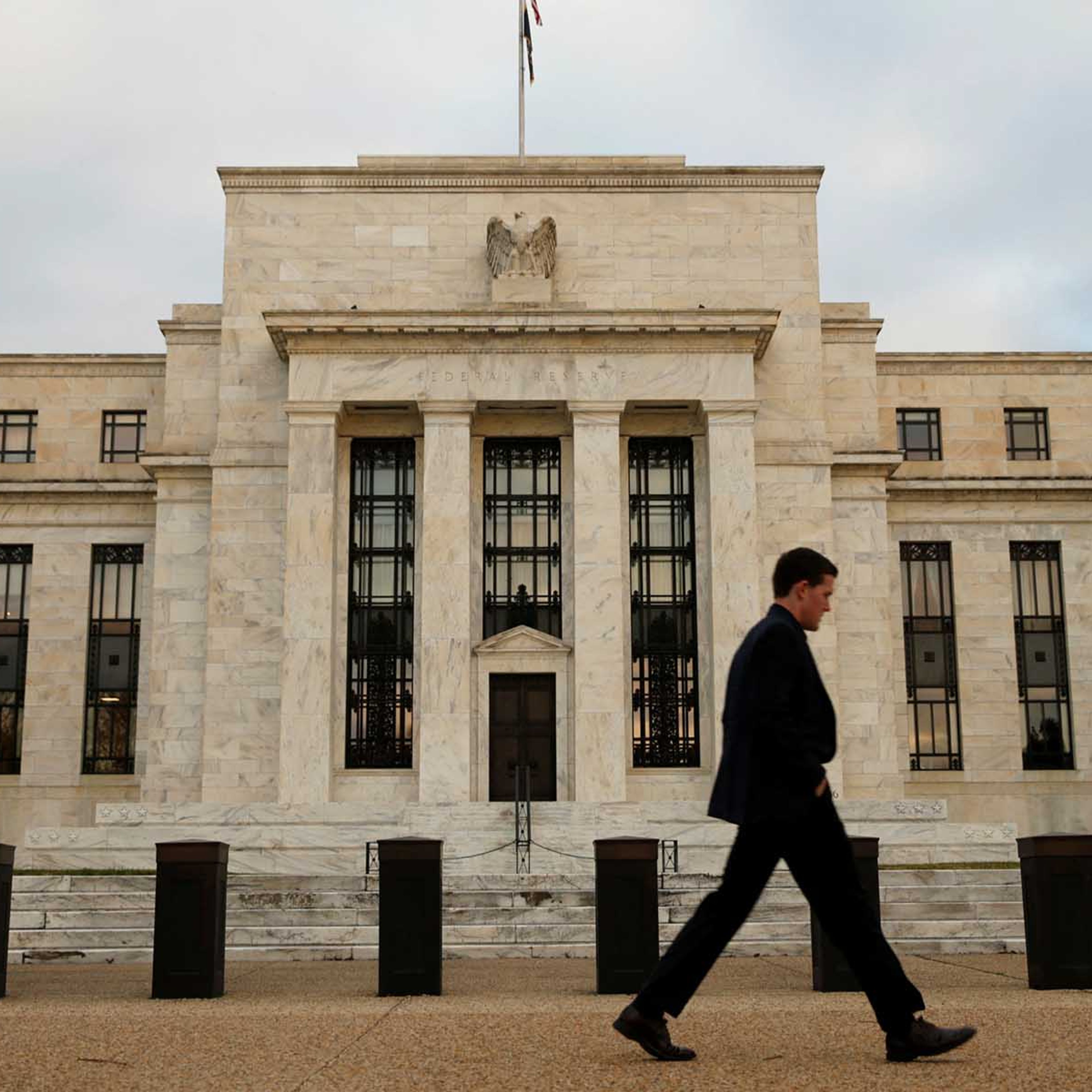
At the start of the Covid-19 pandemic, the Federal Reserve understandably drove interest rates to zero to keep the financial system liquid with cash. Meanwhile, Congress flooded voters with government money. Households got multiple rounds of relief checks. Smaller employers got Paycheck Protection Program grants and conventional Small Business Administration (SBA) loans. Federal student-loan payments were deferred. Federal benefits made unemployment more lucrative than work for many lower-skilled workers.
As emergency measures against a once-in-a-century pandemic, some or even all of those policies might have been appropriate. But by early 2021, it was clear that the economic emergency was over, and fiscal and monetary levers needed to be adjusted accordingly. That adjustment didn’t happen all year — indeed, the Fed only began to normalize interest rates this month — and inflation was the inevitable result, as too much cash chased too few goods and services.



Comments