
I walked out of a movie last night–a rather common occurrence–Bright Young Things, based on Vile Bodies, Evelyn Waugh’s second novel.
Years ago I was in a conservative dinner and discussion group called the Vile Body (Bruce Bawer was in it: that’s how long ago it was), which took its name from Waugh’s novel–one little sign of the esteem in which he was, and still is, held among conservatives. The Brideshead Revisited cult was another sign.
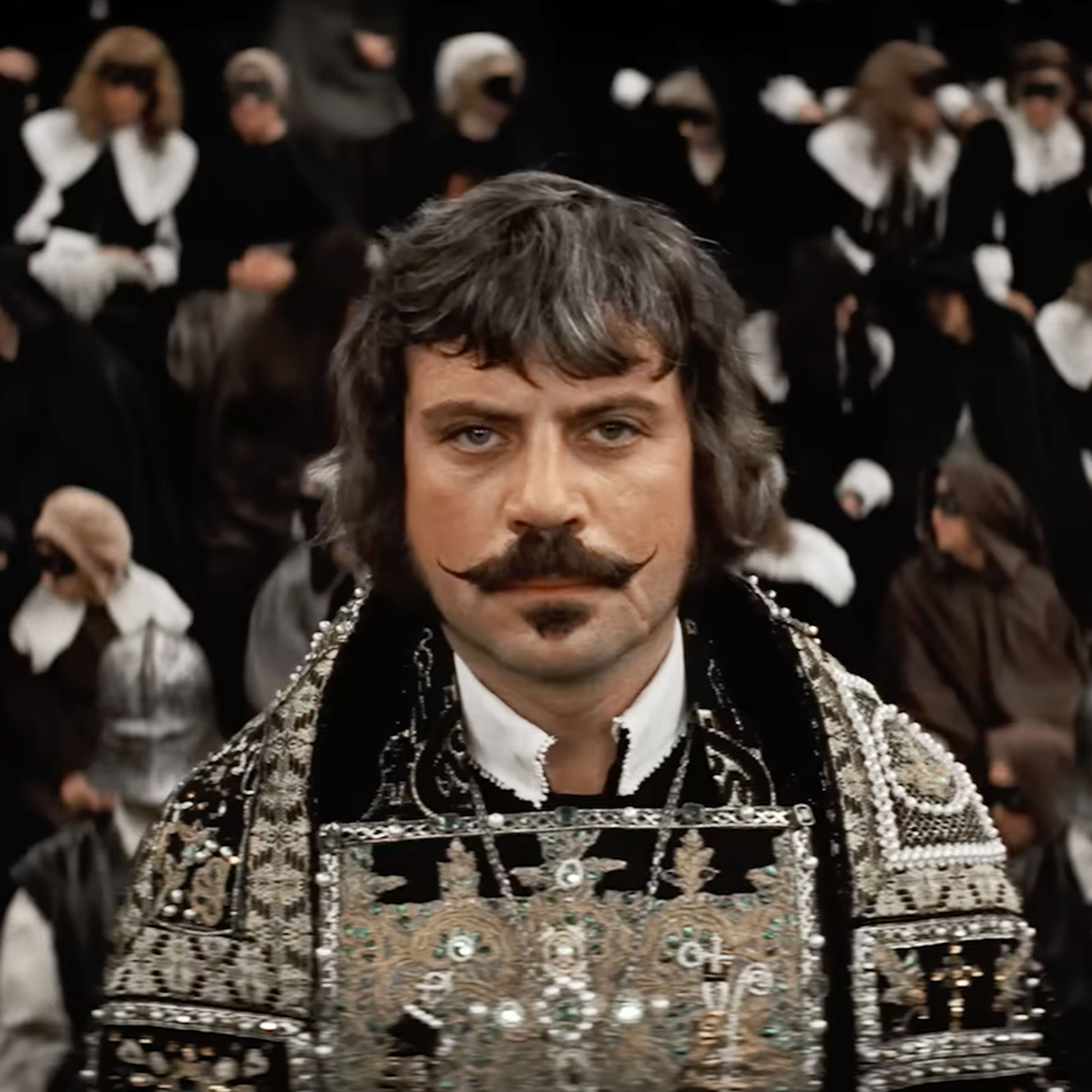
With a few exceptions–the lead actor, Peter O’Toole in a cameo–Bright Young Things is quite bad. Props and set design had too much money to play with, and it shows. The camera work intended to imitate 30s movie dissolves and cuts, and it’s pretentious and distracting. The tempo was a hair too slow, which is fatal–Waugh is all about speed. Some funny scenes were simply bungled. When a gossip columnist files a false story on a society party, he writes (in the movie) that it was an orgy. But no one would have been scandalized by that (or not much). In the novel, he said the guests confessed their sins to an American evangelist–that was shame-making. Etc., etc.
But then I went back to the book. It was never one of my favorites, and I saw yet again why. Waugh plays both sides of the street, shocking and titillating with the emptiness of it all, then pulling spurious long faces. In the book, Fr. Rothschild, an omniscient Jesuit, gives a speech about how the young people of 1930s England are searching for something in their emptiness. Give me a break. One character kills himself, another has a breakdown–how do we pity puppets? The bookends in an apocalyptic battle of a new world war–give me another break. People who like this kind of thing are the same people who think the Bostonians is a good Henry James novel. They prefer journalism to fiction, positions to life.
It was worse than I remembered, actually, which is sad. I first read Waugh at the end of my college years; he seemed the last thing in brightness and daring. I know there are rotten spots in Brideshead Revisited; I fear a re-read will disclose that they have grown with the years.
Scoop, on the other hand, is immortal, because Waugh had a low opinion of the press, which is never falsifiable.





Comments