
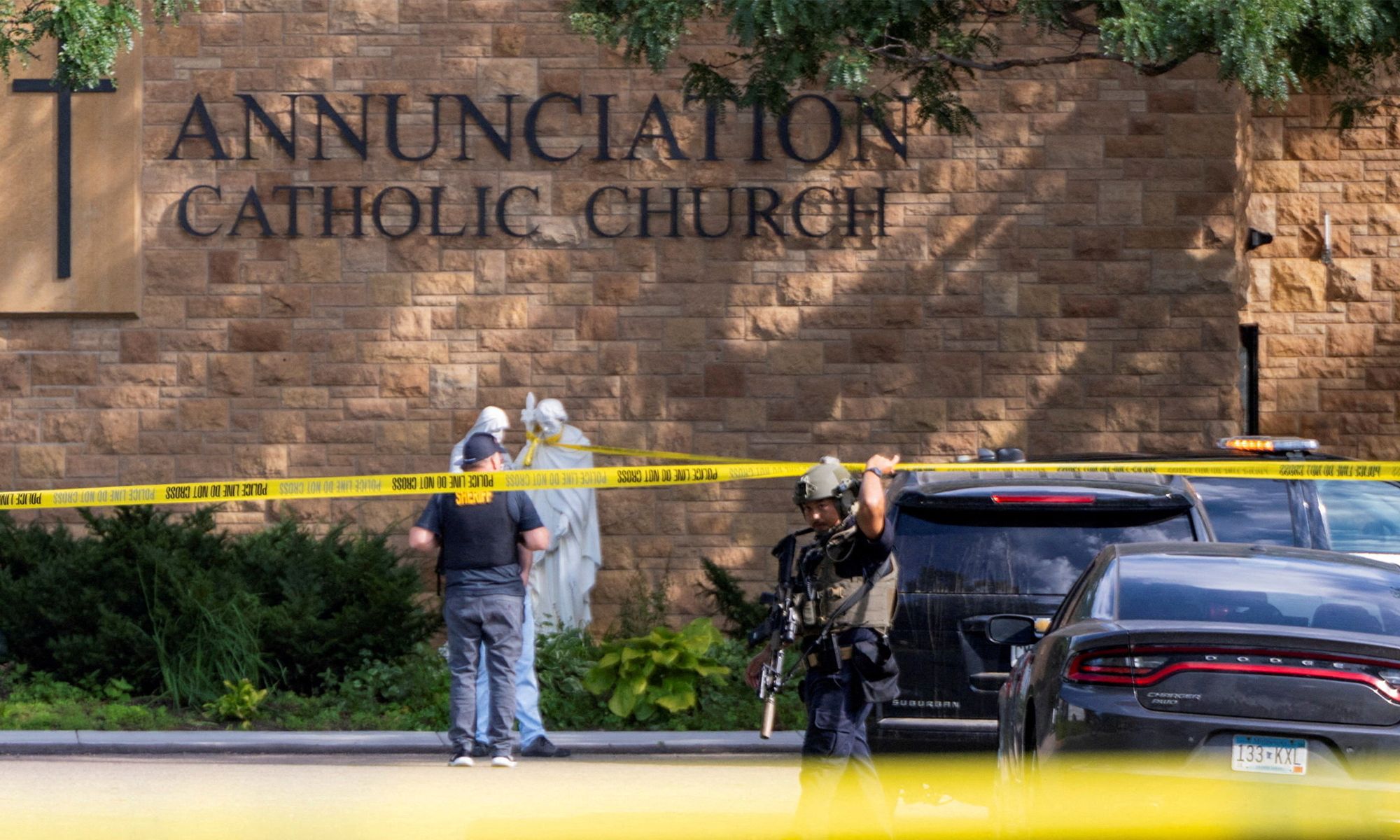
Mass shooters — school shooters, in particular — are often motivated by their desire to achieve notoriety in death. Social science supports this contention. Prevention-focused strategies predicated on this observation are available to law enforcement and institutional administrators. Indeed, it is such a non-controversial claim that journalistic best practice emerged at the end of the last decade in which media outlets were encouraged to, as much as practically possible, “avoid naming the gunmen in mass shootings.” Thus, in their more lucid moments, would-be killers and copycats might realize that they will be deprived of the posthumous fame they seek.
Dozens of legacy media outlets declared their fealty to this new convention. “They want to be famous,” one criminologist told the Associated Press. “So the key is to not give them that treatment.” NPR managing editor, Gerry Holmes, agreed. “We focus on the victims of any mass shooting,” he said, “and we don’t want to give any suspected shooter additional notoriety they may be seeking.” And some peer-reviewed research has begun to suggest that there is “a connection between the number of people killed in a mass shooting and the number of times the news media report the perpetrators’ name” — one observed by a reduction in the number of mass shootings commensurate with declining references to their perpetrators in media products.


Comments