
Earlier today, a bipartisan majority in the House of Representatives passed a bill that would force ByteDance, the parent company of social-media app TikTok, to sell the evil app to an American company or have it banned in the United States. This is a welcome step. As National Review’s editors explained yesterday, TikTok is a “national-security threat” because it is “spyware owned and controlled by the Chinese Communist Party (as all the nation’s technological products are), farming massive amounts of highly personal information from its users (down to mapping their keystrokes on other apps).”
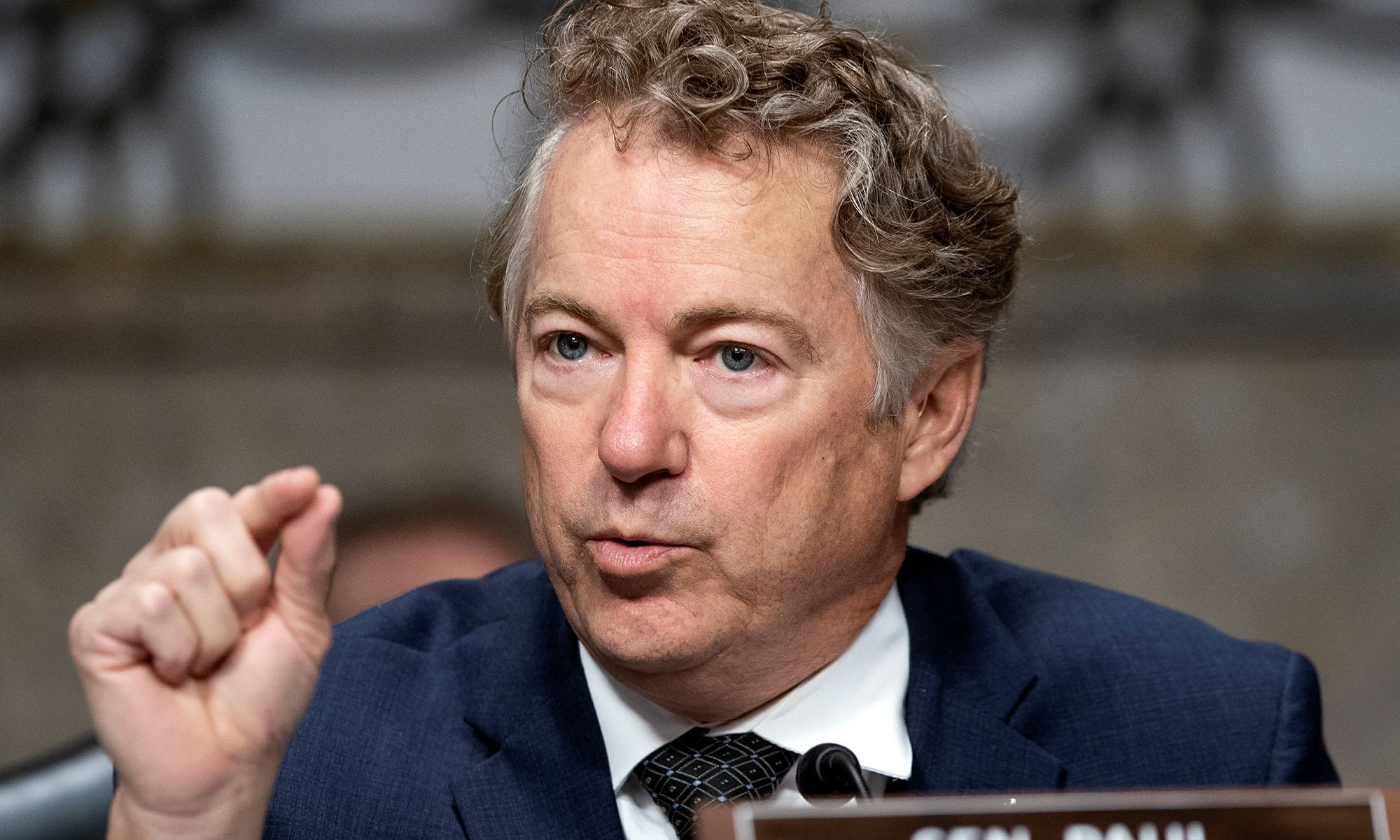
The editorial dealt briefly with the objections of Senator Rand Paul (R., Ky.) to the bill on free-speech grounds. Paul called the bill “a draconian measure that stifles free expression, tramples constitutional rights, and disrupts the economic pursuits of millions of Americans,” while also “effectively banning TikTok and ignoring its substantial investments in data security.” But this is misleading: The bill does not regulate speech on the platform. As the editorial noted, “TikTok users can and will be allowed to carry on as they always have, so long as the platform remains out of the control of an avowedly hostile rival superpower.”



Comments