
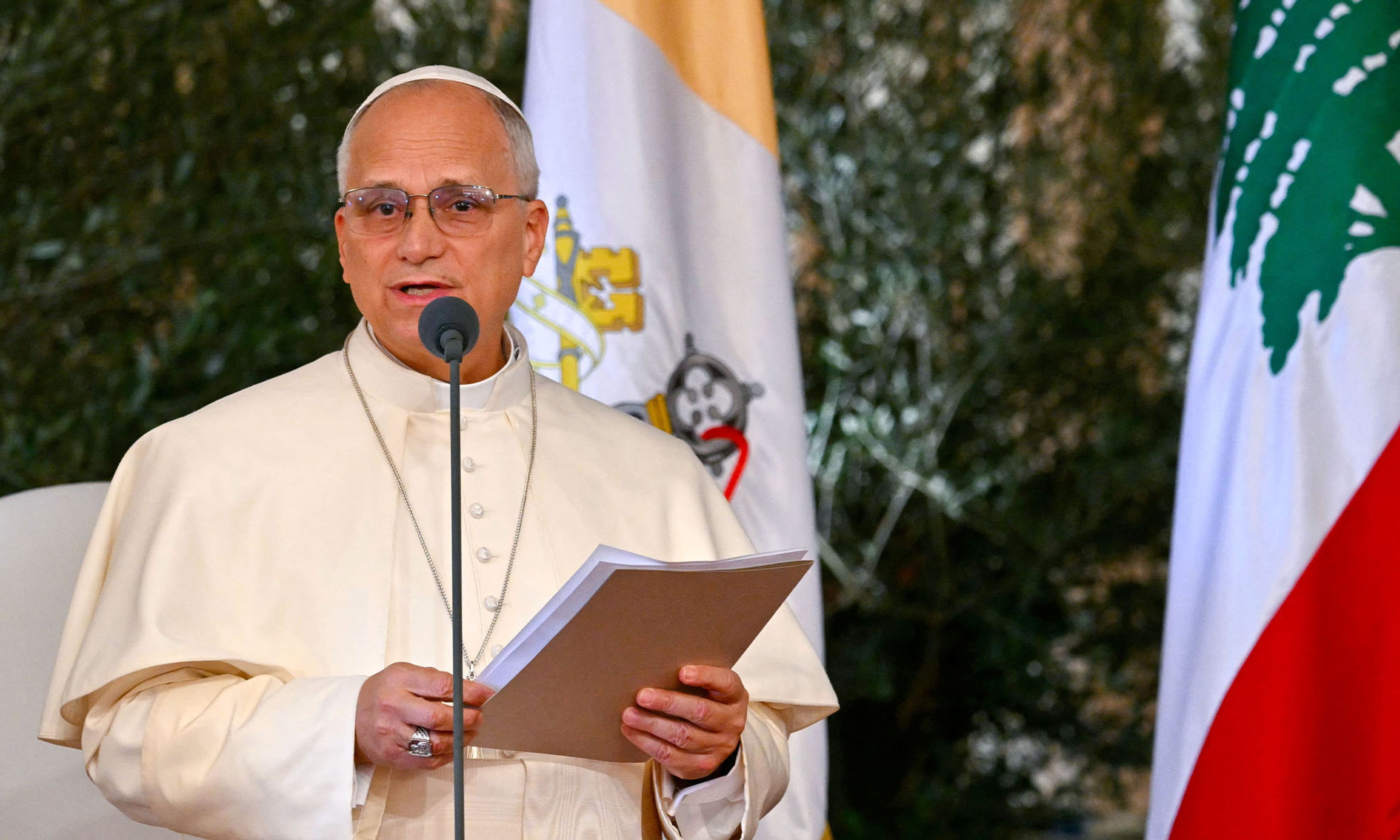
From Robert Royal at the Catholic Thing:
It puts grace and the love of God first, which are the deep realities that make it possible for us to live the Christian life. Pope Benedict put it trenchantly: “Being Christian is not the result of an ethical choice or a lofty idea, but the encounter with an event, a person, which gives life a new horizon and a decisive direction.”
One notable thing about Pope Leo’s pilgrimage is his decision not to pray in Istanbul’s Blue Mosque, something which Popes Benedict and Francis both did. He took off his shoes, visited “as a tourist,” but maintained a bit of distance from Islam. And rightly so. Alongside the neo-Arianism that denies Christ’s divinity, and the neo-Pelagianism that implies that we can save ourselves, a false universalism and indifferentism — “God wills a multiplicity of religions” as Pope Francis said in a careless moment — has arisen in the modern world, even in the Church.
Pope Leo’s seeming resistance to that in the Blue Mosque is a small gesture, to be sure. But it’s worth noting, nonetheless, because it’s in such small details rather than the usual worldly “issues” that interest the mainstream media that we glimpse the necessarily countercultural nature of the Faith today.
Indeed, we need more of that. It’s a delicate thing to believe in the radical importance of the Faith on the one hand, and on the other, in public, to talk as if peace and brotherhood result from dialogue rather than the only true source of charity: Jesus Christ. Leo, like his predecessors, often talks the usual public talk. But it would be good if, at this point in history, he were also to become even more openly Augustinian, precisely about the difference Christ makes even for public things.
It should also be noted that during the trip, Pope Leo talked about the importance of Nostre Aetate, the Vatican II document on ecumenism, most notably Christian relations with Jews, and the sin of antisemitism. He said: “True dialogue and collaboration is rooted in love — the only foundation for peace, justice and reconciliation. This dialogue, inspired by divine love, should embrace all people of goodwill, reject prejudice, discrimination and persecution, and affirm the equal dignity of every human being.”
We love. We must love. And Christ is love for these lands of strife. The presence of Christians in their homelands is right and just. It is also a leaven. Christians need to know Christ to be that leaven. And so the pope proclaims Christ, with the love that He is, the love that is His whole story from the Annunciation to Christmas to Easter.





Comments