
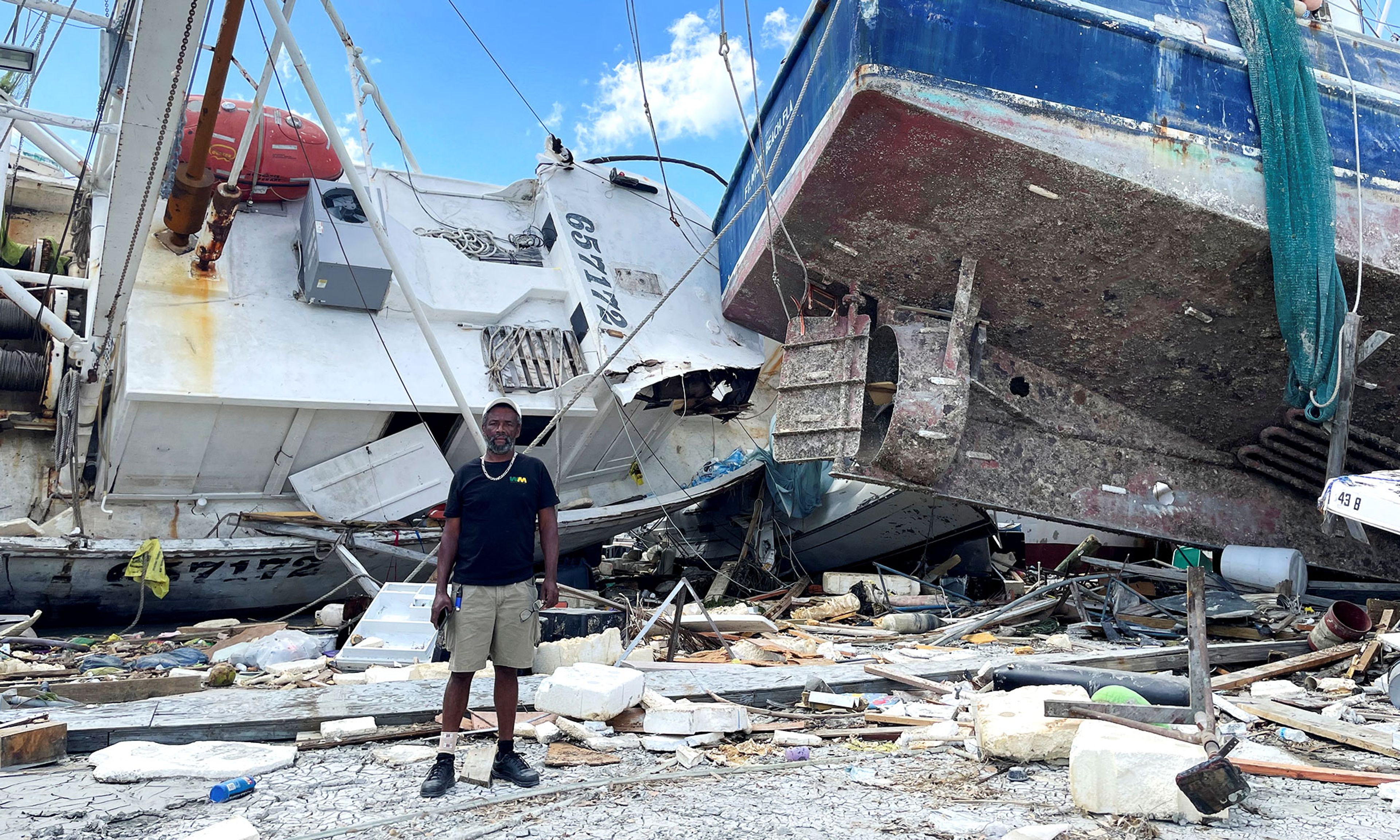
The Wall Street Journal reports:
The U.S. experienced an average hurricane season, and though among the warmer years on record, 2022 didn’t break temperature records for the country as a whole, federal climate scientists said Tuesday. But a series of big disasters, including the deadly Hurricane Ian, pushed damage costs from extreme weather events to about $165 billion.
…“In the U.S., we have consistently had both the highest total count, more than any other country each year, and the largest diversity of different types of weather and climate extremes that lead to billion-dollar disasters,” said Richard Spinrad, NOAA administrator, at a press conference Tuesday.
The cost inflicted by a natural disaster, such as a hurricane, is not always a reflection of the disaster’s severity. It should not surprise us that the cost of damage inflicted by natural disasters, in particular hurricanes, almost always goes higher every year. Coastal real estate is at a premium. Lots of wealthy people like to build their dream homes on the beach. Those homes get larger, more elaborate, and more expensive, year by year. It’s a similar story for beach resorts – the smaller, run-down motel gets torn down and replaced by a high-end luxury beachfront resort. When the hurricane comes through — and if you live in the southeastern U.S., sooner or later you’re going to be in the path of a hurricane – the cost of the damage is much higher than the last big one, a decade or so ago.
No policy, short of banning the construction of expensive homes, hotels, resorts or other structures along the beach, is likely to mitigate this trend. The cost of what is damaged or destroyed by a storm is a matter of what is built in the path of the storm, as much as the severity of the storm.
Even if the U.S. embraced every single climate change mitigation that came down the pike, hurricanes would not stop forming in the Caribbean, Gulf of Mexico, or Atlantic Ocean. They are an intermittent but persistent threat that is inherent to living along the coast. The good news is there are a lot of ways to make a home or building more resistant to the high winds of a hurricane, and year by year, builders, building code officials and product manufacturers continue to make improvements – spray polyurethane foam to effectively glue roofs down, storm shutters, reinforced and impact-resistant doors, laminated windows, sealants, etc.
Those improvements, of course, cost money; better and more durable materials are more expensive than the alternatives. So the good news is, the upgraded house is still standing after the severe storm, but the damage inflicted to the home may still have a considerable cost, because all of those parts of the house are more expensive than they were a decade or generation ago.






Comments