
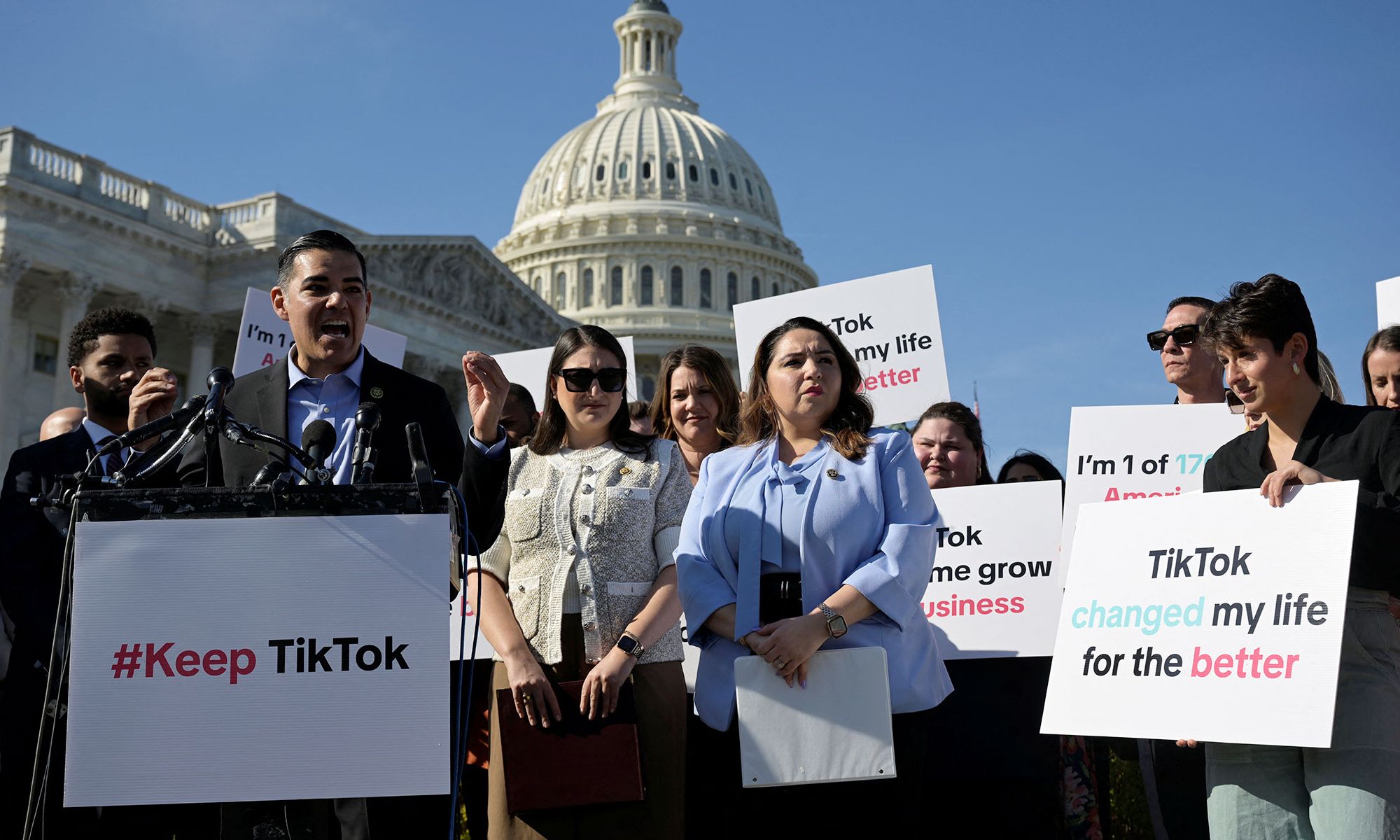
Almost exactly one year ago, when the U.S. Senate was debating the RESTRICT Act — sold by its authors as a means of “banning TikTok” — I first savaged the app as an ungated cloaca of demotic sludge warping hypnotized teens with infinite content, and all but recommended taking off and nuking it from orbit as the only way to be sure.
But then I turned to the real issue, which was how repulsive the RESTRICT Act itself was, a sweepingly overbroad and alarmingly drafted mess that honestly read, with its vaguely general authorizations and ill-defined terminology, like a paranoiac’s fever-dream-come-true: Trojan horse legislation designed to allow an unaccountable executive branch to arbitrarily interfere with American political and social discourse in the name of vaguely defined “national security,” sold to us under false pretenses. No matter how serious the threat posed by TikTok — and it is a grave one, as ably summarized by the Editors earlier this week — I argued that it was not worth yielding such dangerous powers to the executive branch in what felt like an obvious invitation to governmental abuse. The Senate bill quietly died, and will thankfully not return.

Comments