
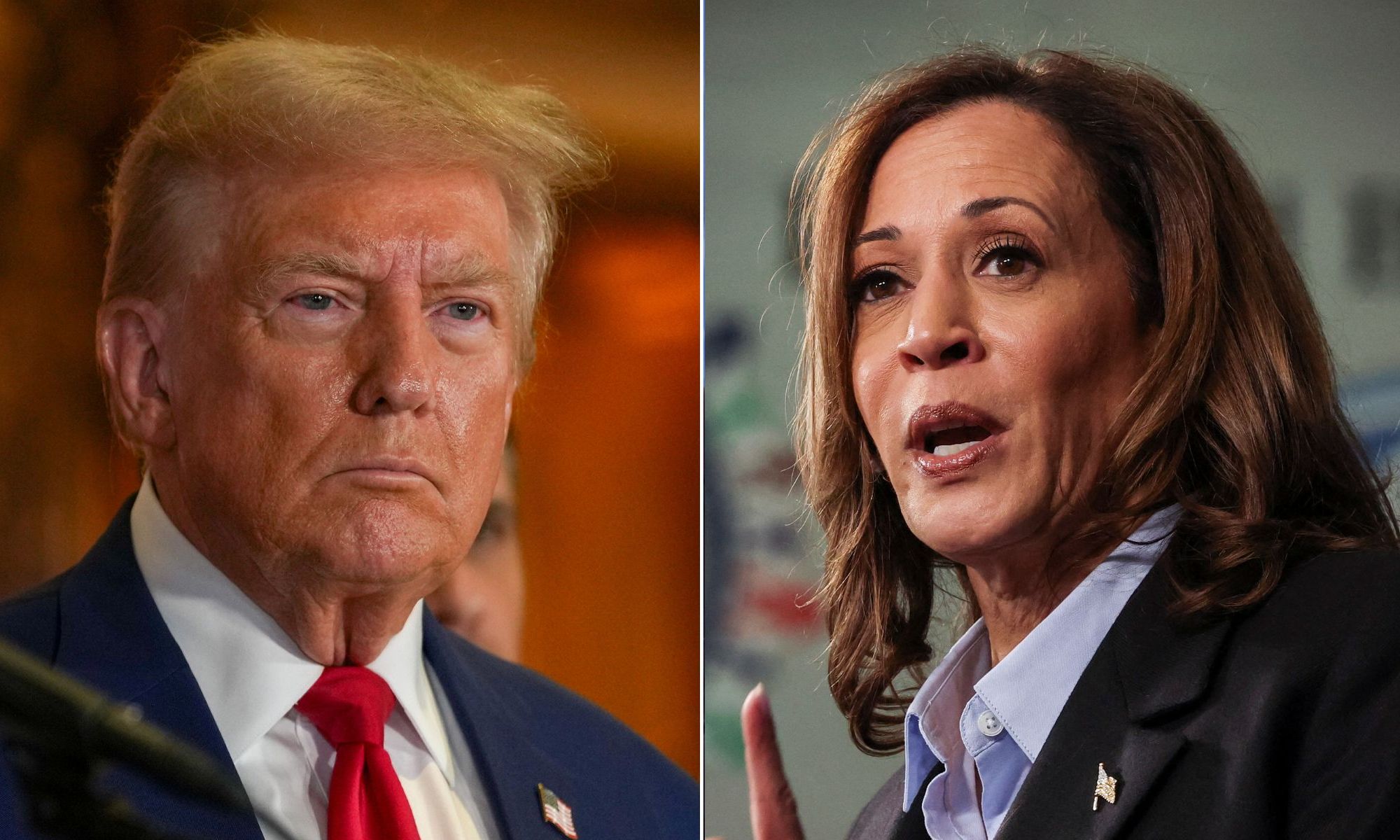
A brief note in reaction to the important — but long predicted, by Andy McCarthy among others — news out of Manhattan: Judge Juan Merchan has moved the sentencing of Donald Trump in his state-level conviction, previously scheduled for September 18, to November 26, after the election (“if necessary” — Trump’s legal team has filed a motion to set aside the verdict altogether that the court must first rule on the week before this hearing). Trump’s fans can take solace, and even people who loathe the man should take the philosophical view and thank God that we avoided having a ten-ton political depth charge explode directly underneath America’s political hull again this election cycle. (To the Democrats, I can say only this: If you thought sentencing Trump to prison on charges most people believe to be entirely political would help you, you are wrong, and you misunderstand the suburbanite voters you thought it would shake off the fence. You did not want that to happen with a month and a half to go until Election Day, believe me.)
The upshot of this for the election, of course, is that Kamala Harris’s campaign strategy — designed explicitly to keep her away from journalists, unguarded mics, and unmediated cameras — has lost one of its most fervently prayed-for wild-card events of the final stretch of the campaign. Trump’s sentencing, in the Harris people’s conception, was going to be an ideal capper for their electoral argument: They could just run “convicted felon sentenced to [X] years in prison” ads on TV all over Bucks County, Pa., and Oakland County, Mich., and assume they’d flip enough educated whites. (As I said above, I have real doubts about that.) They also might have been able to console themselves with the idea that, even after a poor or middling debate showing, this would be the last major public inflection point in the final stretch of the race, the impression voters went to their mail-in ballots thinking about.

Comments