You hear “the Ukraine” less often these days — “the Ukraine” instead of “Ukraine,” without the definite article. “The Ukraine” implies a region of something broader; “Ukraine” implies nationhood. Also, people are getting the hang of “Kyiv,” rather than “Kiev.” Is this a matter of political correctness? A “woke” term? No. Simply put, “Kiev” is a transliteration of the Russian name for the Ukrainian capital, and “Kyiv” is a transliteration of the Ukrainian. These linguistic matters may seem small — frivolous — but they mean a lot to Ukrainians, and, by extension, to their well-wishers.
For years, Vladimir Putin and his supporters, worldwide, have said that there is no Ukraine. That Ukraine is a fictitious country. Simply a western province of Russia. A vital part of Russia’s “spiritual space.” (Putin’s actions speak of nothing if not spirituality, true?) You will find the Kremlin line echoed in the American media, even now. I will provide one example, of many. On February 24, the day Putin launched his all-out assault on Ukraine, Steve Bannon told his War Room listeners and viewers, “Ukraine’s not even a country. It’s kind of a concept.” He then said — I will quote precisely, however awkward the sentence is — “It’s just a corrupt area where the Clintons have turned into a colony where you can steal money out of.”
The war in Ukraine is an existential struggle, as Volodymyr Zelensky, the Ukrainian president, grasps, and as all Ukrainians grasp. In a speech to the British parliament, by video hookup, Zelensky said, “The question for us now is, ‘To be, or not to be.’” Only a handful of countries have their very right to exist questioned. Israel is one. Taiwan is another. And, obviously, Ukraine.
In 2016, I spoke with Myroslava Gongadze, who at the time was head of the Ukrainian service of the Voice of America. Today, she is Eastern Europe chief. A native Ukrainian, she has led a turbulent life. Bluntly, I asked her, “Will Ukraine survive as an independent country?” She answered, “I cannot even think about not surviving. I cannot even let myself question that.” It is an understandable sentiment.
I happened to be in Kyiv, reporting, on December 5, 2019 — the 25th anniversary of the Budapest Memorandum. Signed by Russia, the United States, and Great Britain, this accord guarantees, among other things, the independence and territorial integrity of Ukraine. There was some dark joking in Kyiv on the anniversary — for Putin had been making war on Ukraine since 2014.
In 2004, there was a brazen act of violence. Campaigning for the presidency of Ukraine, Viktor Yushchenko was almost murdered, in a poison attack — the kind of attack for which Putin’s agents are now infamous. Yushchenko went on to be elected, in the Orange Revolution, a democratic uprising. There was another such uprising in 2014, known as “Euromaidan,” or the “Revolution of Dignity.” Putin and his people claimed that these uprisings were CIA operations, not genuinely Ukrainian at all. They always do this, and so do their echoers in the West, very much including the United States: The Ukrainians have no agency. They have no will or spirit of their own. They are just pawns in American hands, or Russian hands, for that matter.
Can this illusion now die, in light of what we have seen in Ukraine? The fight they have put up? Can it die along with the illusion that Ukraine is not a real country, etc.?
In 2019, I spoke with a variety of Ukrainians who were irked — in some cases furious — at American perceptions of their country: the perception of Ukraine as a corrupt joke, the perception of Ukraine as not really separable from Russia. You know the drill. One woman said — spat — “It’s all a pack of lies, coming straight from the Kremlin, and you guys believe it. Disgusting.” People were also bewildered that Vladimir Putin could be regarded, by anybody, as a champion and guardian of Christian civilization.
Volodymyr Zelensky had recently been elected president, at the age of 41. He had enjoyed a career as a television entertainer. He was best known for playing an ordinary Joe who found himself elected president. And here was Zelensky: president of Ukraine, in real life. I spoke with people who were for him and against him — but even those who were against him had sympathy for him, because he was caught in an American impeachment drama. (The first impeachment of Donald Trump had to do with the American president’s dealings with Ukraine, and with Zelensky in particular.) Zelensky needed the goodwill of all Americans — Republicans and Democrats — and so did Ukraine. The new president was in a tricky position.
As we speak, Zelensky is widely admired as a wartime leader. But not everyone is a fan. Some illusions, some strange understandings, persist. “Zelensky is a thug,” said Madison Cawthorn, the Republican congressman from North Carolina. “Remember that the Ukrainian government is incredibly corrupt and is incredibly evil and has been pushing woke ideologies.” “Woke”? As in desiring freedom and independence? Life itself? And here is Candace Owens, a media star, with 3 million Twitter followers: “President Zelensky is a very bad character who is working with globalists against the interests of his own people.” “Globalists”? Meaning, those allying with Ukraine, or thinking that things are connected in this dangerous world?
In 2019, I spoke with Vitaly Portnikov, a prominent Ukrainian journalist, and he used a memorable phrase: “pregnant with war.” The “post-Soviet space,” he said, was “pregnant with war.” Bismarck and others had spoken of the Balkans as “the powder keg of Europe.” Here was another one, potentially. And if Putin took Ukraine, he would not stop there, Portnikov said. Putin would have to be checked — halted — by democratic nations, working together.
I have been thinking of another conversation, too — one with Vladimir Bukovsky, the great Soviet-era dissident, at his home in Cambridge, England, in April 2019. Bukovsky died later in the year, in October, at 76. “Putin will provoke the West again and again,” he told me, that spring day on his patio. “What he is doing now, you remember, used to be called ‘brinkmanship.’ He will push things to the limit — to test the strength and resolve of the West.” Putin annexed Crimea. He altered international boundaries by force — and got away with it. He proved that a taboo was not, in fact, a taboo. What else could he do?
Putin is a classic Soviet man, said Bukovsky, “a product of the system.” He did not spend all those years in the KGB for nothing. “Everything that comes from him has a birthmark on it”: a Soviet birthmark. Putin and those like him regarded the collapse of the Soviet Union as a tragedy, and the loss of Ukraine as a particular tragedy. Unjust. Unnatural. Insulting.
On the eve of the current war, Myroslava Luzina, a political analyst in Kyiv, told me that the Kremlin was like “an abusive ex”: a man who stalks the woman he once had and would rather kill her than see her live as she chooses. “We all have a right to our lives,” said Luzina, “and Ukraine has a right to its life, and not to be controlled by an abusive ex, you know?”
Bukovsky made another point to me, three years ago: Putin, like Kremlin chiefs before him, cries “Encirclement!” He pretends that Western powers are encircling Russia, preparing to do Russians harm (rather than to stop the Russian military from invading other countries). This is a way of distracting the population from the problems that bedevil it. According to Kremlin propaganda, the West is always plotting against the Russian people. “The truth is, the West doesn’t give a damn about Russia,” said Bukovsky. “I should know this, having lived in the West for more than 40 years.”
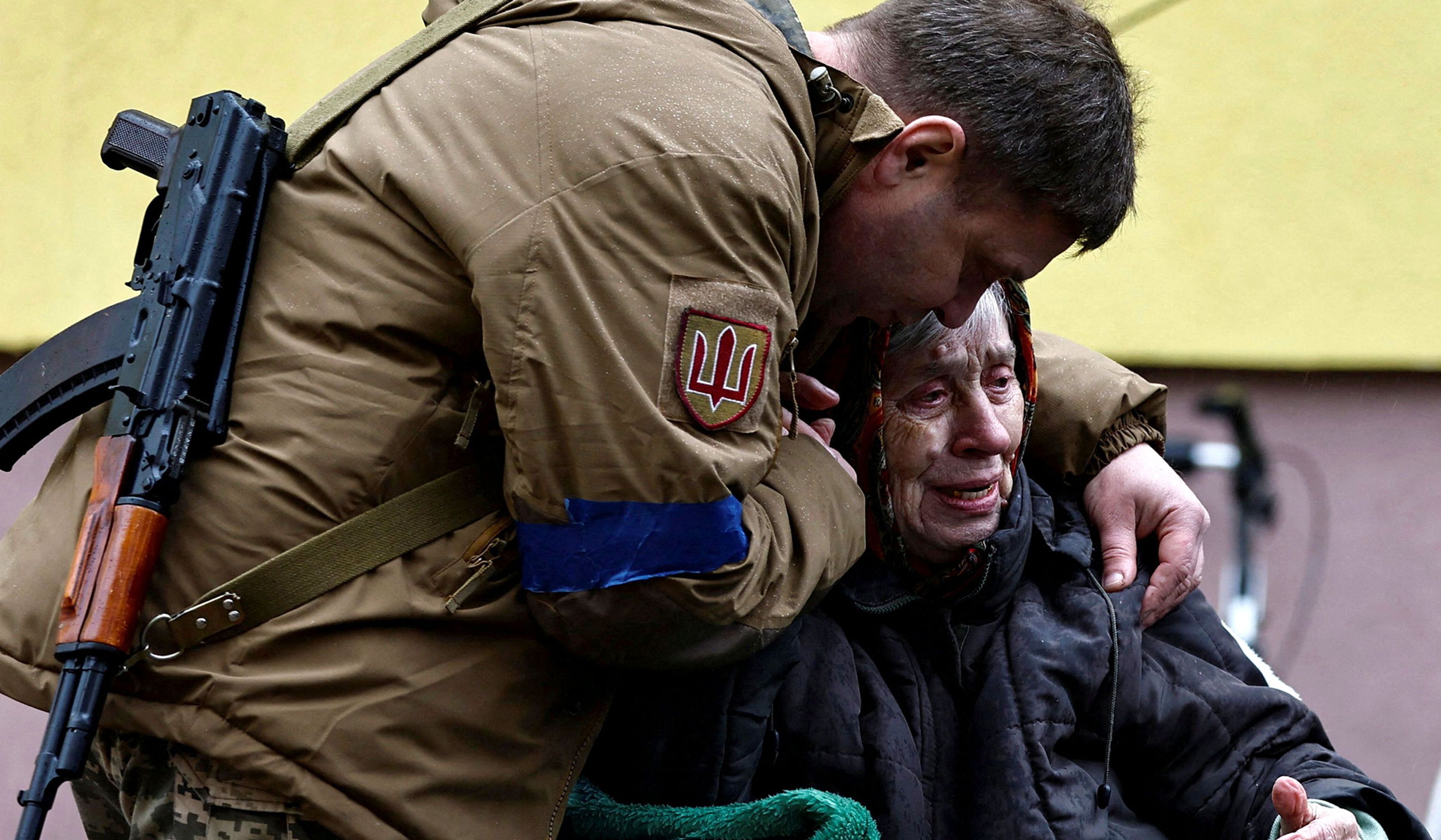
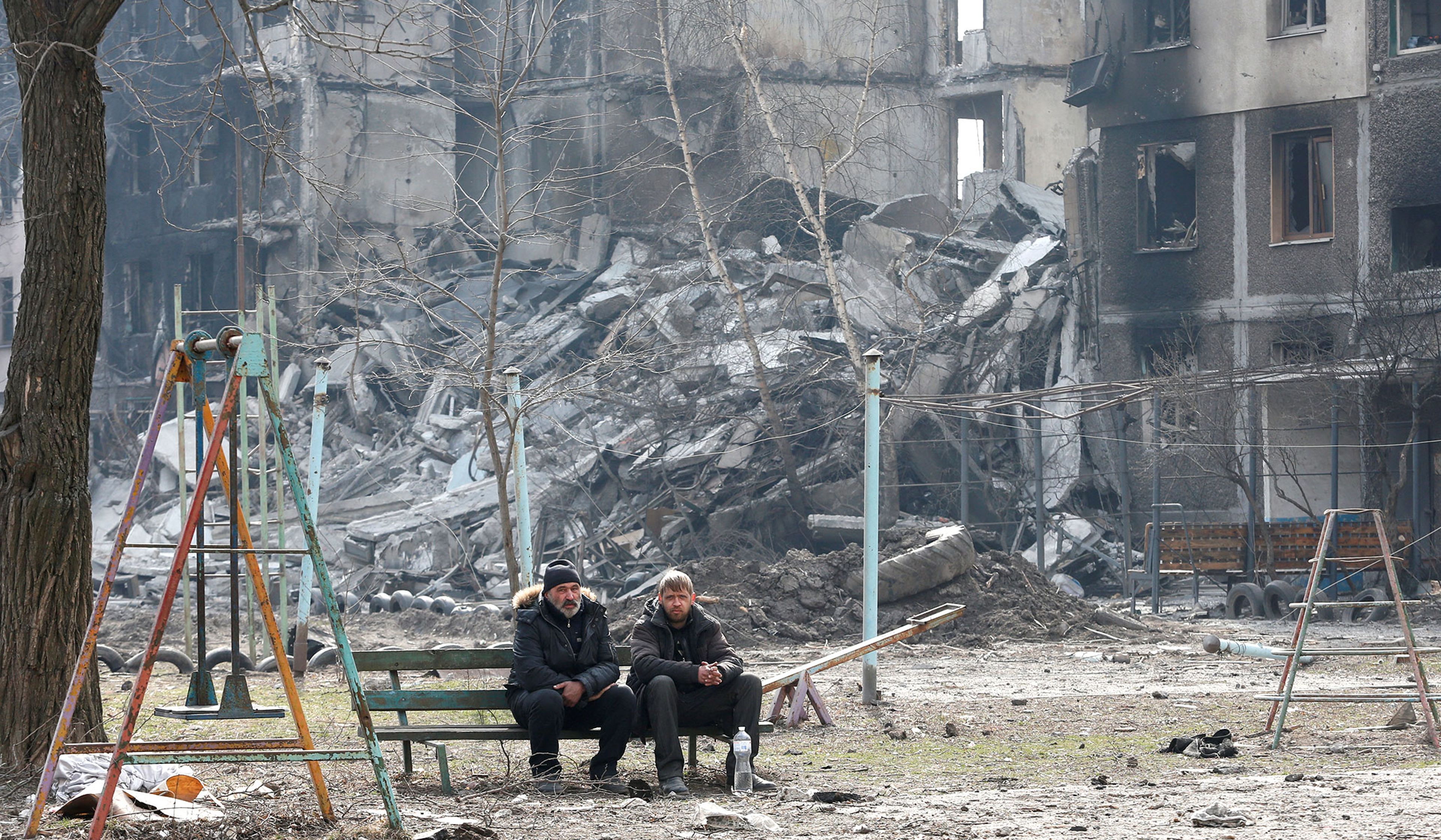
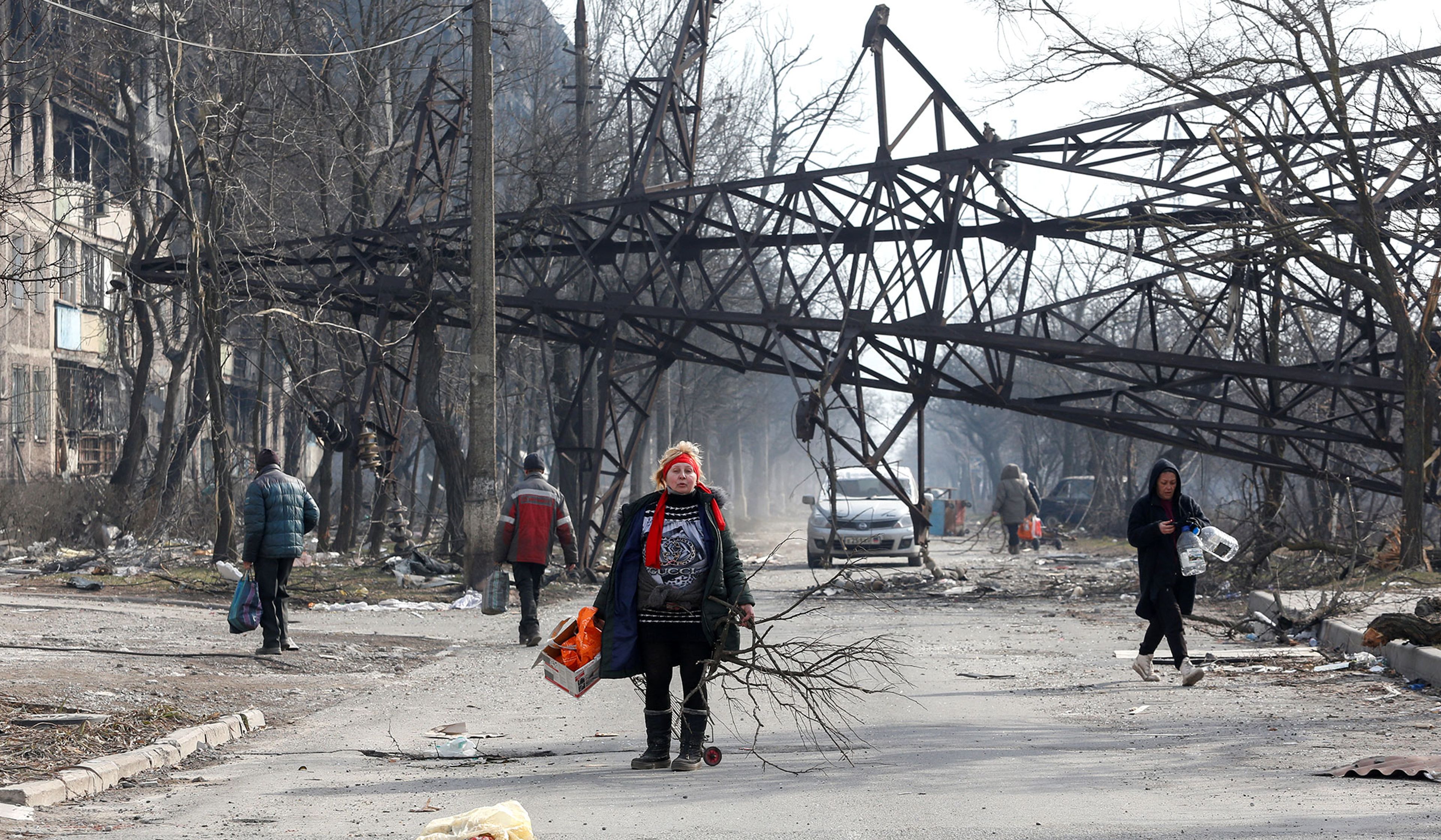
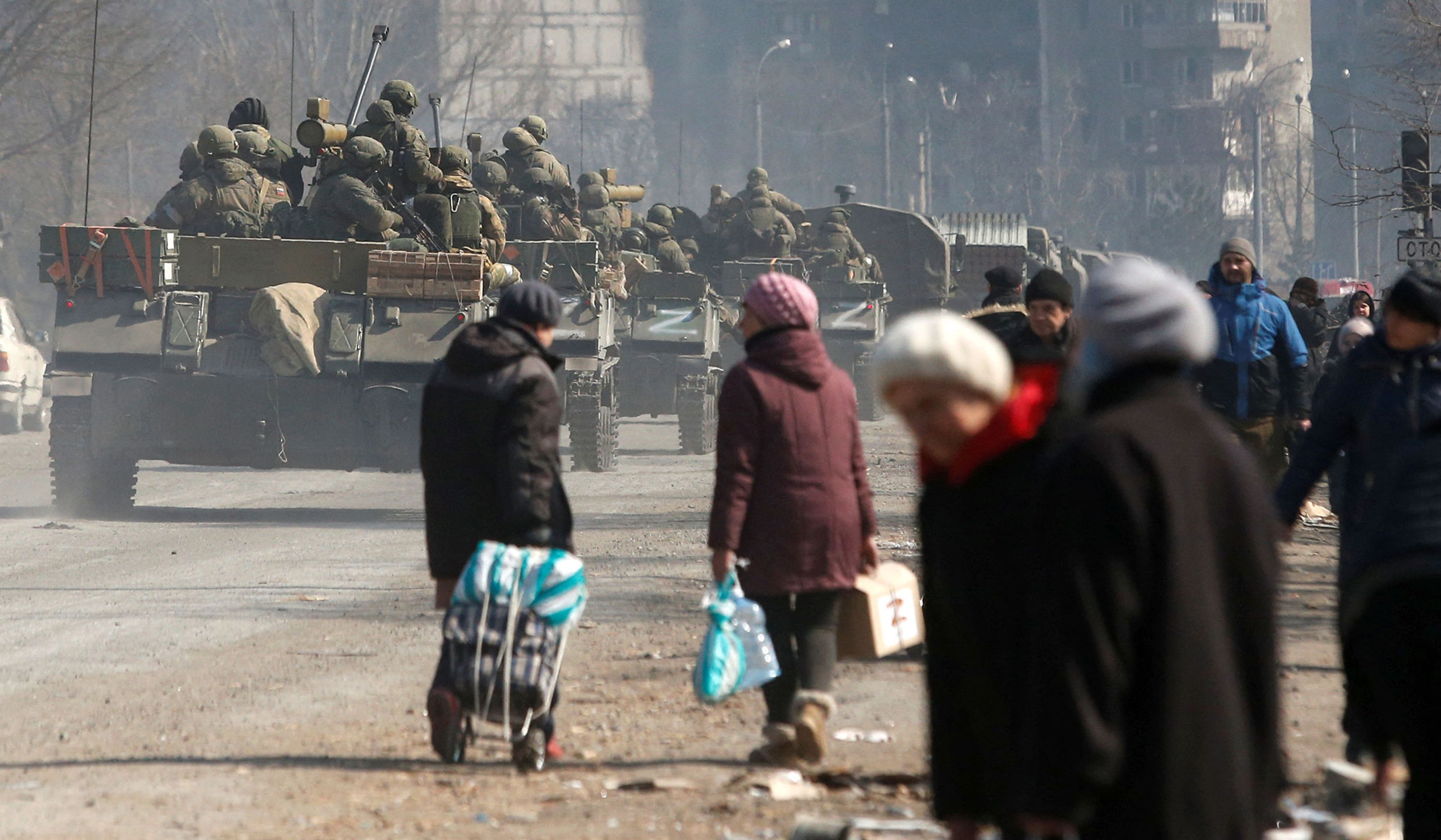
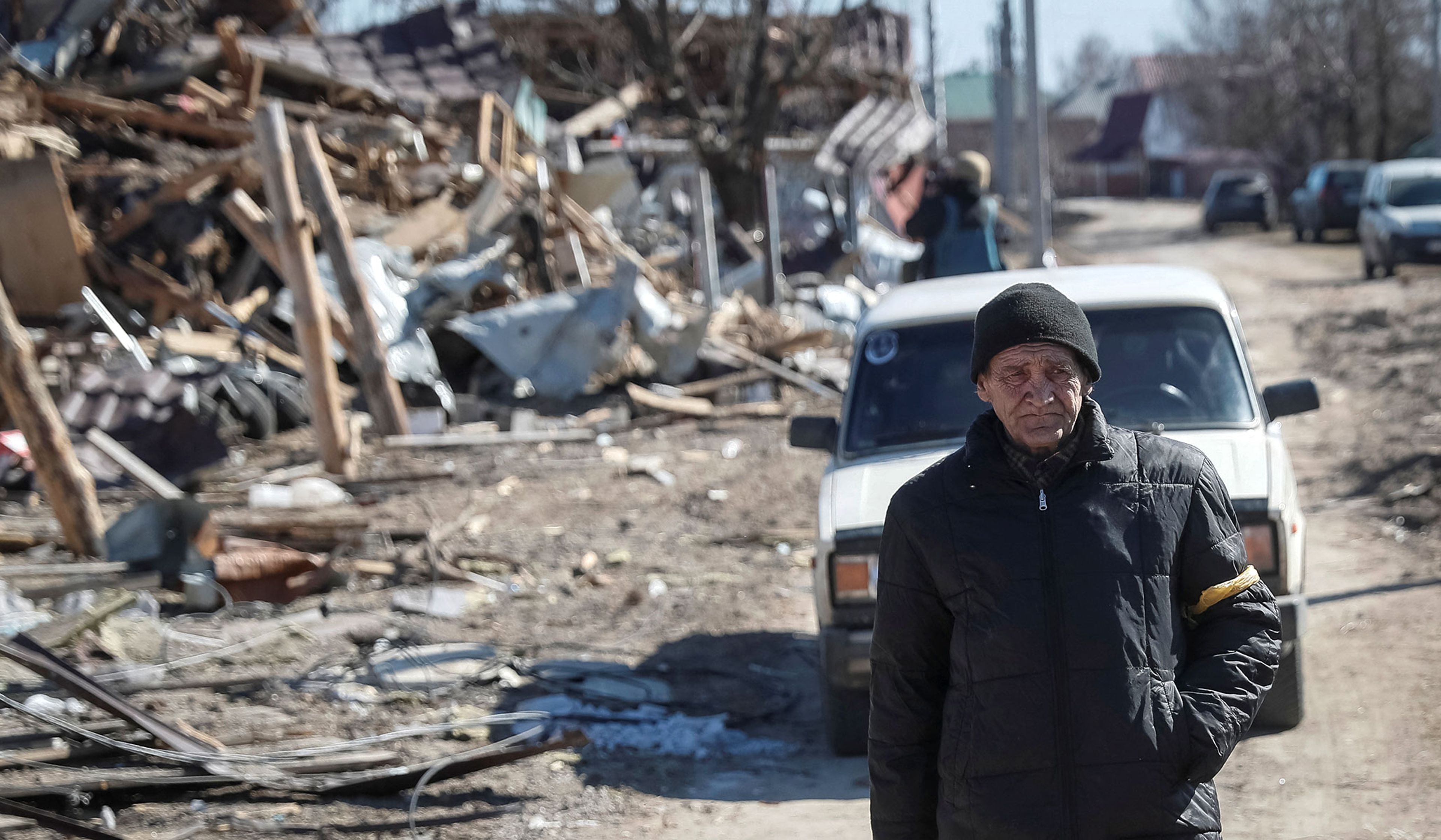
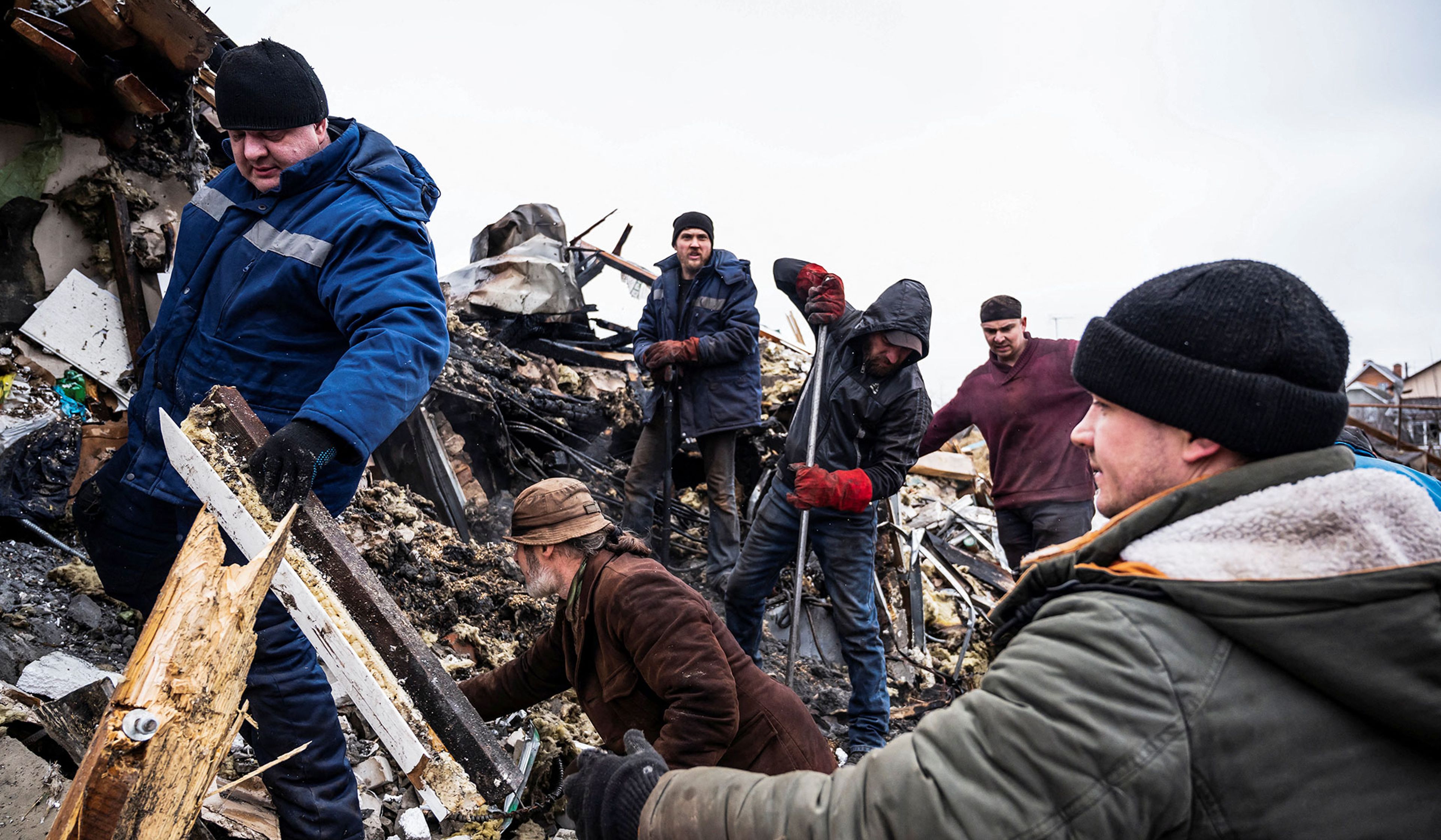
A Ukrainian serviceman hugs his mother Larysa Kolesnyk, 82, after she was evacuated from Irpin on the outskirts of Kyiv, Ukraine, March 30, 2022.
Zohra Bensemra/Reuters
Putin is a patriot, or a nationalist, who loves Russia, many claim. On February 22, Trump said, “He loves his country, you know? He loves his country.” Putin has looted his country. Robbed it blind. He has denied his country a free press, genuine elections, an independent judiciary. He has created another “fear society,” to borrow Natan Sharansky’s phrase. He has driven millions into exile — especially young people, hoping for a better life. He has made Russia a pariah on the world stage. If this is love of country, what is antagonism?
A great many Russians love their country — and many of them are in prison cells or graves. Russians are among the bravest people on earth, long have been. Think of those who have protested the current war, at tremendous risk to themselves. “Putin is committing monstrous crimes in the name of my people, my country, and me,” said Mikhail Shishkin, a novelist. “Putin is not Russia.” This is in marked contrast with a notorious statement made by Vyacheslav Volodin, a high-ranking Putin lackey, in October 2014: “There is no Russia today if there is no Putin.”
Are Russian dissidents and risk-takers relatively few? Well, aren’t they always, in any fear society? Looking at these stunning Russian protesters, arrested and beaten up, I have thought of a line from José Martí, the 19th-century hero of Cuban independence: “When there are many men who lack honor, there are always others who have within themselves the honor of many men.”
We have long heard the following, from people around the world — certainly in the United States: “People in western Ukraine think of themselves as European and want to join the European Union and NATO. They are cosmopolitan elites, essentially. Uppity. Real and earthy people in the east — they are Russian and Russian-speaking, and yearn to return to their rightful fold.” Today, people in the east are saying to the invaders: “Go home!”
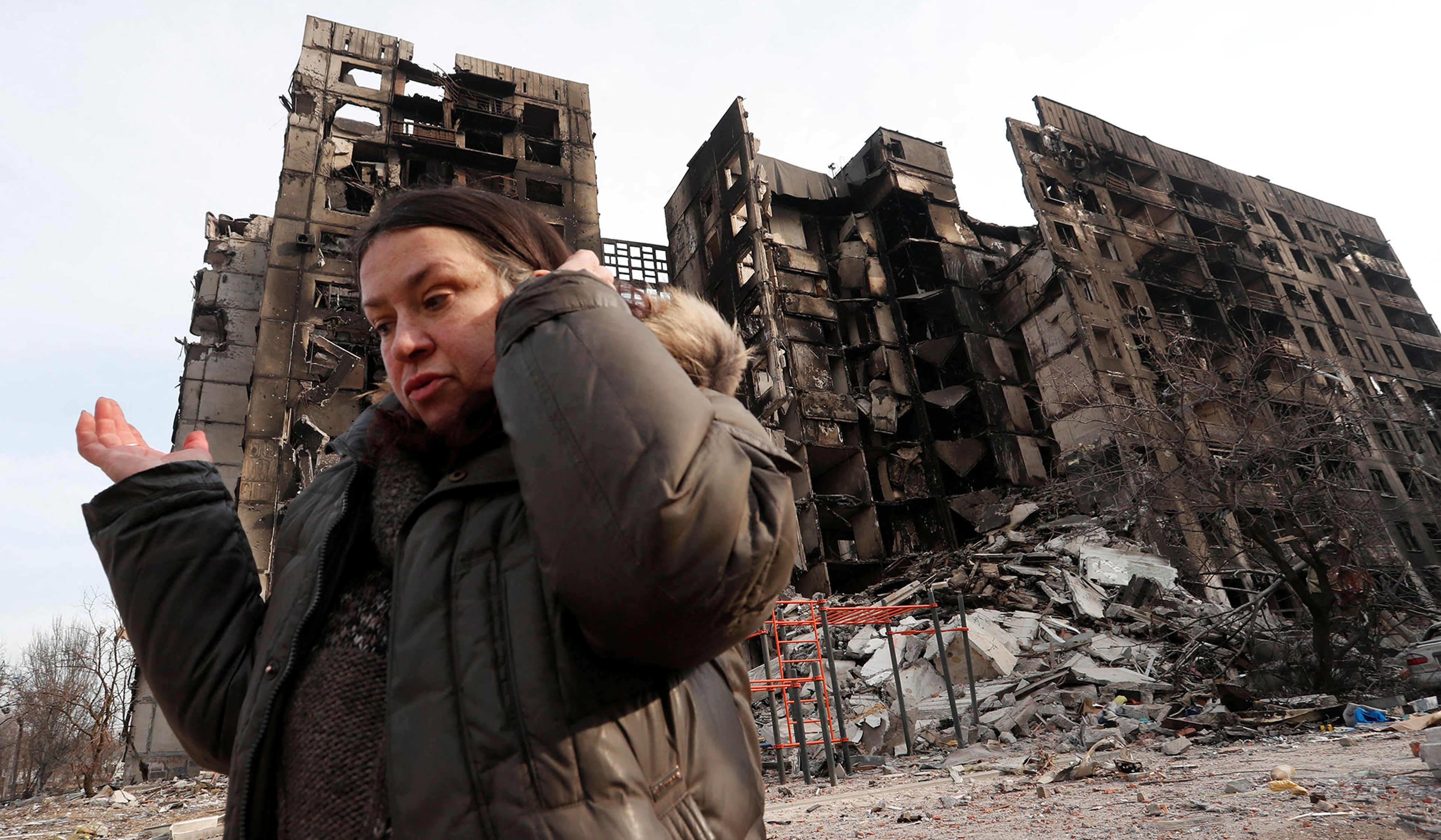
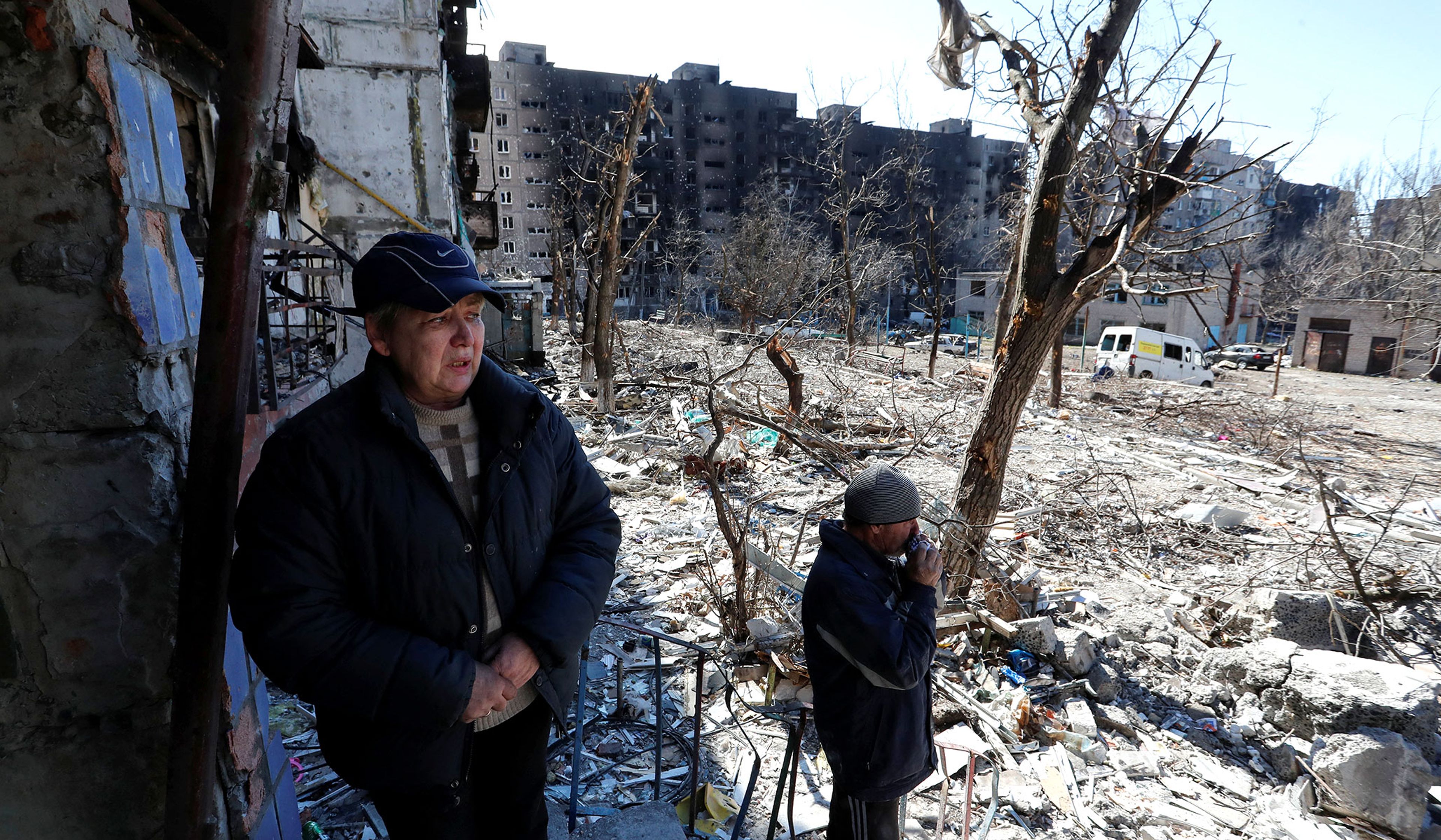
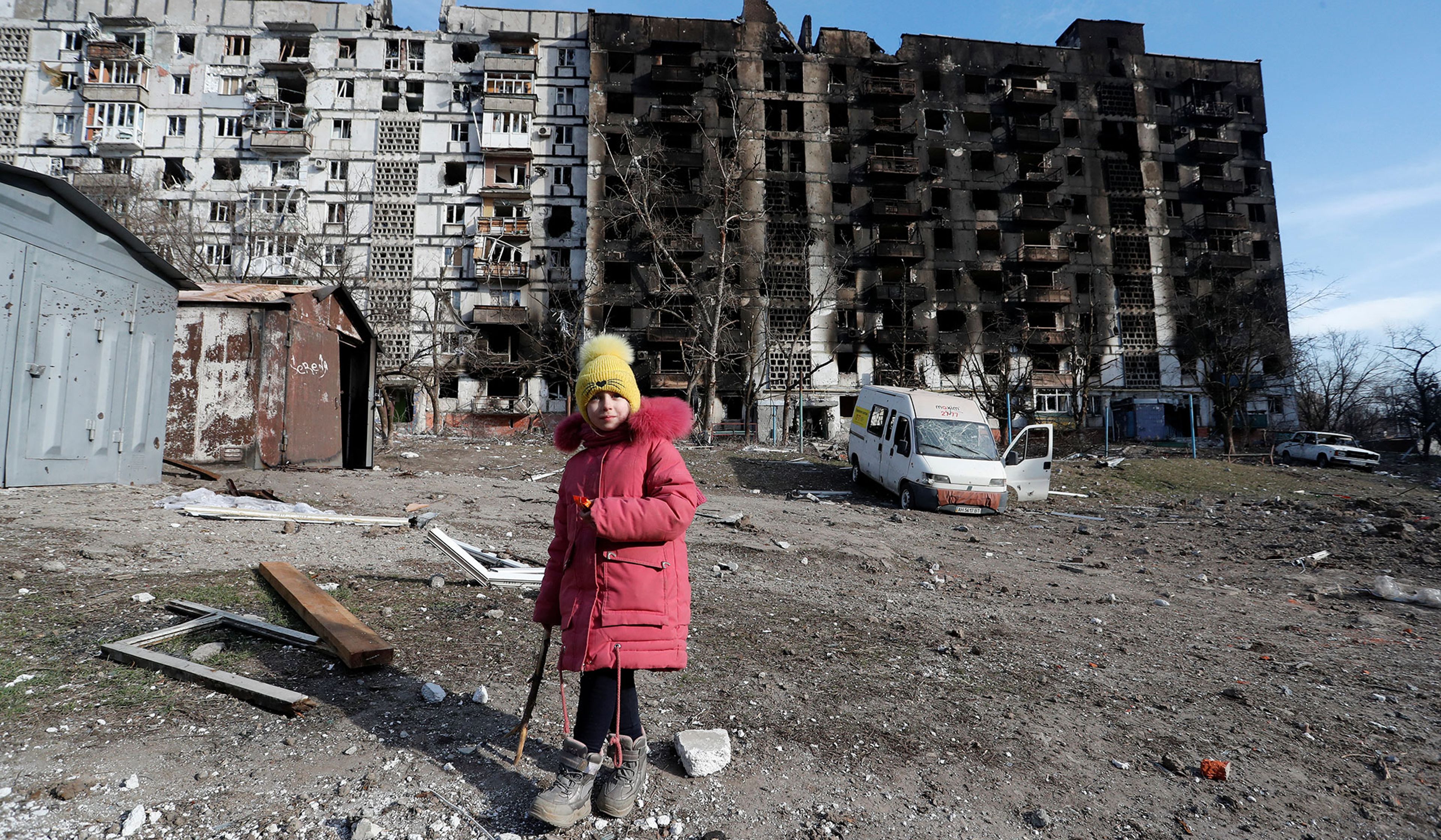
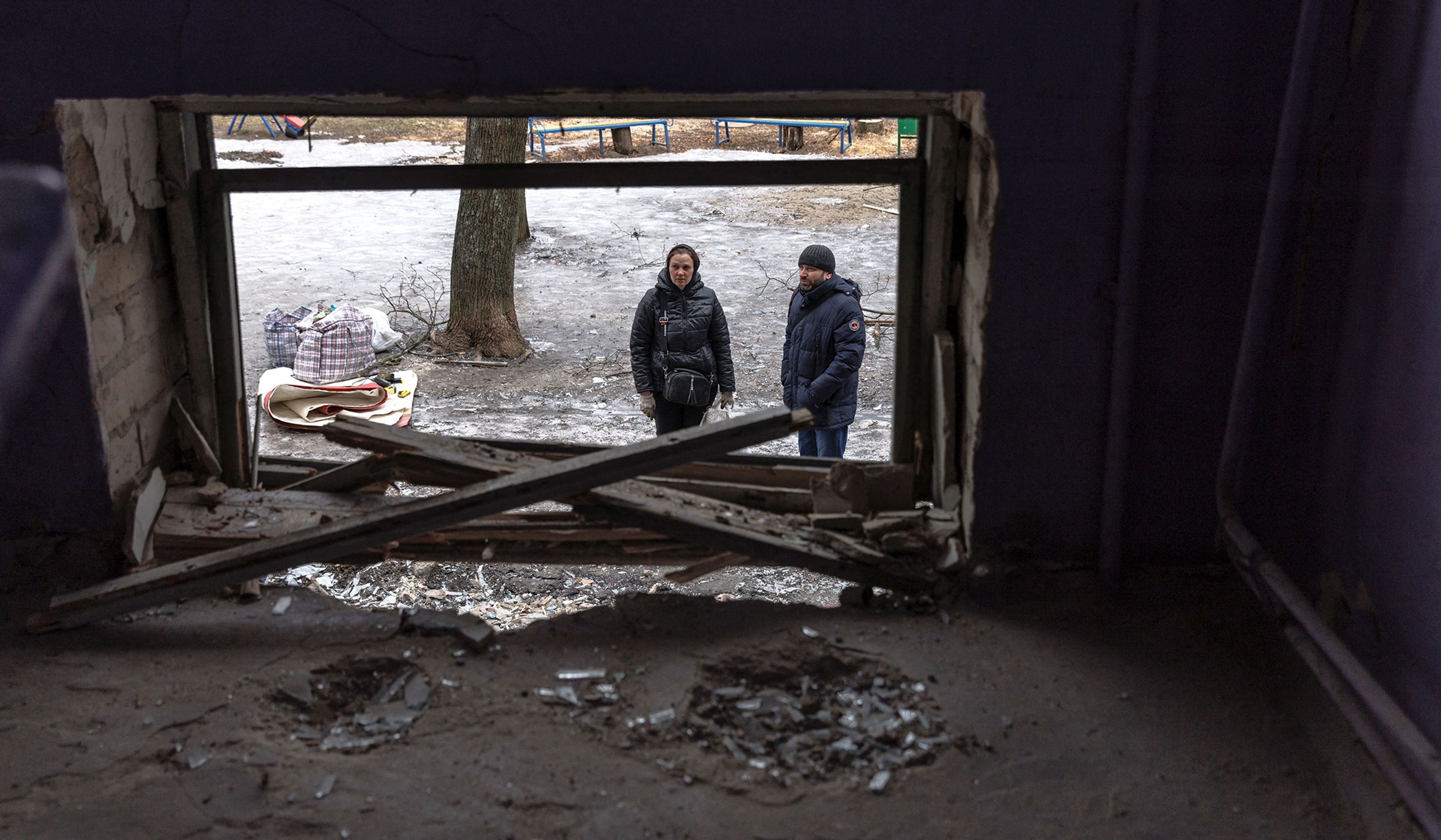
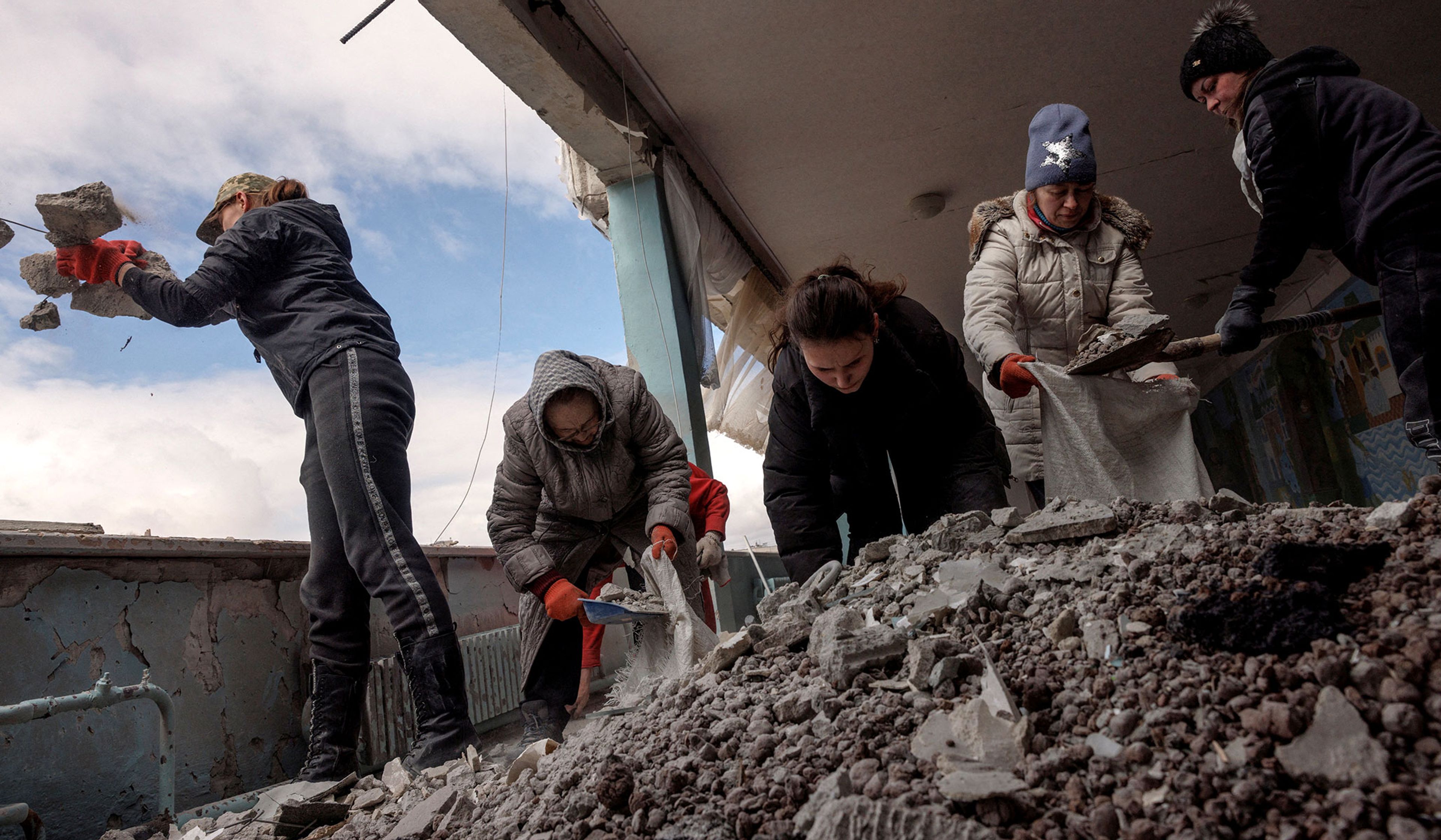
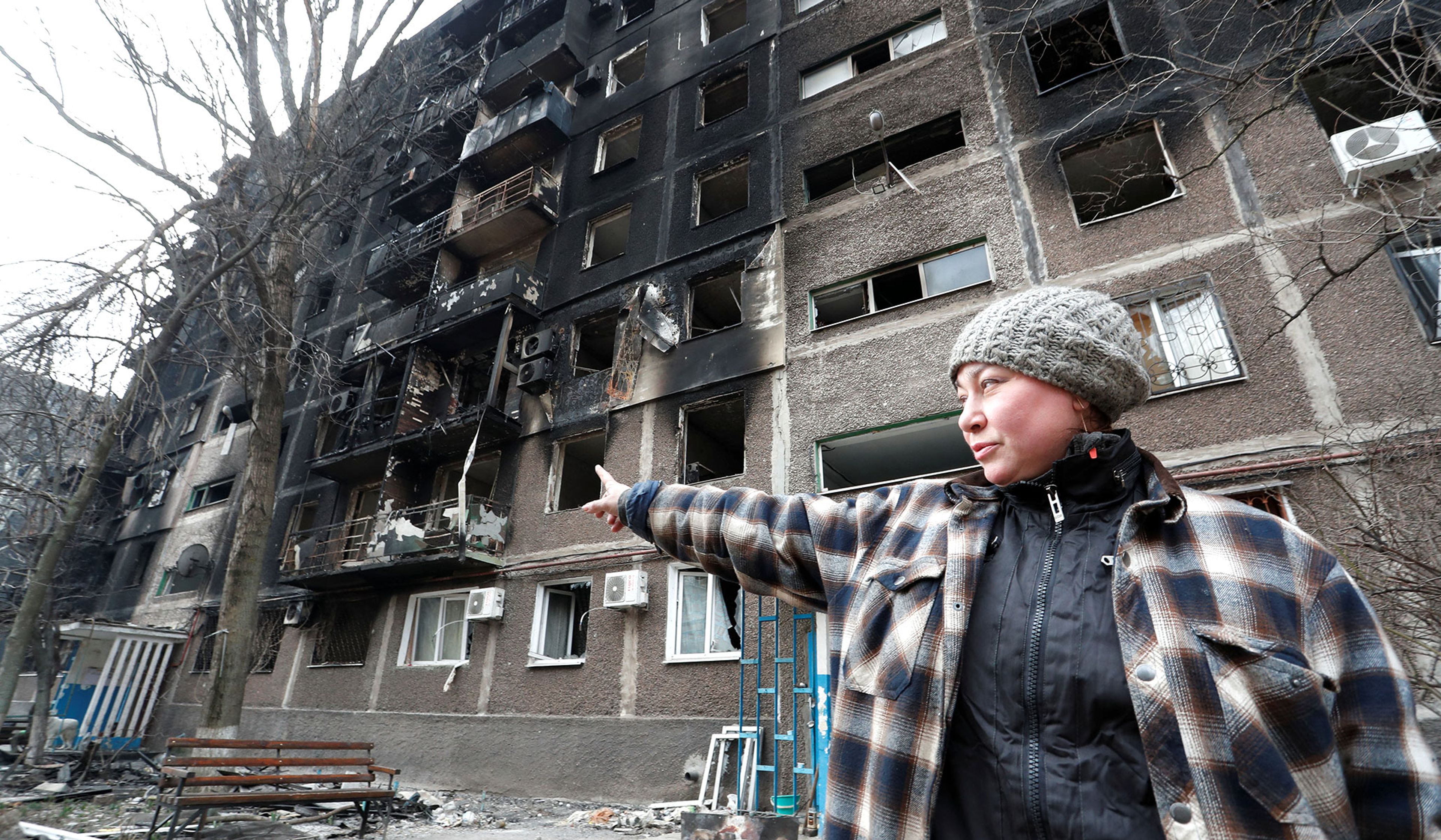
One of Putin’s pretexts for war, you remember, is that he is saving Russians and Russian-speakers from their Ukrainian oppressors. He has a funny way of showing it. His forces have flattened Kharkiv and Mariupol — Russian-speaking cities — the way they did Grozny and Aleppo. “There are no coffins left in the city,” said a morgue director in Kharkiv. Here is a report from Mariupol, filed by the Associated Press on March 8, before the city was completely pulverized: “Corpses lie in the street as people break into stores in search of food and melt snow for water. Thousands huddle in basements, trembling at the sound of Russian shells pounding this strategic port city.”
Can this be another lie that dies? That Putin is motivated by his love for Russia — Russian culture and “spirituality” and language? Soviet depredations in Budapest and Prague, in 1956 and 1968, have nothing on Putin’s depredations in the Russophone cities of Ukraine.
The N-word is heavy in the air: “Nazi.” “Nazi! Nazi! Nazi!” Putin and his men cry. Their mission is to “denazify” Ukraine. Opposing U.S. aid to Ukraine, Marjorie Taylor Greene, a Republican congresswoman from Georgia, said, “You have to ask, is this money and is this United States military equipment falling into the hands of Nazis in Ukraine?” Ukraine has a far-Right element, certainly. So do Russia, Poland, Serbia, and many another country we could name. Ukraine also has a Jewish president. And a Jewish defense minister. From 2016 to 2019, it had a Jewish prime minister. Writing in the Times of Israel, Andriy Yermak, Zelensky’s chief of staff, noted that Ukraine has “the third-largest Jewish population in Europe and the fifth-largest in the world.”
Here is Ukraine’s foreign minister, Dmytro Kuleba, eulogizing one of Putin’s victims in the current war:
Borys Romanchenko, 96, survived four Nazi concentration camps: Buchenwald, Peenemünde, Mittelbau-Dora, Bergen-Belsen. He lived his quiet life in Kharkiv until recently. Last Friday a Russian bomb hit his house and killed him. Unspeakable crime. Survived Hitler, murdered by Putin.
In a podcast with me, Radek Sikorski, the Polish writer and politician, made a point about this Nazi business. Think of the slogan “Ein Volk, ein Reich, ein Führer” — “One people, one realm, one leader.” Whose vision and behavior does that fit? Putin’s or Zelensky’s?
About ten years ago — on November 28, 2011, precisely — Sikorski gave a speech in Berlin that made headlines around the world. He said, “I will probably be the first Polish foreign minister in history to say so, but here it is: I fear German power less than I am beginning to fear German inactivity.” In response to Putin’s assault on Ukraine, Germany has decided on a massive increase in defense spending and other changes of course. NATO has reawakened, it seems — been jolted wide awake. On March 19, the vice foreign minister of China, Le Yucheng, delivered himself of an opinion: “NATO should have been consigned to history alongside the Warsaw Pact.” As it happens, NATO was born the same year the Communists took power in China. Some of us are hoping that NATO outlives it — Communist rule, that is.
Putin’s longstanding fans and allies in Europe are having to do some fast dancing. In France, Marine Le Pen shredded 1.2 million campaign pamphlets. They had boasted a photo of her with Putin. In Italy, poor Matteo Salvini had himself videoed while bringing flowers to the Ukrainian embassy. He is better known for wearing Che-style Putin T-shirts — at the EU Parliament in Strasbourg and in Red Square itself.
On February 24, as Putin was unleashing hell, CPAC held a meeting in Orlando, Fla. Charlie Kirk, the leader of Turning Point USA, said, “I’m more worried about how the cartels are deliberately trying to infiltrate our country than a dispute 5,000 miles away in cities we can’t pronounce, in places most Americans can’t find on a map.” If you will allow that history sometimes rhymes — maybe you can forgive some of us for thinking of another speaker, elsewhere, in September 1938: “a quarrel in a faraway country between people of whom we know nothing.”
Volodymyr Zelensky thinks the struggle in Ukraine is more than a local concern. He had a message for pro-Ukraine demonstrators in Prague: “If we win — and I’m sure we will win — this will be a victory of the whole democratic world.” The Balts are watching with special concern, as you can imagine. One foreign minister, Gabrielius Landsbergis, said, “We in Lithuania know very well that Ukraine is fighting not just for Ukraine” but also “for us in the region” and for “everyone in the democratic world.” In Taiwan, they are looking on with special concern, too. The vice president, Lai Ching-te, said, “The people and government of Taiwan stand with Ukraine. The principle of self-determination cannot be erased by brute force.” The president, Tsai Ing-wen, tweeted out photos of Taiwanese cities, lit up with the colors of the Ukrainian flag. “Our country & people #StandWithUkraine against Russian aggression,” she wrote.
You know who else understands the stakes in Ukraine to be very high? Here is Putin’s foreign minister, Sergey Lavrov: “This is not about Ukraine at all, but the world order. The current crisis is a fateful, epoch-making moment in modern history. It reflects the battle over what the world order will look like.”
Let us have an end to illusions — or at least a reprieve from them. Churchill wrote a six-volume history of World War II. To each of the volumes, he gave a theme. The first volume is titled “The Gathering Storm” and its theme is: “How the English-speaking peoples, through their unwisdom, carelessness and good nature, allowed the wicked to rearm.” The last volume is “Triumph and Tragedy.” Its theme: “How the great democracies triumphed, and so were able to resume the follies which had so nearly cost them their life.”










Comments