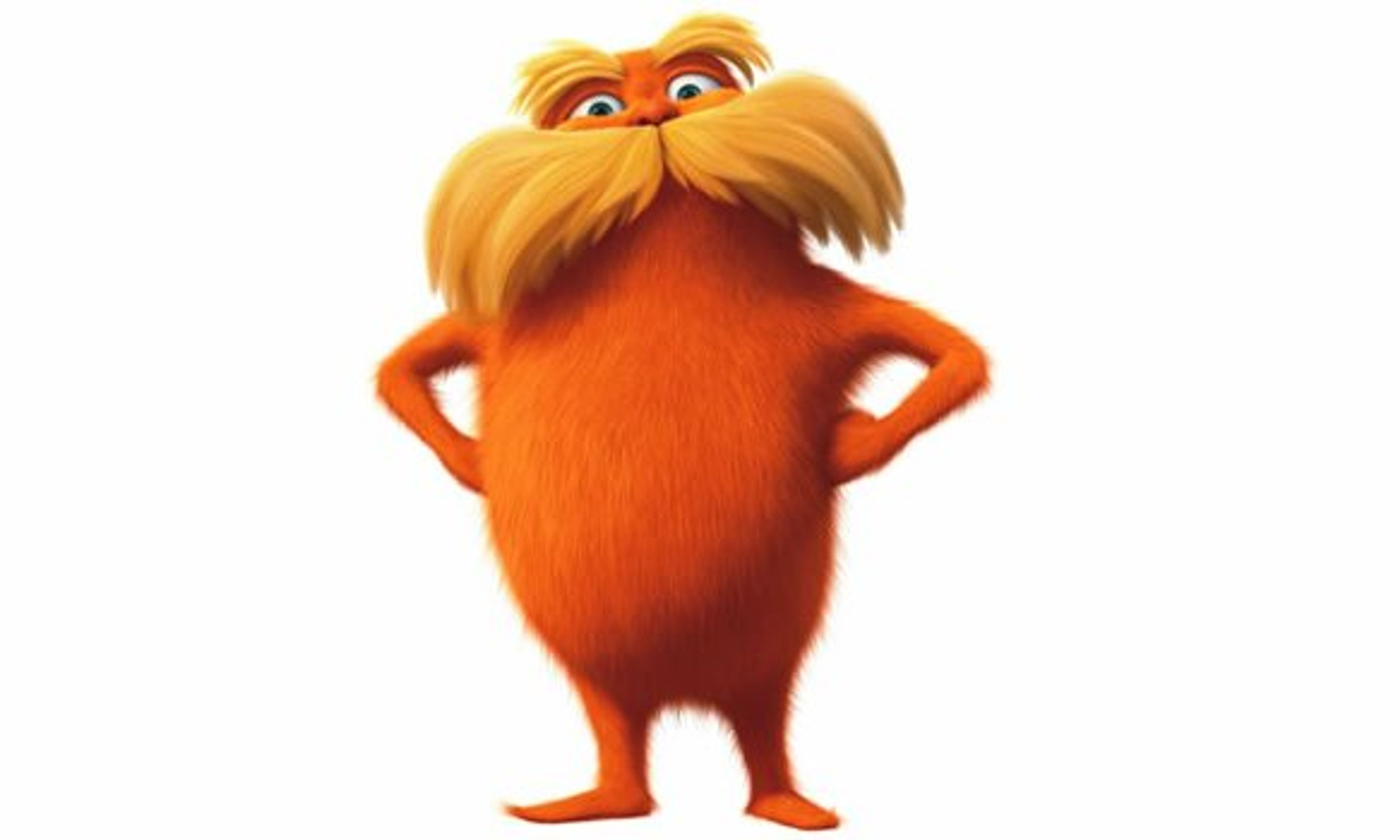
There was a time, somewhere around the age of five, when my favorite Dr. Seuss book was The Butter Battle Book. This preference probably owed less to the book’s quality than to the fact that it was newly published and delivered to me as a Christmas present, which meant that — unlike The Cat in the Hat and Horton Hears a Who and The 500 Hats of Bartholomew Cubbins and other battered denizens of my book pile — I hadn’t read it often enough to grow weary of it. But maybe, just maybe, my political antennae were starting to twitch as well, and I could discern that The Butter Battle Book was trying to be more than just a children’s book — that its pages offered not only a story, but an argument as well.
Only later, of course, did I recognize that the argument in question was morally dubious, if not repugnant. (The titular “butter battle” is a Cold War update of Jonathan Swift’s Lilliput–Blefuscu conflict over the best way to crack an egg, and the book is written so as to imply that the difference between the United States and the Soviet Union is about as consequential as the difference between buttering toast on the top and on the bottom.) Still, when I’ve returned to The Butter Battle Book in the years since, I’ve always been struck by how effectively the parable works — how smoothly the Seussian language makes the messaging go down, and how naturally the author’s usual absurdist style meshes with a Dr. Strangelove–esque critique of Mutually Assured Destruction.










Comments