The decline of the Soviet Union in the 1980s profoundly changed the environment for U.S. trade policy. Trade relationships that disproportionately benefited America’s partners lost a crucial geostrategic justification. Yet the U.S. did not adjust. Outdated trade policy eventually helped breed a sustained protectionist reaction.
But protectionists now risk mirroring the pro-trade side’s earlier mistake. The world has changed again — the People’s Republic of China (PRC) is not only a military threat, it’s also an economic-security threat through its coercive acquisition of intellectual property and explicit attempts to control key supply chains. This certainly does not mean the U.S. should accept harmful economic relationships for the sake of competing with China. But without an agenda for some sort of trade promotion, Washington will lose ground to Beijing’s initiatives, handicap the U.S. in the contest for global political influence, and see American security erode.
The attempt to build a fully global trade regime turns out to have been a mistake, and clinging to it would be folly. But trade policy does not have to aim for sweeping global results. There is a full menu of options to create new economic opportunities for American companies and workers, improve supply-chain resilience, and bolster allies and friends. These options should make it possible to create mutually beneficial economic agreements with countries of top strategic importance while diversifying supply chains away from China. Our highest trade priorities should be Japan, Taiwan, the Philippines, and Indonesia. To be fully successful, the U.S. should have economic agreements of some kind with all countries along the strategically critical First Island Chain in East Asia (the archipelagos and waters opposite China’s coastline, where it is most aggressive). Agreements that diversify supply chains should also include upgrades of existing relationships in Central and South America. If some of these goals turn out to be infeasible, sectoral agreements with the EU, or some of its members, and India should be turned to next.
On its own terms, U.S. trade policy was remarkably successful for half a century after World War II. Washington developed an international economic system to help allies prosper and contain Soviet expansion. This post-war strategy, manifested in the 1947 General Agreement on Tariffs and Trade (GATT) among 23 countries, aimed at wedding market economics within member states to freer trade among them. The objectives were to create prosperity, build national power among friendly countries, and maintain a relatively peaceful world order. Institutions such as the GATT progressively reduced quotas, tariffs, and some subsidies.
Economic interdependence deepened, and the GATT eventually expanded to include 125 signatories, involved in 90 percent of global trade. When the World Trade Organization (WTO) in 1995 took over from the GATT as the primary international trade institution, commerce became yet more open. Even Covid-19 did not entirely halt this momentum, with trade in manufactured goods setting a record in 2021.
International trade began to clash with changes in international politics, however. During the Cold War, rising economic openness did not meet with much geopolitical opposition, because the Soviet Union was left out and our trading partners were largely united under American leadership. But China has been a different matter.
Arguably the central goal of U.S. trade policy from the advent of the WTO was to integrate China into the global system. Its entry into the WTO in 2001 lowered trade barriers that had prevented foreign access to a vast, literate, and cheap workforce. This change, combined with the IT revolution and China’s willingness to reform its economy for the sake of export success, transformed the global economy. Specialization in segments of manufacturing supply chains was supercharged with, first, large-scale Chinese assembly at the end of the process, and then with the contribution of different regions of the PRC to different segments of production. Trade liberalization made China the single largest beneficiary of globalization over the past 30 years.
As has been belatedly recognized, though, liberalization within the PRC eventually stopped — as early as 2006, when the final WTO reforms were implemented, or as late as 2009, with the global financial crisis. Now Beijing could employ state-controlled mercantilist tools to take and maintain a dominant global position in some industries or segments of industries. The WTO, as a consensus organization, was incapable of preventing large-scale manipulation by China.
The initial American reaction was to attempt to move from global to superregional trade in the form of the Trans-Pacific Partnership (TPP), a proposed agreement among twelve Pacific Rim nations that did not include China. But it was too little, too late. By the time the TPP was ready for Congress in 2015, U.S. manufacturing employment had dropped 30 percent from the time of the Sino–American agreement on WTO accession in 1999 — a loss of 5 million jobs. There was no plan to reverse this harm. Discontent over the China-aided deindustrialization of the U.S. made TPP ratification politically impossible.
The American trade efforts after this failure were much less ambitious in their scope. The existing North American Free Trade Agreement was modified in a way responsive to U.S. demands, in part because Canada and Mexico had little economic choice but to accede to them. Murmurs about possible trade deals with the U.K. and Kenya slowly faded. That left unilateral action, for which China’s warping of global trade and its intensifying political and military rivalry with the West made it an obvious target.
The loudest actions were U.S. tariffs imposed in 2018 and 2019. In 2018, controls on Chinese investment in the U.S. were tightened, and in 2023, so were controls on American exports to China. (No outbound-investment rules are yet in force.) None of these steps had a discernible effect on the policy trajectory set by Communist Party general secretary Xi Jinping. But they may have contributed to a drop in 2023 in direct-goods imports from China.
Such modest “decoupling” of the U.S. and Chinese economies may satisfy some American decision-makers, but its durability is unclear. Even if decoupling continues, it may not reduce American dependence on China in important sectors such as pharmaceuticals (which require chemical inputs that China overwhelmingly provides). And unilateral U.S. action certainly cannot address the dependencies of American allies or help them become more self-sufficient. To achieve those goals, Washington needs a broader international economic agenda.
That agenda should seek to starkly limit not only our own dependence on the PRC but also that of our key partners. A crucial third goal should be to build and strengthen a security coalition against the PRC’s malign influence and outright aggression. Many countries concerned about Beijing’s behavior are reluctant to act, for fear of the price they would pay, economic or otherwise. A new U.S. trade policy could help insulate them from dependence on China, protecting them from coercion.
Preserving supply-chain integrity must be at the heart of these efforts. It requires a labor force larger than what now exists in the U.S. or anywhere in North America. Comprehensively reducing dependence must also involve offering companies appealing alternatives to China so that they no longer invest in and transfer technology to the PRC simply to maintain market access.
While sound domestic policies are indispensable, international economic actions can make a sizable contribution. Given the current antipathy toward trade, winning support for such an agenda may seem a tall order. But Xi will not change his spots. Chinese mercantilism has transformed the system from one of mutual benefit to one that is increasingly predatory, and it will sooner or later push other countries, both exporters such as Taiwan and importers such as India, to make alternative trade arrangements in sectors from electronics to food.
The kinds of broad, high-principled, unevenly implemented trade agreements Washington signed for decades are no longer tenable, but there are new economic and political reasons for the U.S. to pursue different kinds of trade agreements.
The only large-scale American trade deal of the past 15 years has already shown its economic value. The United States–Mexico–Canada (USMCA) agreement, which revised NAFTA, fully entered into force in 2020. That year and 2021 were anomalous because of Covid, but a comparison of 2019 with three quarters of 2023 shows that U.S. exports to Mexico grew a bit faster than both those to Canada and overall American exports, while exports to China grew a bit more slowly.
The imports result is more striking. Imports from Canada and Mexico are heading toward 30 percent increases, outpacing overall American imports, while American imports from the PRC are on pace to decline outright. Chinese transshipment through Mexico is almost certainly occurring, but it is unlikely to explain the sizable gap and still offers more opportunities for oversight than do shipments directly from China.
The USMCA is far from perfect, but it’s had an important impact because it’s a genuine trade agreement. The same cannot be said for two, more recent American initiatives — the “Phase 1” agreement with the PRC and the Indo-Pacific Economic Framework (IPEF).
Phase 1, which went into force in January 2020, was nearly pointless. Supposedly vital intellectual-property and technology-transfer provisions included no monitoring mechanisms and so had no chance of enforcement. The actual purpose of the deal was to establish import quotas for the PRC. But the rapid spread of Covid, along with health-policy responses to it that were already planned before Phase 1 took effect, meant that there was no chance China would import anything like the required volumes of American goods. It fell short of the targeted 2020–21 increase by a combined $217 billion. (There were no export targets beyond 2021.)
As for the IPEF, it does not really qualify as a trade effort, because it will not change U.S. trade patterns at all. It has a trade “pillar” featuring statements such as “We are committed to considering flexibilities” but requires no actions that will have a measurable impact. A supply-chain pillar addresses a very complex trade network for 14 countries in only 25 pages because it’s merely a series of aspirational thoughts obliging no one to anything.
The IPEF is as weak as it is in part because the TPP was rejected so soundly. The number of TPP signatories had been expanded to the point of including countries that were not interested in genuine trade liberalization, and it would not have offered meaningful economic gains for the U.S. Compromises on high-stakes issues such as limits on state-owned enterprises reduced its ability to open markets and would have made it too easy for Beijing to offer to meet its terms. In the best case, Americans would not have noticed the TPP; in the worst, China would have joined and repeated its distortion of the WTO.
The TPP is deservedly dead. What should not be dead are stronger trade relationships with countries willing to make deals that strengthen the U.S. against the PRC.
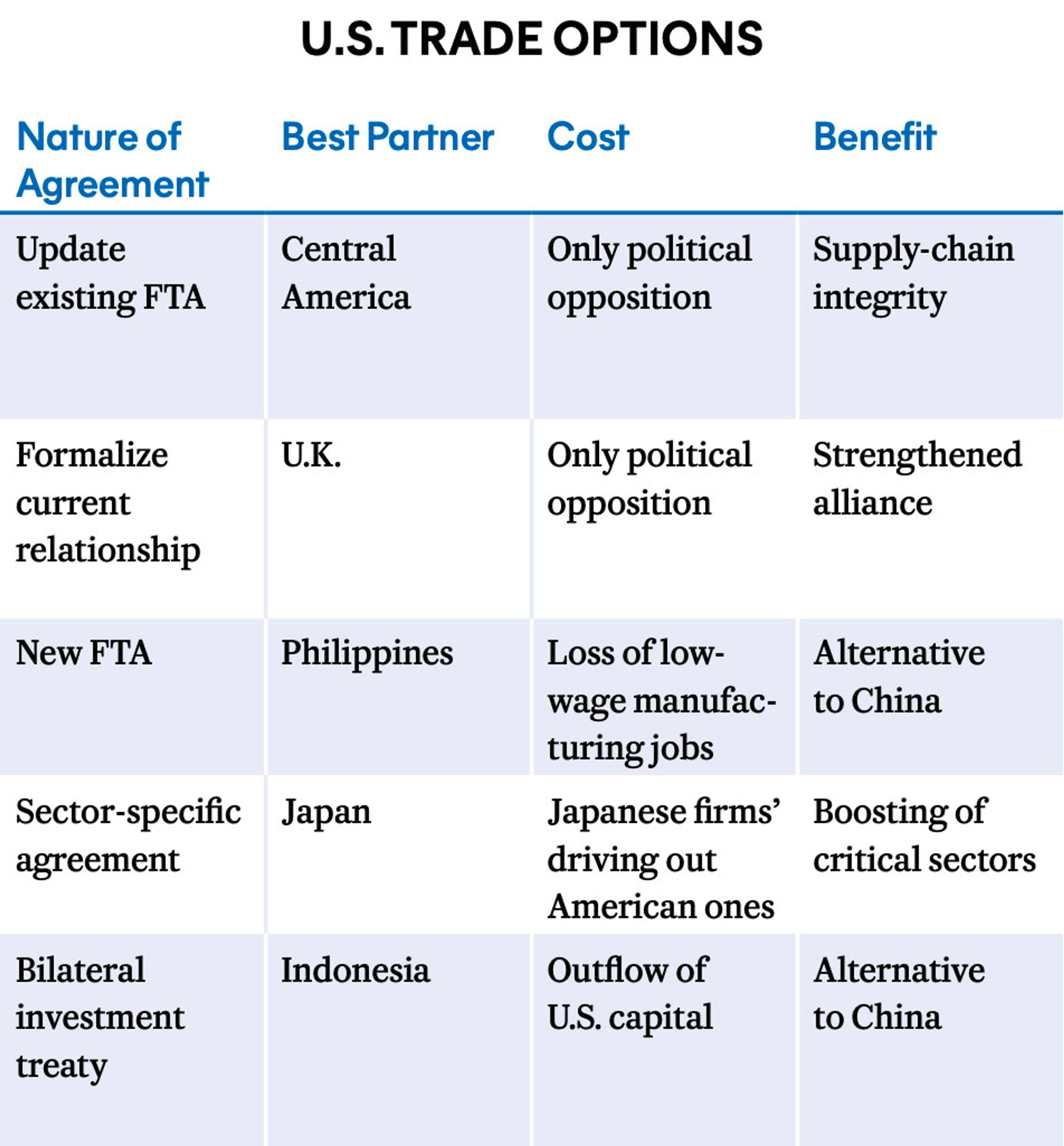
International economic agreements do not have to look like the TPP or the WTO. There are existing free-trade agreements (FTAs) that could quickly be modernized to benefit the U.S. FTAs with Central and South American countries, in particular, should be updated for the sake of near-shoring certain supply chains (especially if e-commerce rules in America’s interest are included). Updating the Australia FTA could help secure critical minerals; updating the Israel FTA could help in technology. These all would be relatively easy goals.
A notch more difficult, but only a notch, would be to establish formal FTAs that do not change the nature of an existing and already open trade and investment relationship. The obvious example is the United Kingdom. In an environment of rising global protectionism, and possibly rising American protectionism, the certainty provided by an FTA would strengthen incentives for a post-Brexit U.K. to keep China at arm’s length.
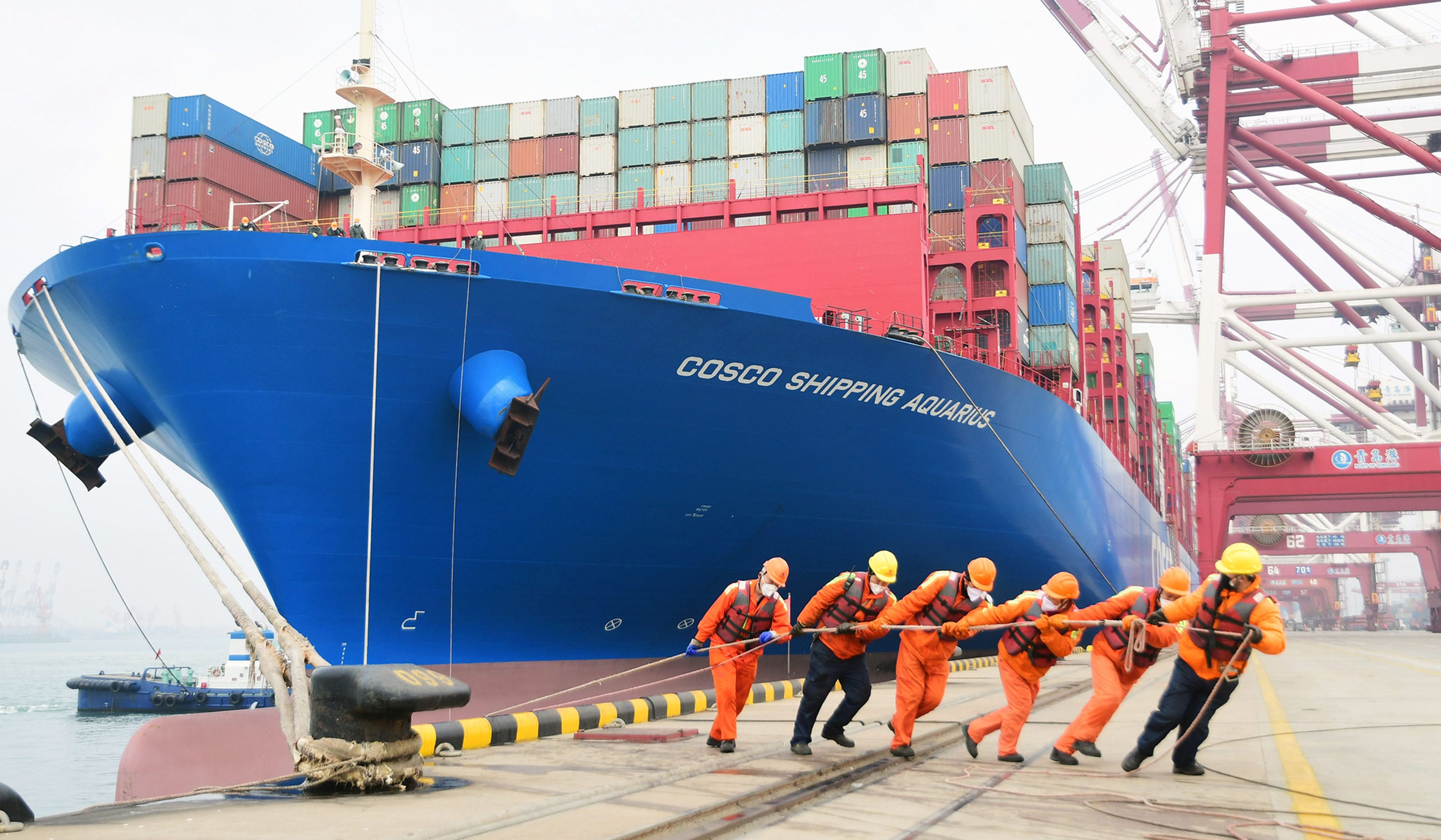
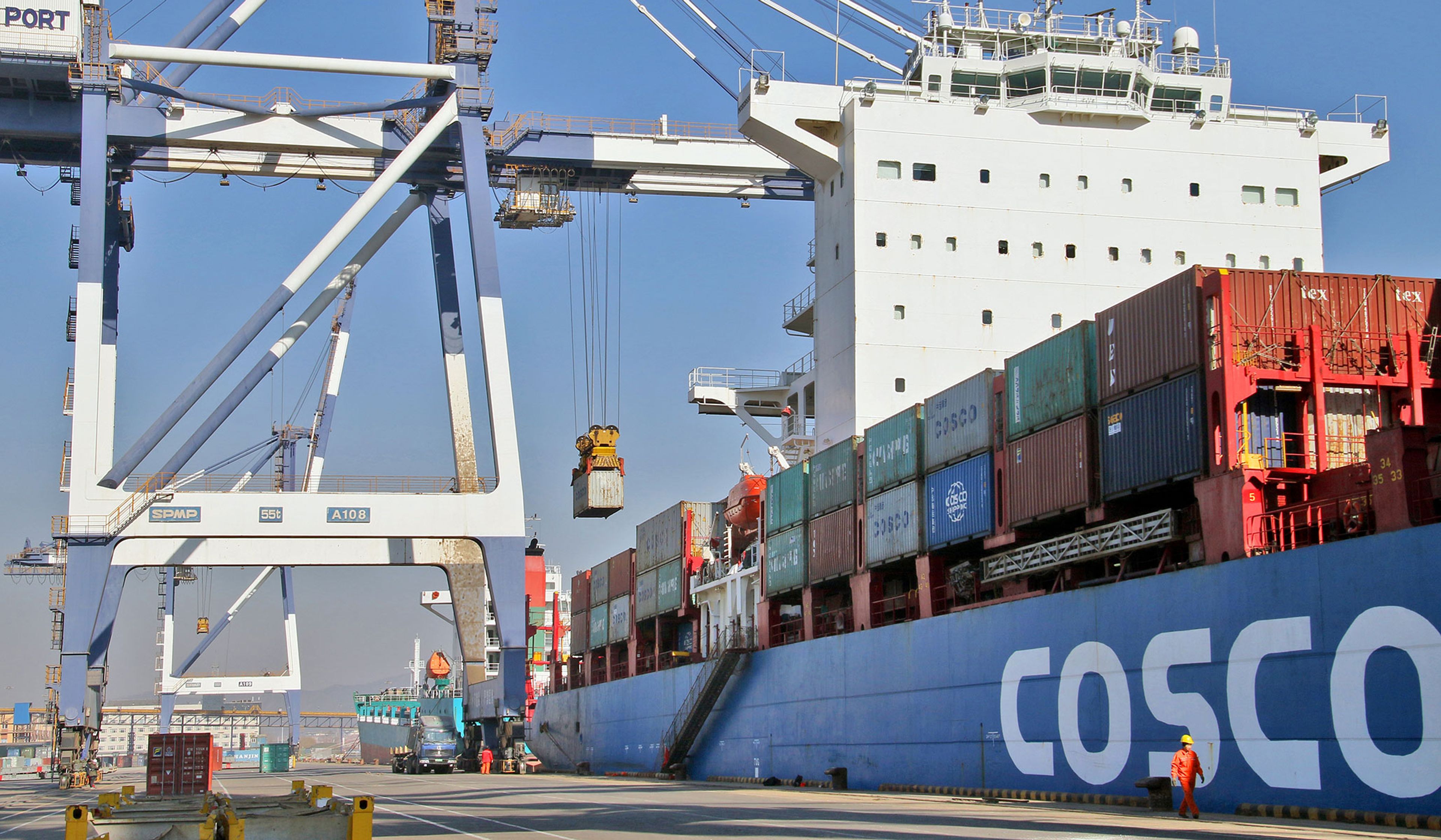
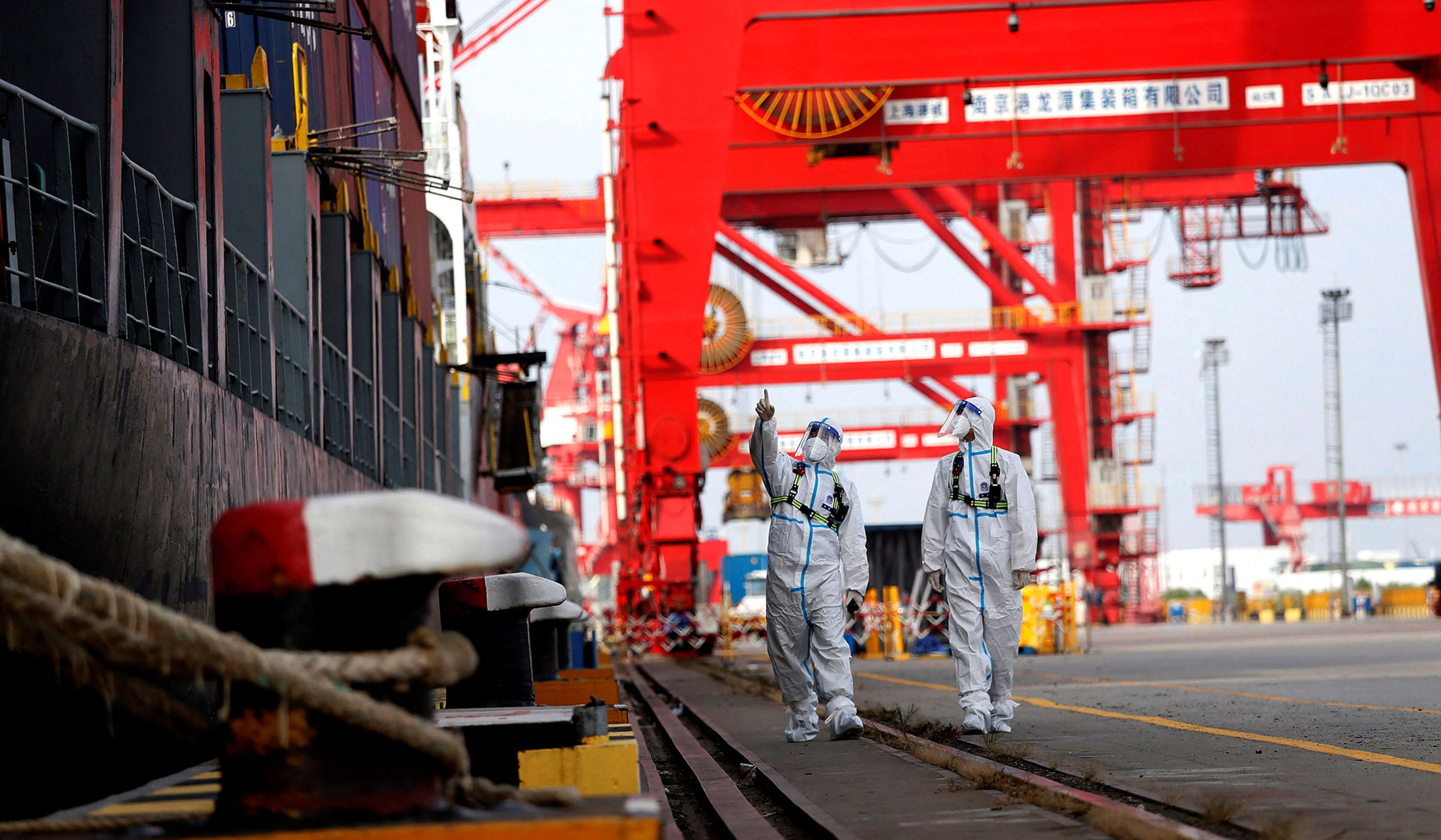
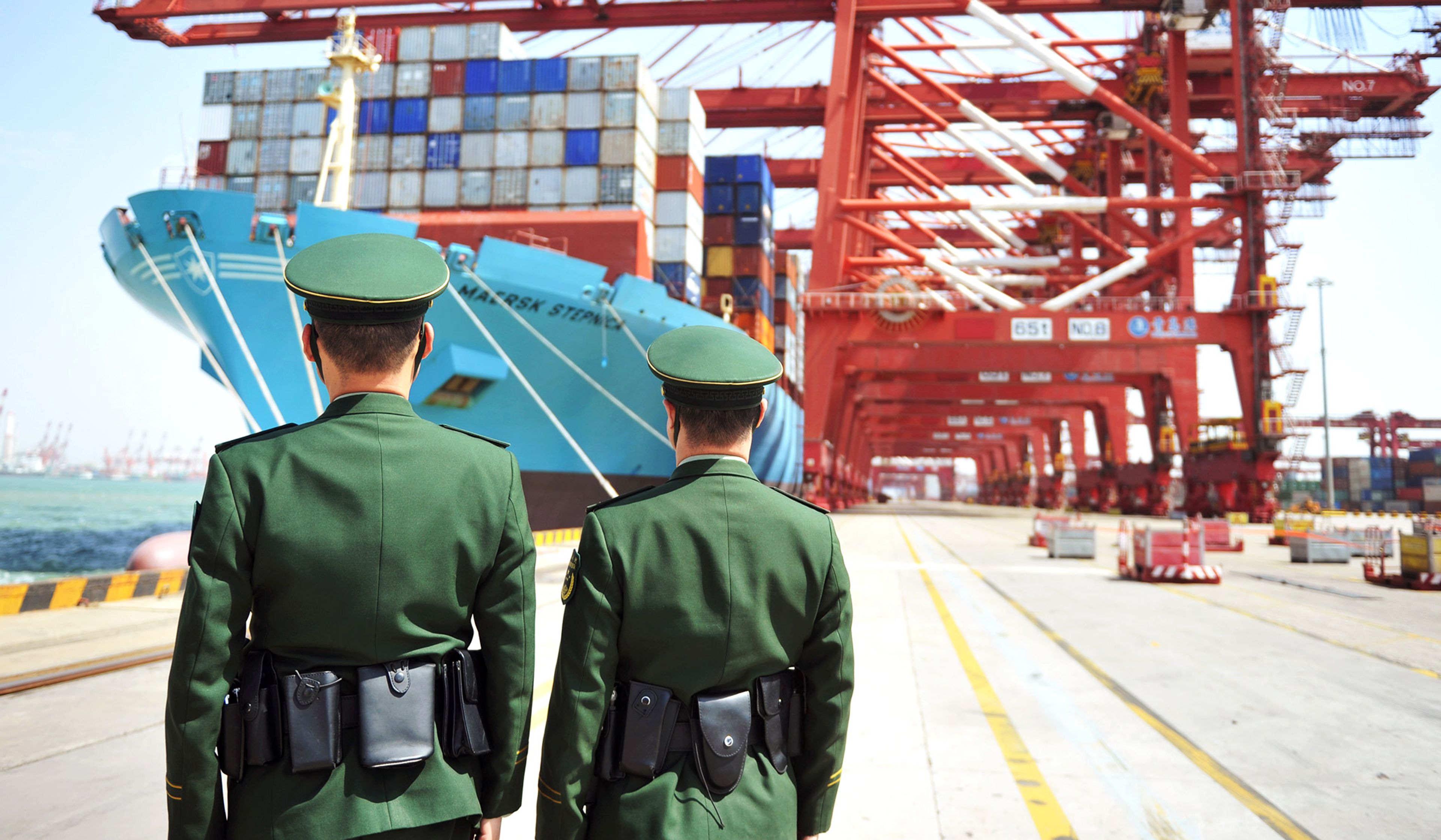
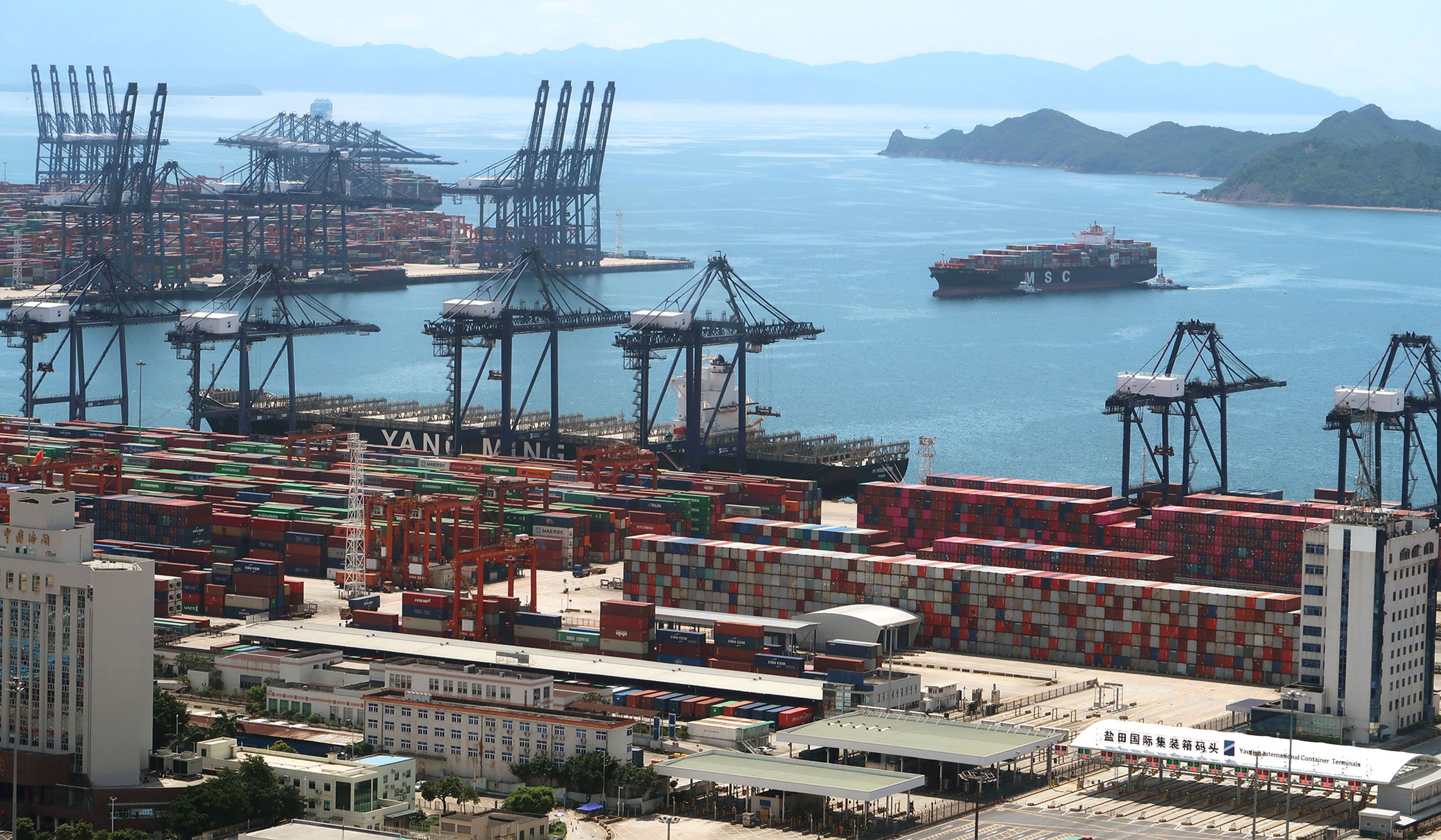
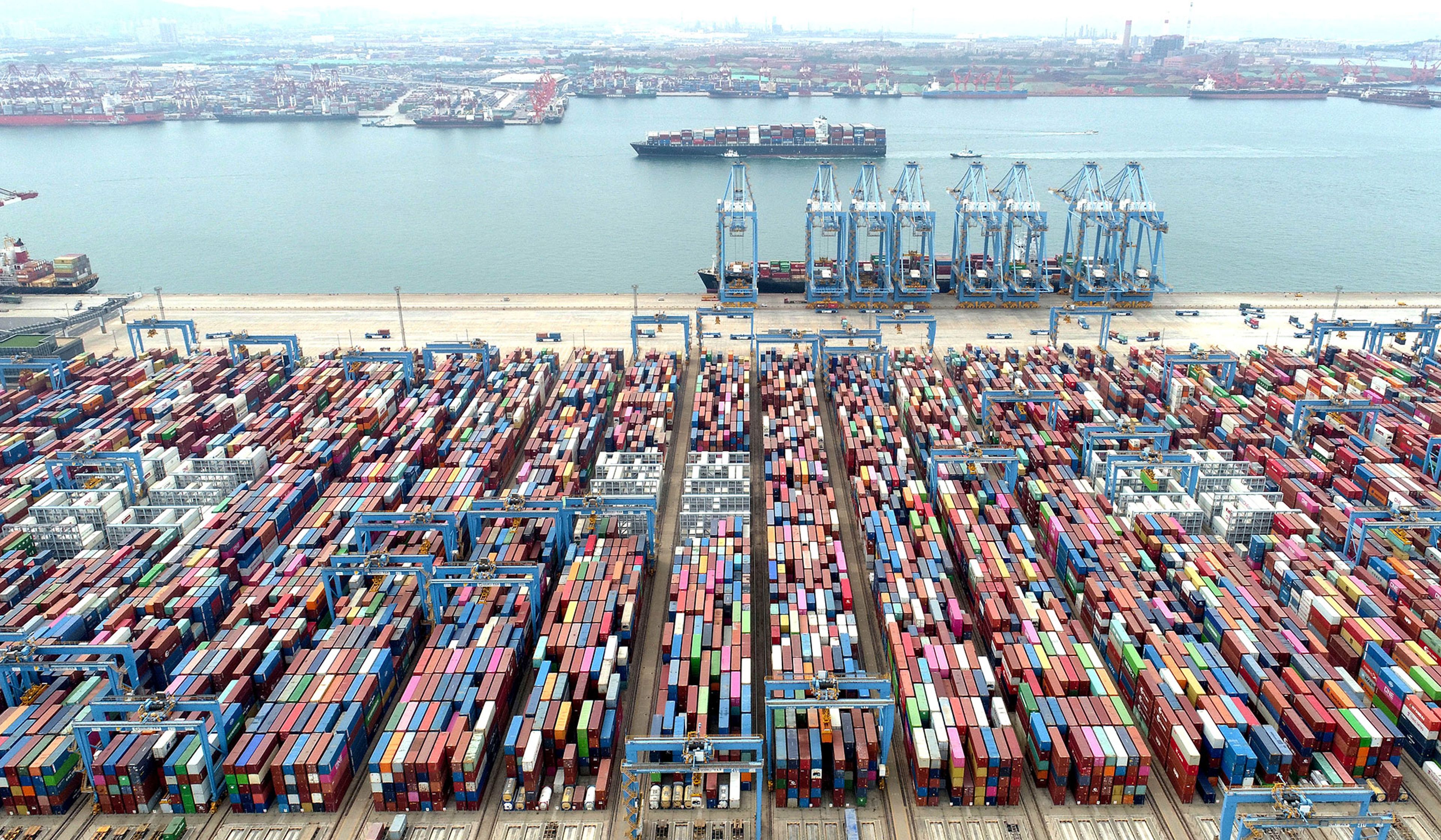
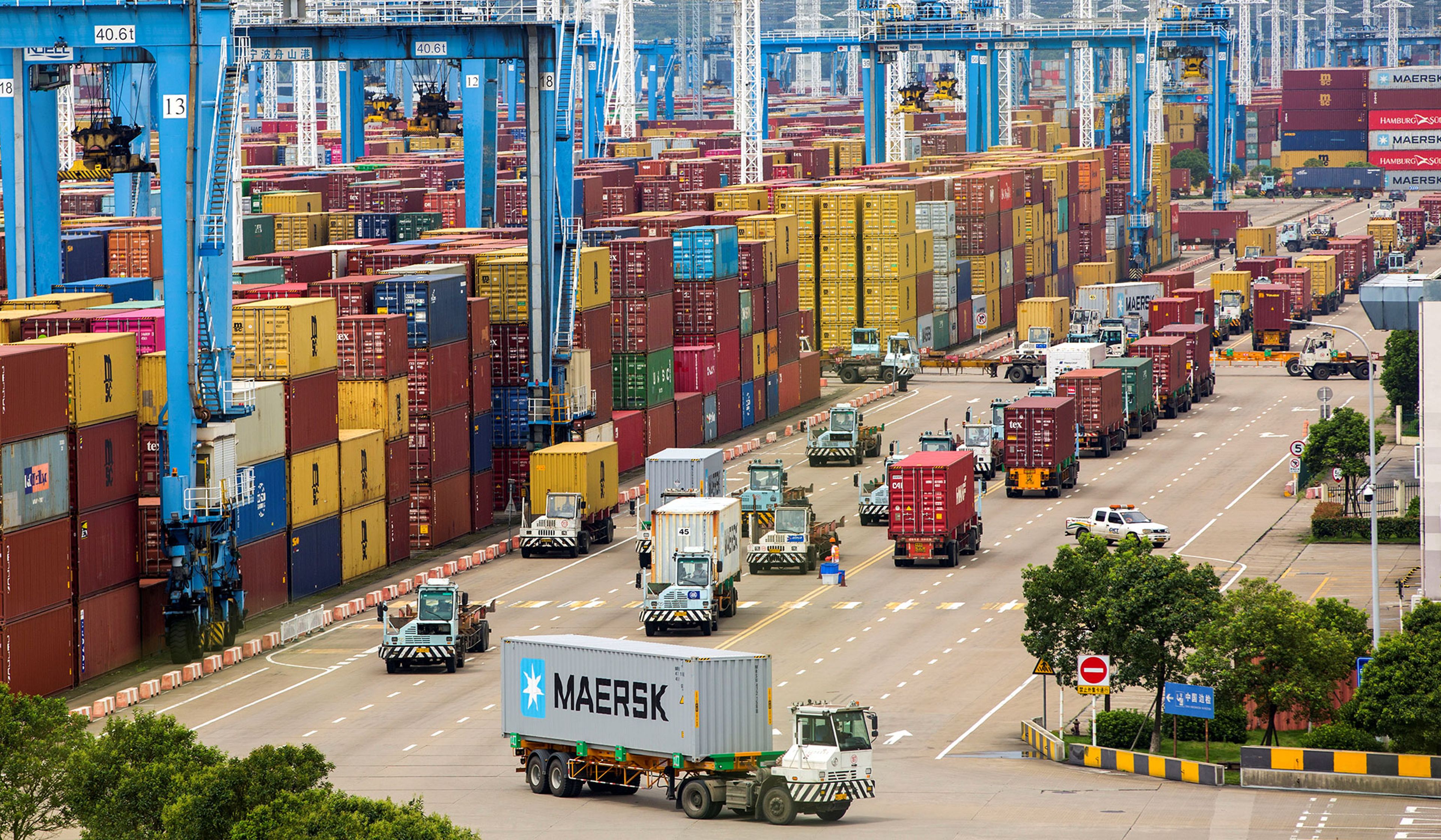
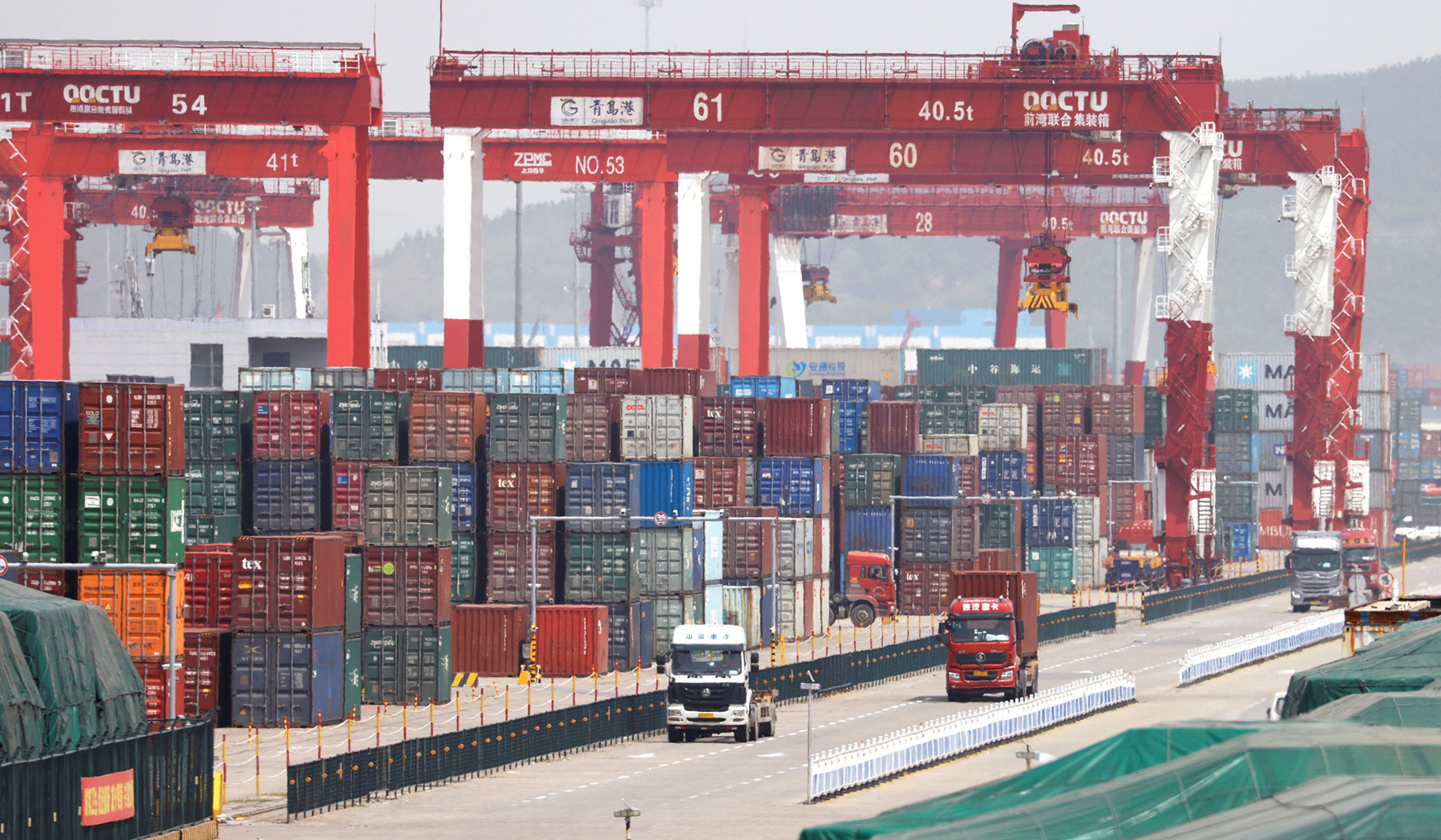
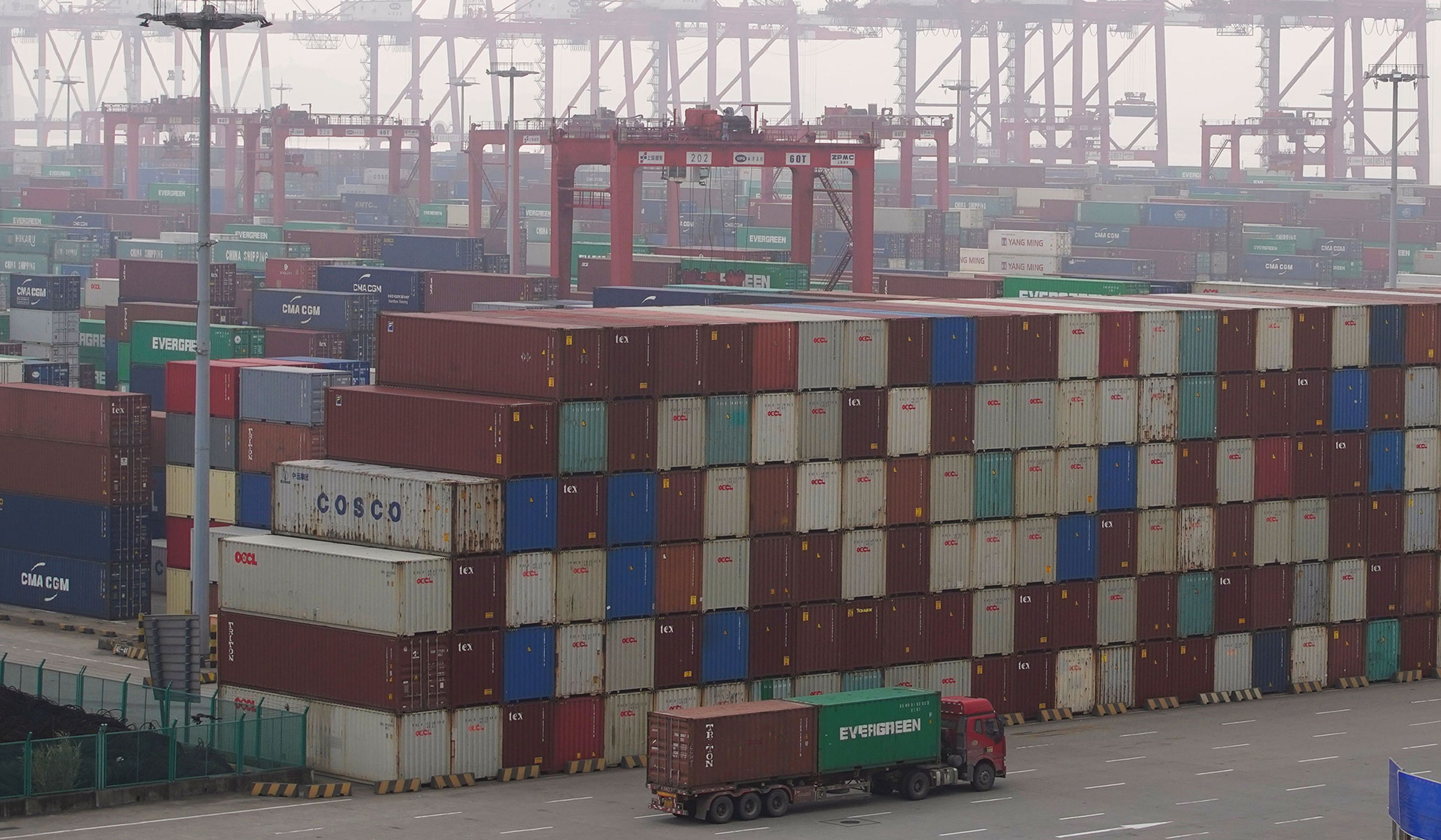
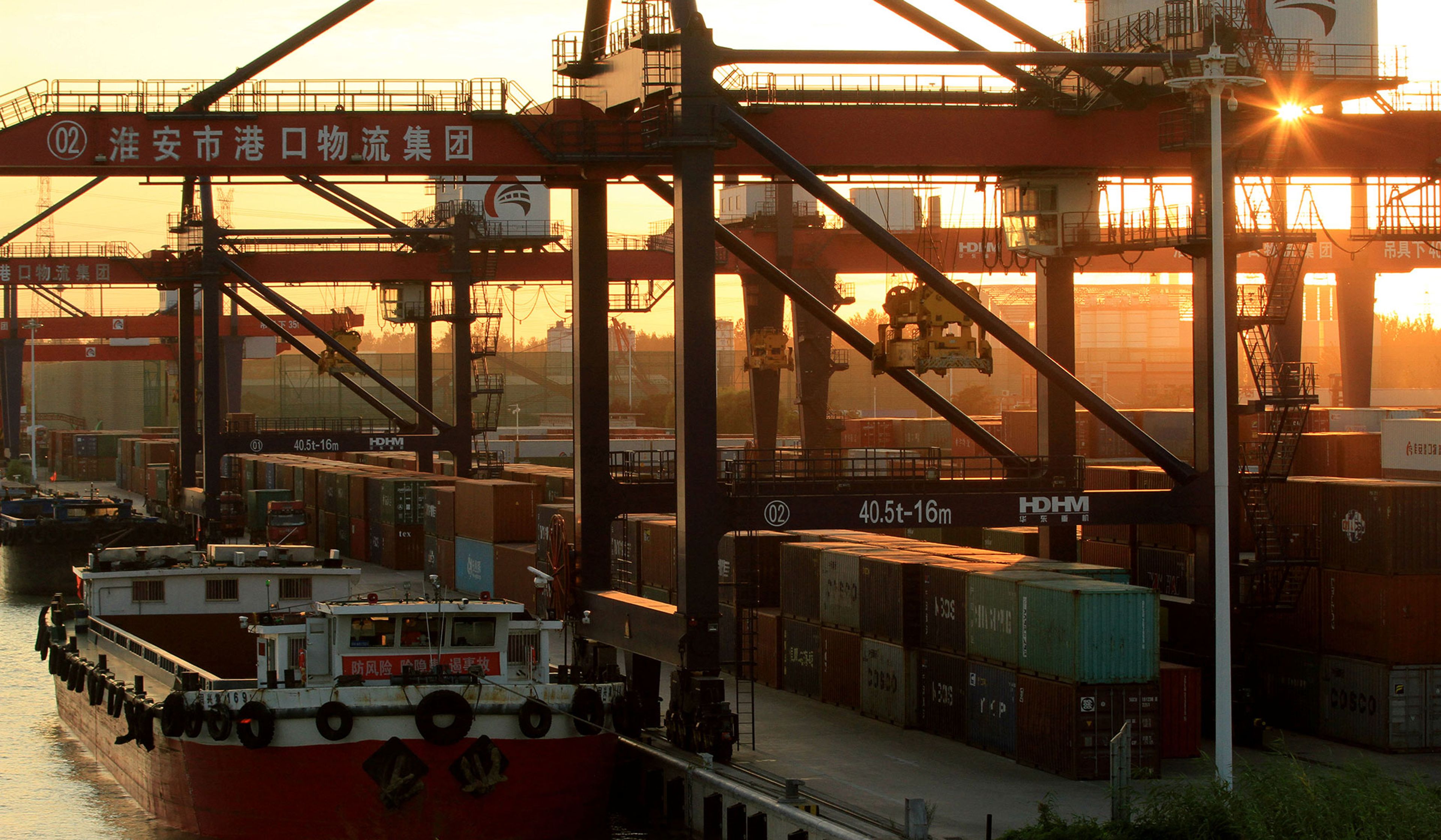
Workers rope a container ship at a port in Qingdao, Shandong Province, China, February 11, 2020.
China Daily via Reuters
A phased-in FTA with a sub-Saharan African country would have no short-term economic impact but could set high standards for future agreements with trade partners of greater economic consequence. It would also demonstrate American commitment to a region where Beijing has strategic designs.
Two other possibilities are more contentious but would provide both economic and geopolitical gains. A Taiwan FTA would frustrate Beijing’s aim of isolating Taiwan and be useful in diverting some economic activity from China — the latter reducing both Taiwanese and American dependence on the PRC. It would require greater flexibility from Taipei on agriculture, in particular its permission for Taiwanese buyers to import more American meat.
A more ambitious FTA would upgrade the current Trade and Investment Framework Agreement with the Philippines, a treaty ally that, outside the Covid year of 2020, has averaged better than 6 percent annual GDP growth since 2012 and is currently embroiled in a maritime confrontation with the PRC (as Michael Fumento discusses elsewhere in this issue). The U.S.–Philippine defense relationship is already flowering, but a trade upgrade would bind Manila tighter to Washington economically and answer criticism in East Asia that Washington offers security but it’s Beijing that brings the economic goods.
If FTAs are too daunting, the administration and Congress should consider sector-specific deals. There are major sectors in which we want a better trade partner and potential partners want greater access to the American market.
Sector agreements are already in effect on a multilateral scale, but they could also be bilateral. Countries with which FTAs are not possible might agree to narrower but still high-standard arrangements. With India, for example, pharmaceuticals are an obvious opportunity.
If it turns out that even sector agreements with low-wage countries are politically unattainable, deals could still be struck with Japan and the EU. The U.S. and Japan have, in essence, a memorandum of understanding on supply chains of critical minerals; it could be sharpened and made binding with congressional approval. The U.S. and Japan could also improve bilaterally on the terms of the existing, multilateral Information Technology Agreement, with an eye toward products such as printed circuit boards. Accords with the EU in IT and pharma could be beneficial as well.
Unfortunately, there is probably not enough political will in India and the EU to achieve useful sector agreements — in India because of protectionist impulses, and in the EU because of the time required to negotiate an agreement. Political opposition would be found also on the American side, where even an FTA with our 70-year treaty ally, the Philippines, could be nitpicked to death by trade opponents. But such critics would be missing the fact that the more the U.S. does at its own initiative, the less relevant the WTO is. Agreements with Japan and, to the extent possible, the EU would allow America to effectively or formally leave the WTO.
Another track could be to seek new bilateral investment treaties (BIT), which were popular in the 1990s. A China BIT effort in the mid 2000s was aimed at fixing errors in WTO accession, but Beijing would again have gamed it. Making it easier to finance production in China has belatedly been seen as a terrible idea.
For that very reason, it’s worthwhile to make it easier to finance production in countries that can substitute for China. Investment treaties would help achieve that goal while improving the rule of law in American counterparties (as U.S. firms frequently call for), allowing them to contrast favorably with the PRC. An Indonesian BIT, for instance, would encourage American investors to help process important local resources, fostering supply chains without Chinese participation. It would also open a few doors to a market of 273 million people.
Finally, if new deals are to receive domestic political support, it’s vital that they achieve gains in both exports and imports. As ever, the U.S. will seek improved access for its goods and services. But now it is also seeking more-reliable suppliers to replace China. This new focus on imports will, in turn, require the U.S. to rethink rules of origin. These assign the national origin of products — which may include parts and labor from more than one country — and so determine whether a product qualifies under a given trade agreement. Both the new concerns about supply-chain integrity and the reduced interest in global integration mean that rules of origin should be stricter than in past FTAs. One method, applied in the USMCA, is to require that the contribution of nonmarket economies to products be very low. Another approach would be to adopt generally tight rules of origin but loosen them for treaty allies. In any case, the old preference for loose rules of origin must be dropped.
Broadly speaking, American comparative advantages are in agriculture and innovative sectors (including services), with the latter requiring strong IP protection and, now, data treatment consistent with open markets. Even if the scope of a deal is only two sectors, partners must be willing to make substantial concessions on these issues. The size and complementarity of the partner economy — say in critical resources — also determine the size of the gains.
The economic priorities for revitalizing American trade policy should be as follows.
First, update existing FTAs with Central and South America in order to relocate supply chains and limit China’s role.
Next, extend sector arrangements with Japan. Bipartisan congressional support and proper legal status for these agreements is politically attainable and important to U.S. partners.
Third, seek a BIT with Indonesia. This would improve the bilateral relationship and encourage the use of such agreements elsewhere. If a BIT proves elusive, seek a sector agreement on mineral supply and processing, which Jakarta has already requested.
As for geopolitical goals, the U.S. should certainly not return to the 1990s, when it made many economic concessions for the sake of large security gains, which often failed to materialize. But even agreements that result in small economic benefits, such as a sector deal with Taiwan, can be worthwhile if they also bring strategic goals closer.
In general, economic agreements that facilitate decoupling in important sectors such as pharmaceuticals, new energy, and semiconductors would do the most to reduce our dependence on an adversarial power. Also vital are economically beneficial agreements that strengthen security relations with friendlier powers. These should involve Japan, Taiwan, the Philippines, and possibly India. The amount of U.S. cooperation with Indonesia should also be boosted, owing to its large population, Beijing’s intense courtship of Jakarta, and Indonesia’s critical strategic geography.
It is no coincidence that America’s international economic priorities map clearly onto strategic geography. If, along with the existing South Korea FTA, the U.S. had durable, congressionally ratified economic agreements with the four East Asian partners just mentioned, then the whole First Island Chain would be covered. De facto economic integration of the chain would significantly complement the American security posture in the region. Moreover, for Indonesia and the Philippines, a solid possibility of greater market access to the U.S. provides an incentive to improve security relations.
India trails the First Island Chain in importance. That said, economic agreements with India would still have high security value. The country is not only crucial in growing Sino–American security competition in the Indian Ocean; it’s also a potential source of pharmaceuticals, as noted above, and perhaps also of less advanced semiconductors.
Farther east, Vietnam is important for U.S. security and economic goals. It is a prime location for U.S. military access, and it could easily become an alternative producer of low-end chips.
For a third strategic arena, the U.S. should consider Europe. In case of conflict with China in the West Pacific, some European countries will be called upon to play a security role while others will be asked to isolate China economically and politically. Europe’s political weight is needed in global efforts to counter Beijing, which makes deals to lessen Europe’s dependencies on China more valuable than the economics alone would indicate.
Finally, it’s worth noting that the supply-chain gains available through upgrading trade agreements in Latin America would also offset Chinese mischief aimed at getting countries in the region to switch diplomatic recognition from Taiwan to the PRC. It would also secure key ports and military bases for the U.S.
In this era of intense strategic rivalry, a new trade agenda is required to strengthen the economies of the U.S. and its friends, lessen the dependence of America and other countries on the PRC, and incentivize closer military ties with countries along China’s periphery. American political leaders can find rationales for international economic agreements without making grandiose claims about sweeping FTAs that lead to global liberalization. Trade cannot be set aside because of past policy mistakes; it remains a much needed tool to limit the spheres in which Beijing dominates economically and politically.











Comments