LIKE most British writers, I willingly contributed to the fund to defend Salman Rushdie when Ayatollah Khomeini issued his notorious fatwa against him. But as I read The Satanic Verses, its so-called “magic realism” struck me as a cop-out from the writer’s primary task of getting at the truth of life as it is. Rushdie, I understood, is another spoiled British leftie, determined to attack the privileges he enjoys. It was disappointing that even with the round-the-clock protection provided by Mrs. Thatcher he did not have the courage to tell the Muslim fundamentalists to go to hell, but instead made a point of abasing himself with public assurances that he was a good Muslim. The principle, however, stood firm—that though one might have disagreed with him, one had to defend to the limit his right to say what he had to say.
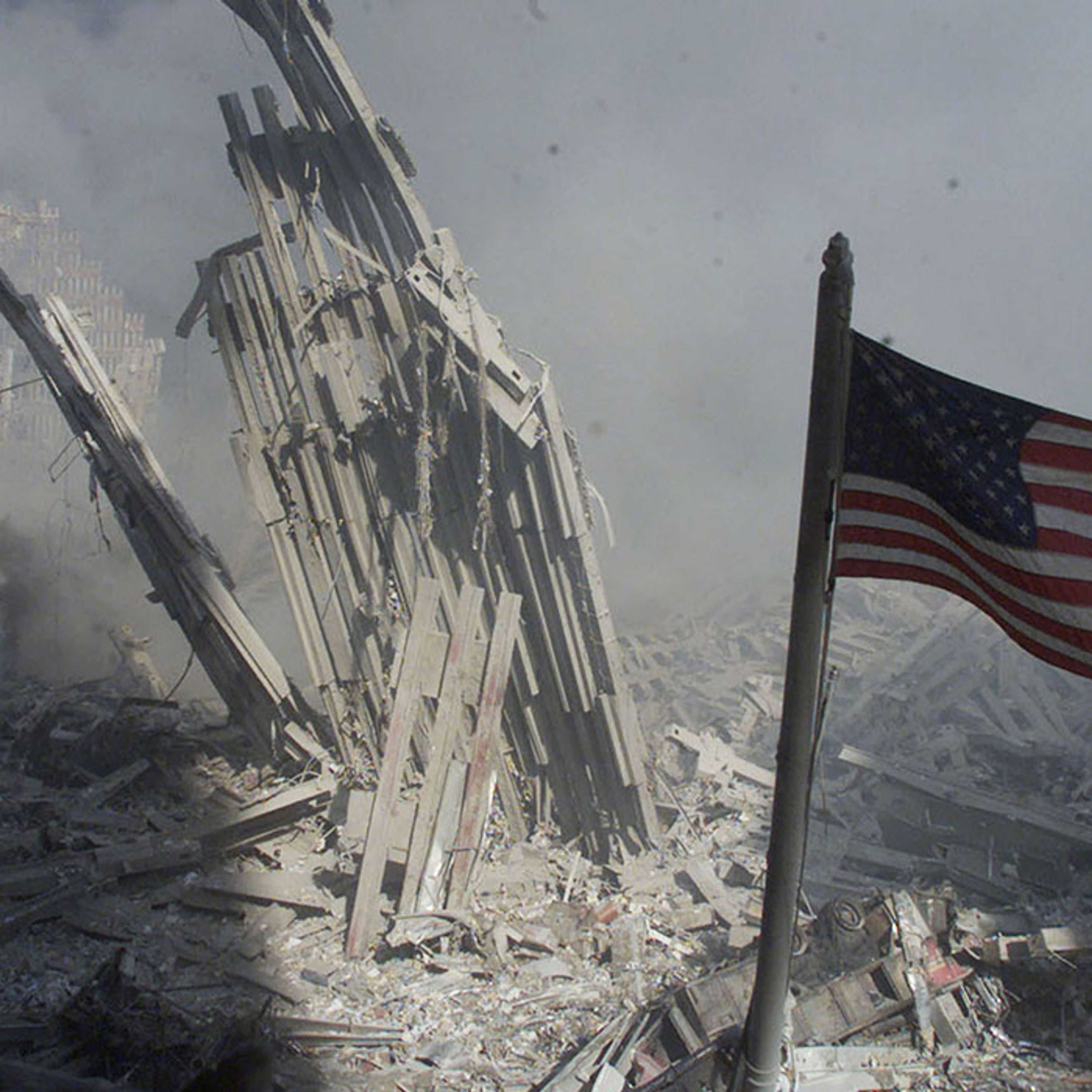
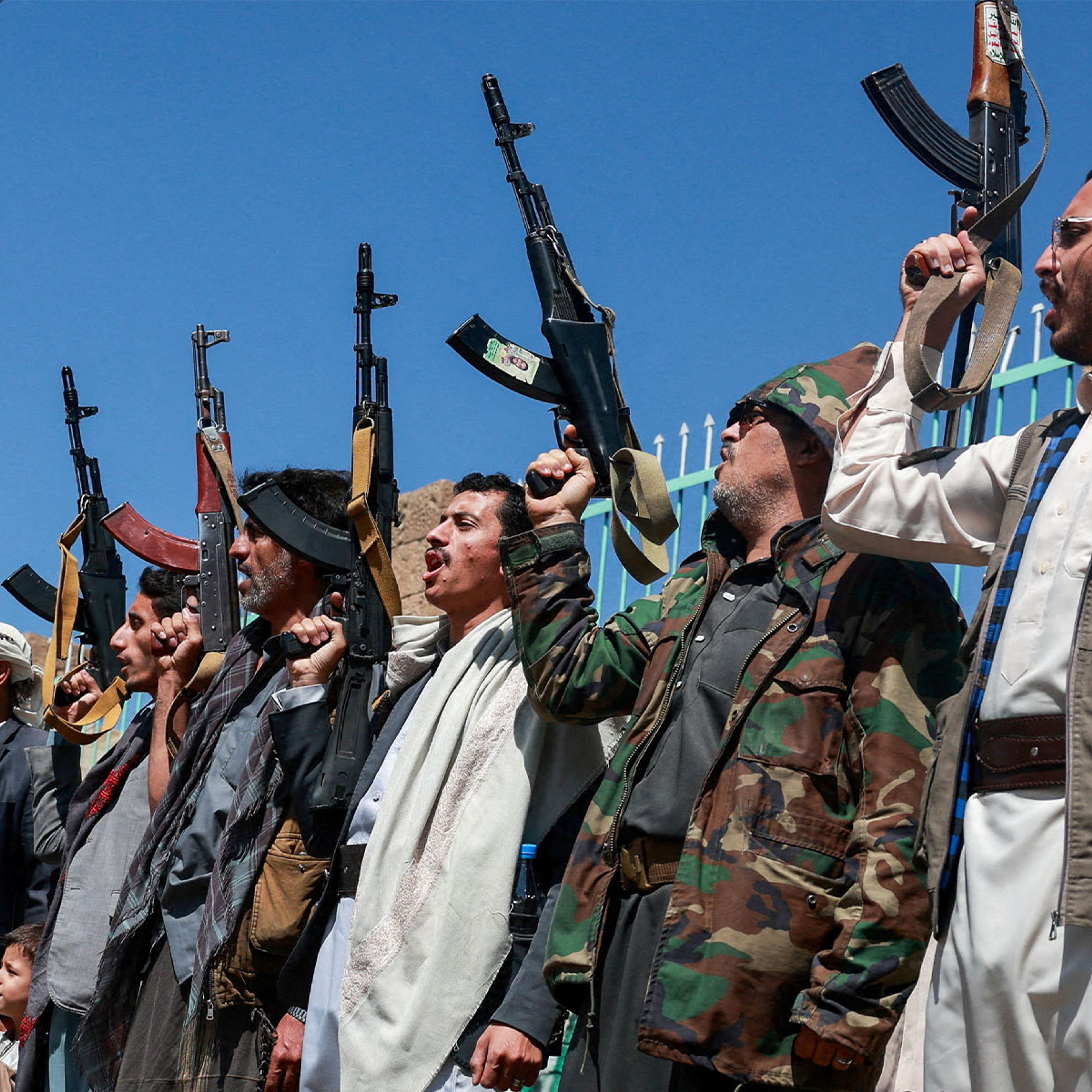
On September 11, a previously submerged campaign of Muslim terrorism against the West—and by extension free thinking everywhere—came out into the open. The campaign will have profound and long-lasting ramifications in many countries of the world, bedeviling relations between Muslims and their neighbors. India is especially vulnerable, as it has some 140 million Muslims, about the same as the entire population of Pakistan. Pakistan-backed terrorists last December attacked the Indian parliament, killing security guards and almost setting off a full-scale war. As it is, a million men are mobilized along the India-Pakistan border, with nuclear weapons in reserve. There seems no obvious way to stand these armies down. The immediate hope is to ward off war and communal massacres of a type frequently experienced since the British left India.




Comments