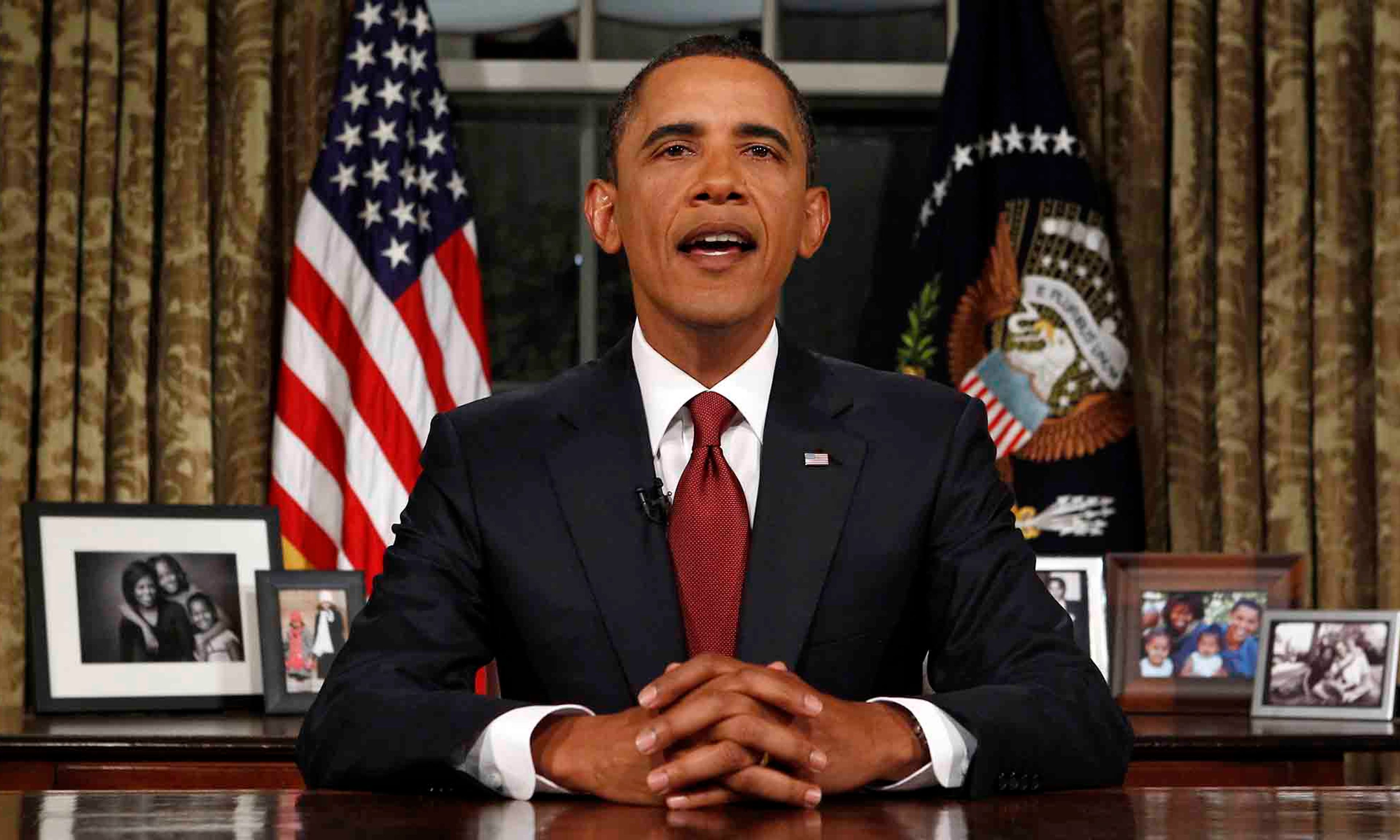
On Feb. 7, 2010, the secretary of the Treasury, Timothy Geithner, was asked whether persistent deficits put the United States in danger of losing its AAA credit rating. “Absolutely not,” he said. “That will never happen to this country.” A little over a year later it did, when the ratings agency Egan-Jones downgraded the United States to AA.
Egan-Jones, though a member of the cartel of ten credit-rating agencies recognized under federal law, is not one of the Big Three (Moody’s, Standard & Poor’s, and Fitch), and its ratings do not generate the same kind of headlines. But it is an interesting firm, and not beloved by the other agencies. One reason for that is the fact that it makes its money by charging bond investors for its information, rather than by charging bond-issuers for ratings, and makes much of this practice, accusing its competitors of having a conflict of interest built right into their business model. Further, the firm’s principal went to Congress in 2008 to accuse the ratings industry of having engaged in a race to the bottom for credit standards, which did not make him popular. In some investors’ minds, these are reasons to regard Egan-Jones as more credible than its household-name competitors. In any case, the Big Three themselves have warned that, absent a credible deal to rationalize U.S. public finances, a downgrade is likely. And their downgrades would have consequences.









Comments