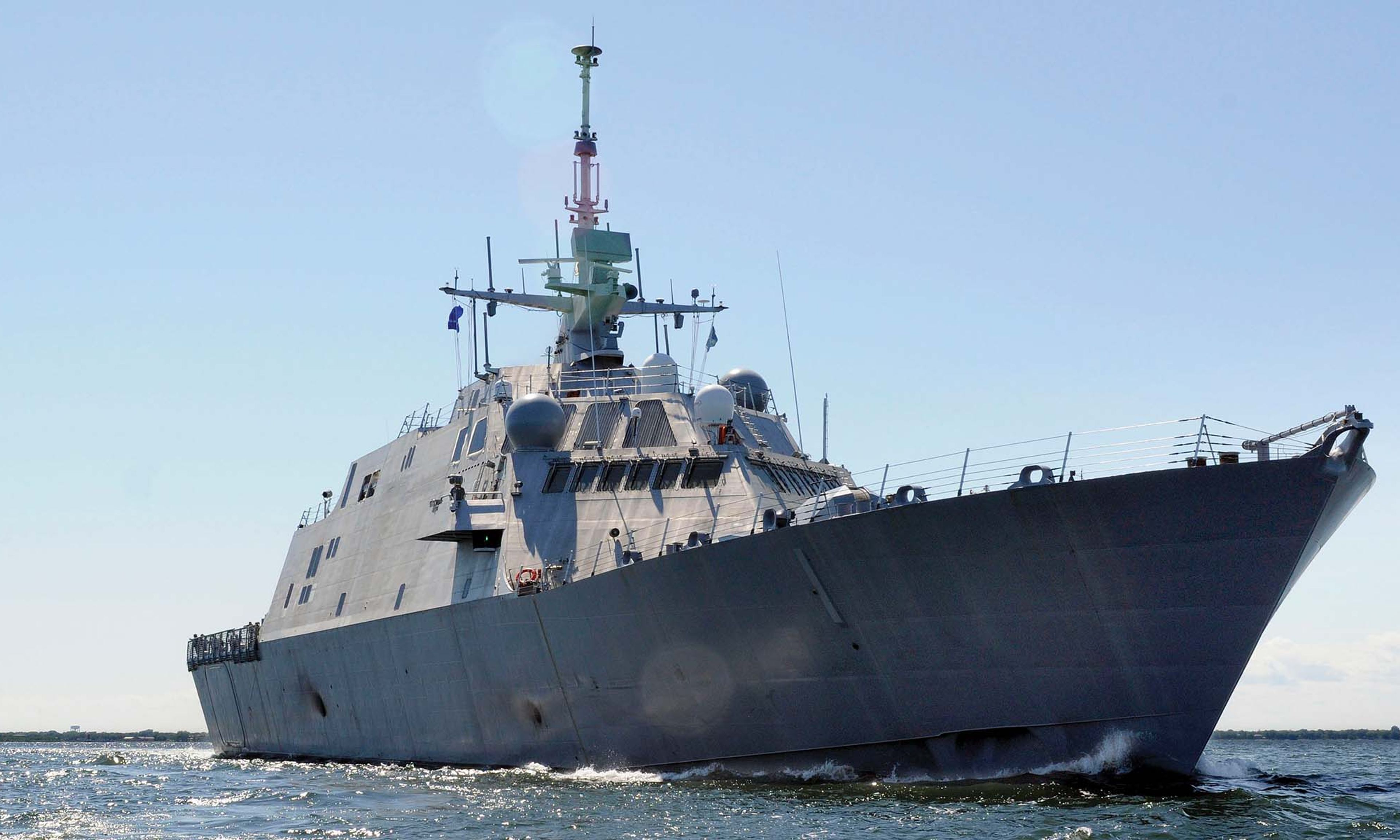
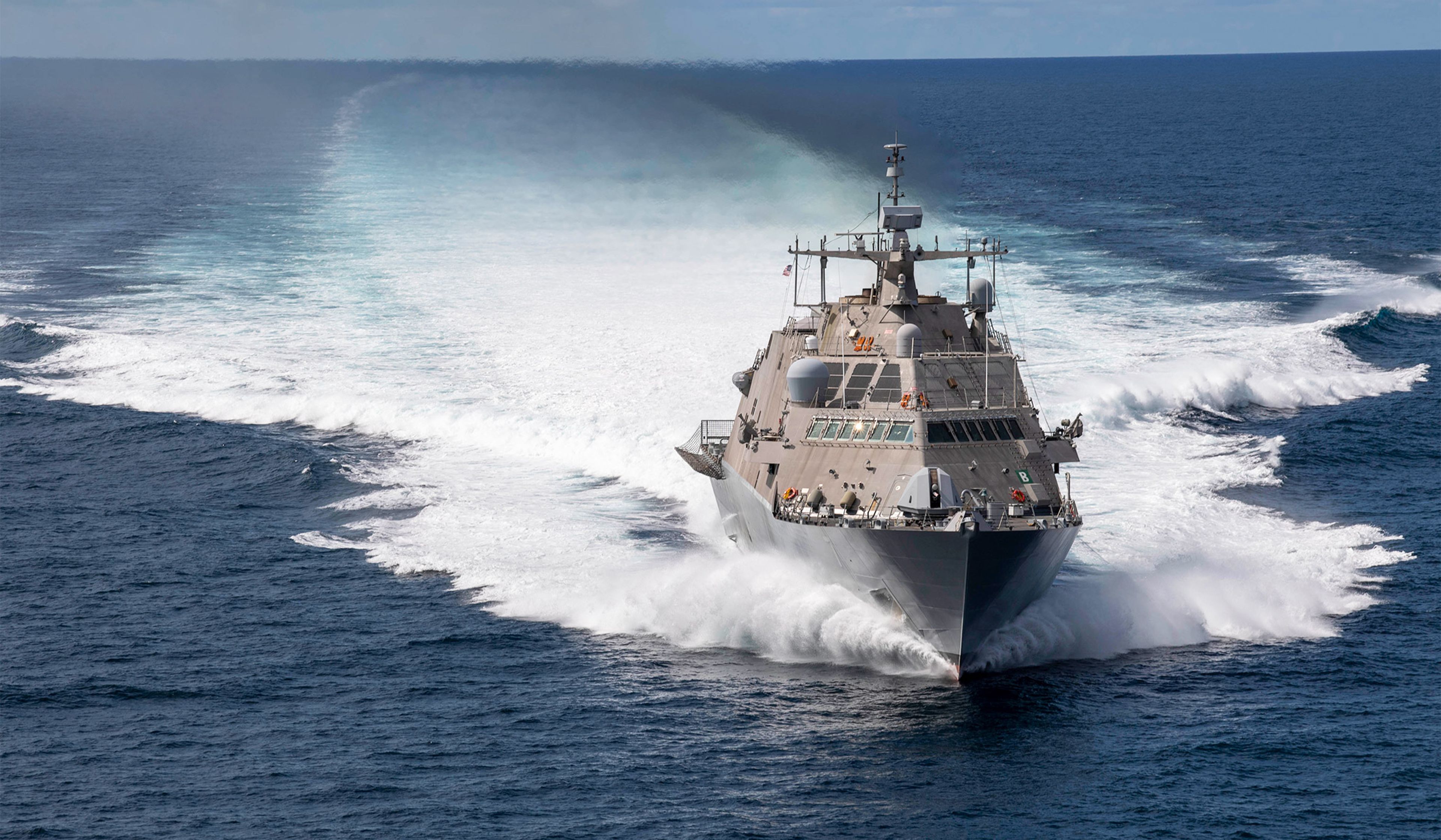
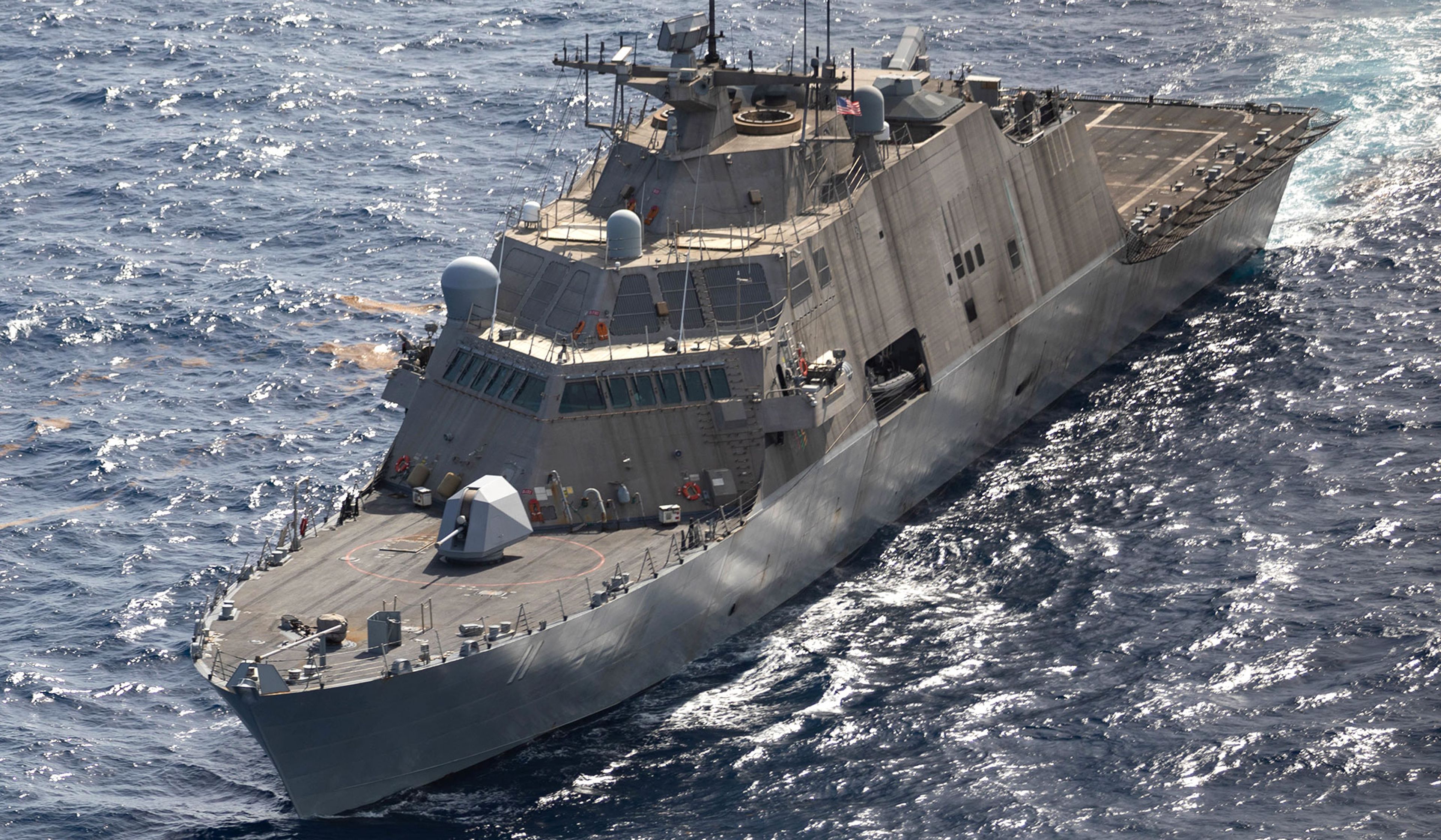
The U.S. Navy is currently dealing with the aftermath of a series of bad decisions regarding a unique category of ships within its overall force-structure design. This category — the Littoral Combat Ship (LCS) group — is composed of two distinct designs: the LCS-1 Freedom class, a steel monohull, and the LCS-2 Independence class, an aluminum trimaran (three-hulled) design, and represents a series of poor strategic assumptions, an irresponsible willingness to press the “I believe” button regarding a new generation of technologies, and an organizational culture that placed more emphasis on MBA management theory than on fleet “deckplate” leadership. These mistakes have left the modern Navy saddled with two decades’ worth of ships — some 34 hulls at present — that have experienced numerous critical design weaknesses and lack crucial mission modules. These ships are now scheduled for early decommissioning by Navy leadership as they cast about for money and manpower to build submarines and a new surface frigate that will be better suited to the challenges inherent to the great-power competition the United States finds itself in today.
The Littoral Combat Ship was conceived following the Cold War to be the low-end component of a new “21st-century family of ships” for the United States Navy. Facing no peer adversaries, and not perceiving any on the “end of history” strategic horizon, the heads of the Navy believed the service would be working in and about littoral (near-shore) environments, providing maritime support to forces ashore. The apparent operational successes in Operation Desert Storm (1990–91) and later during the breakup of Yugoslavia (1995–2000) convinced Navy and Department of Defense leaders that future operations would occur largely in permissive environments and against low-end small-state or non-state actors. Based upon these assumptions, they set about to design a Navy optimized to operate in littoral environments. The resulting ships, the Ford-class aircraft carrier, the Zumwalt-class destroyer, and the Littoral Combat Ship, were the products of these assumptions.
Each of these ships came with an additional fault hidden in its initial design: a hubristic belief that the moment had arrived when the United States could execute a significant technological “leap ahead” in ship design on par with the development of the HMS Dreadnought in 1905, a battleship that, according to legend, rendered all other existing designs obsolete with its launching.
The Ford-class carrier, which was optimized for increased sortie generation based upon a concept in which it would conduct high-tempo flight operations near the shores where the targets of its aircraft were, was designed with five major revolutionary changes. Departing from previous tried-and-true systems, the Ford was built with an electromagnetic catapult for launching planes, replacing the steam catapults that had characterized the U.S. Navy’s carriers for 50 years. It also has advanced electrical arresting gear to capture the aircraft landing back onboard the carrier, replacing the previous hydraulic-based system. The ship is also equipped with electrical elevators for aircraft and weapons and a nuclear-powered electrical backbone throughout the ship. The USS Ford, which cost nearly $15 billion, was commissioned in 2017 but, because of problems with each of its new subsystems, has yet to deploy operationally overseas.
The Zumwalt-class “land-attack destroyer” was conceived with a unique mission and a set of technical challenges of its own. The Zumwalts were designed with a stealthy, hard-to-observe profile comprising a unique “tumblehome” design and external coatings that reduced the class’s radar cross-section to that of a small fishing vessel. It was also equipped with an advanced integrated power system that could drive the ship at more than 30 knots while also supplying its computers and combat systems with nearly 80 megawatts of power. This electrical capacity was necessary because the ship was originally intended to carry two electromagnetic rail guns capable of firing projectiles at hypersonic speeds to hit targets over 200 miles away. When this system failed to mature, the decision was made to integrate two 155mm guns per ship into the class design. This decision was reversed when the Navy determined that manufacturing ammunition for the limited number of guns in the class would not be cost-effective. Currently the plan is to remove the gun mounts and use the space to carry the Navy’s new Conventional Prompt Strike hypersonic missiles. When escalating costs and technological challenges, along with a changing security environment, rendered the ship’s “land -attack” mission moot, the decision was made to truncate the class, with only three of the originally planned 32 ships being built. This leads us to the final innovative component of the “21st century” ships (the cruiser version of the “family” was canceled before construction of the first ship began): the two Littoral Combat Ship designs.
The LCS class of ship was to be small, fast, highly maneuverable, and, most important, inexpensive when compared with the multibillion -dollar-per-hull destroyers and cruisers that made up the remainder of the Navy’s surface force. The LCS platforms were to be optimized to operate against asymmetric threats in the near-shore regions of the world’s oceans. As stated previously, during the 1990s, when the Navy spent most of its operational time either in the Arabian Gulf near Iraq and Iran or in the Adriatic Sea near Yugoslavia, this made sense. The requirement for high speed (50 knots or more) drove much of the ship’s design. To keep costs down, the ships, unlike all others in the Navy, were expressly designed not to operate as multi-mission platforms. Instead, each LCS was to be equipped with a surface, anti-submarine, or mine-hunting mission module prior to its deployment and then would be limited to operating in that mode until the deployment ended or until the module was swapped out during the deployment. It was hoped that these modules would be easy to change in a “plug and play” manner.
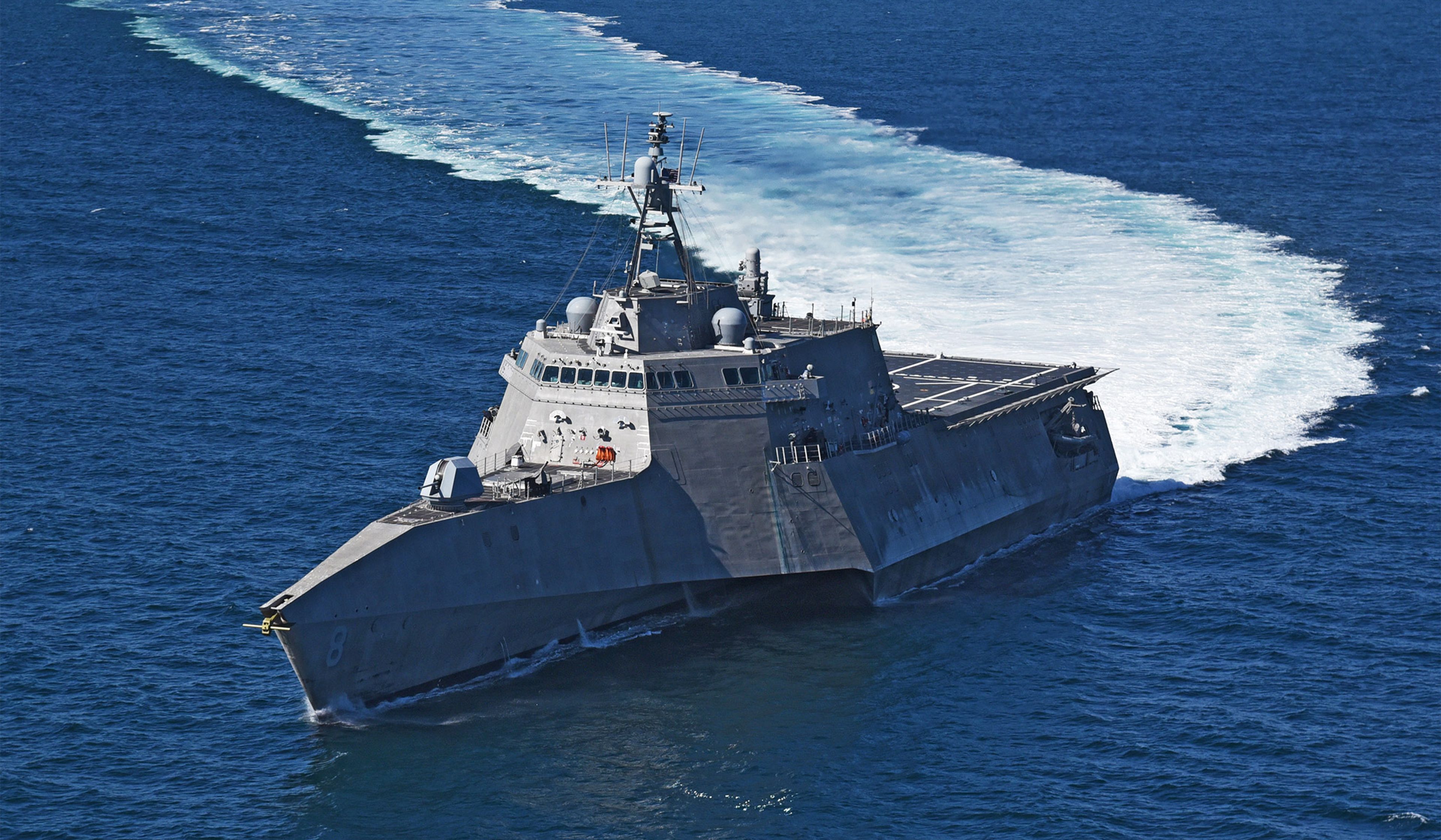
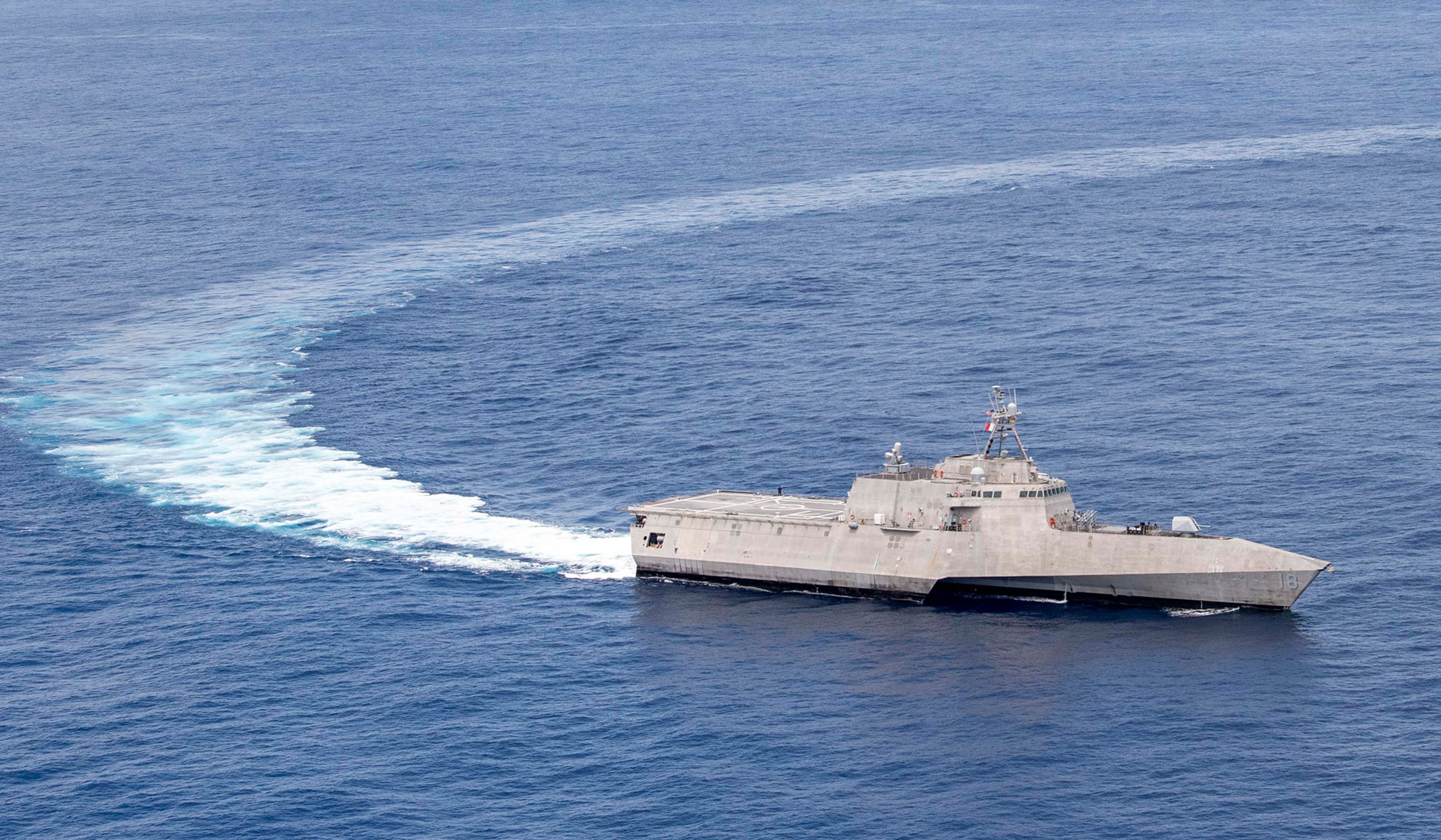
The two designs, the Lockheed Martin–designed steel monohull and the Austal USA–designed aluminum trimaran, emerged early and successfully from initial consideration, and the Navy made the decision to build two of each type to better evaluate the strengths and weaknesses of the designs. In 2010 the Navy requested permission to continue to build both designs and expressed its wish to order ten of each. They were reported to cost less than $500 million per hull, and Navy leaders argued that the two designs were better suited for different regions: The steel monohull was thought to be optimized for the enclosed waters of the Arabian Gulf, the Black Sea, the Baltic Sea, and even the Mediterranean, while the aluminum trimaran was thought to be perfect for the more expansive environs of the Pacific. Congress granted permission.
Almost immediately, problems began to accumulate. First, the training and support systems for the two ships were not similar, forcing the Navy to create separate training pipelines and logistical-support apparatuses for each class. Second, the mission systems were also not mutually supported. Third, the anti-submarine and mine-hunting mission modules lagged in their development, resulting in ships’ being built without combat systems ready to make them mission-capable. This left the Navy, which had divested many anti-submarine and mine-hunting capabilities in anticipation of the arrival of all-up LCS platforms, lacking key war-fighting capabilities. The Navy’s leadership, which had conceived the LCS in an era when management theory dominated councils of power, made the decision to continue building the ships and send them to sea, charging young commanders and their crews to figure out how to make them work. Unfortunately, no amount of management, or leadership, for that matter, could overcome the flaws hidden within each design.
Congenital flaws began to emerge as each class became operational, resulting in their being referred to as “Little Crappy Ships” in navalist blogs and even professional literature. These inherent flaws immediately began to directly degrade the ships’ operational readiness. The Freedom-class monohull design was (and still is) plagued with a problem with its combining gear — essentially the transmission for the ship, which allows it to go very fast or at more moderate speeds. The combining gear, an artifact of the ship’s original design, has failed in multiple ships within the class, forcing operational delays and expensive repairs. The Independence-class trimarans have begun to experience significant hull and superstructure cracking owing to the ship’s aluminum design. These two ship classes, designed for 25-year service lives, are being recommended by the Navy’s uniformed leadership for retirement a bare ten years after their commissionings.
The loss of these ships would drop the Navy’s battleforce from the 298 ships it has today down to somewhere in the 270-ship range for some time to come. This is tragic, given the importance of overall fleet capacity in the face of the rising Chinese threat to Taiwan and other U.S. interests in the Pacific. Congress has passed a law requiring the Navy to achieve a battleforce size of 355 ships, a goal that seems more unreachable with each passing year.
This leads us to the one apparent but still unproven success in the Navy’s shipbuilding plan, its 2017 decision to pursue a “mature” design for its new multi-mission frigate. At the end of the Cold War the Navy had over 100 frigates, a ship class capable of shifting on the fly at sea between anti-surface, anti-submarine, and convoy-escort missions. But with the retirement of the last of the Oliver Hazard Perry–class guided-missile frigates from U.S. Navy service (eight other nations still operate Perrys in their navies) in 2015, the Navy’s inventory of frigates fell to zero. In 2020 the Navy announced that it had selected the European multi-mission-frigate design, which is currently operated by four other nations, for modification and construction in the United States. Currently ten ships are planned, but there are clear indications that the number of Constellation-class frigates (as the category has been named) will grow considerably. These ships, built with a proven hull, engineering plant, and electrical system, will be integrated with American-designed radars, missiles, and combat-integration systems, and thus be able to shift between local air defense, anti-surface, anti-submarine, and convoy-escort duties. The Constellation-class frigates could well serve as the central pillar of the Navy’s surface fleet over the next several decades.
The new Constellation-class frigates will both provide peacetime presence and serve to interdict commercial sea lines of communications during wartime, even as the Navy’s high-end attack submarines carry out offensive operations and power-projection missions deep inside enemy waters. While it would be good to find ways to extend the lives of and make operational the LCS platforms that have been built over the past two decades, the Navy’s new frigates, along with the advanced Virginia-class fast attack submarines, will represent the modern balanced fleet that will give national policy-makers the confidence to maintain American interests in both peace and war. The previously conceived “21st-century family of ships,” expected to include the Littoral Combat Ships, will soon be forgotten artifacts of a hubristic past.
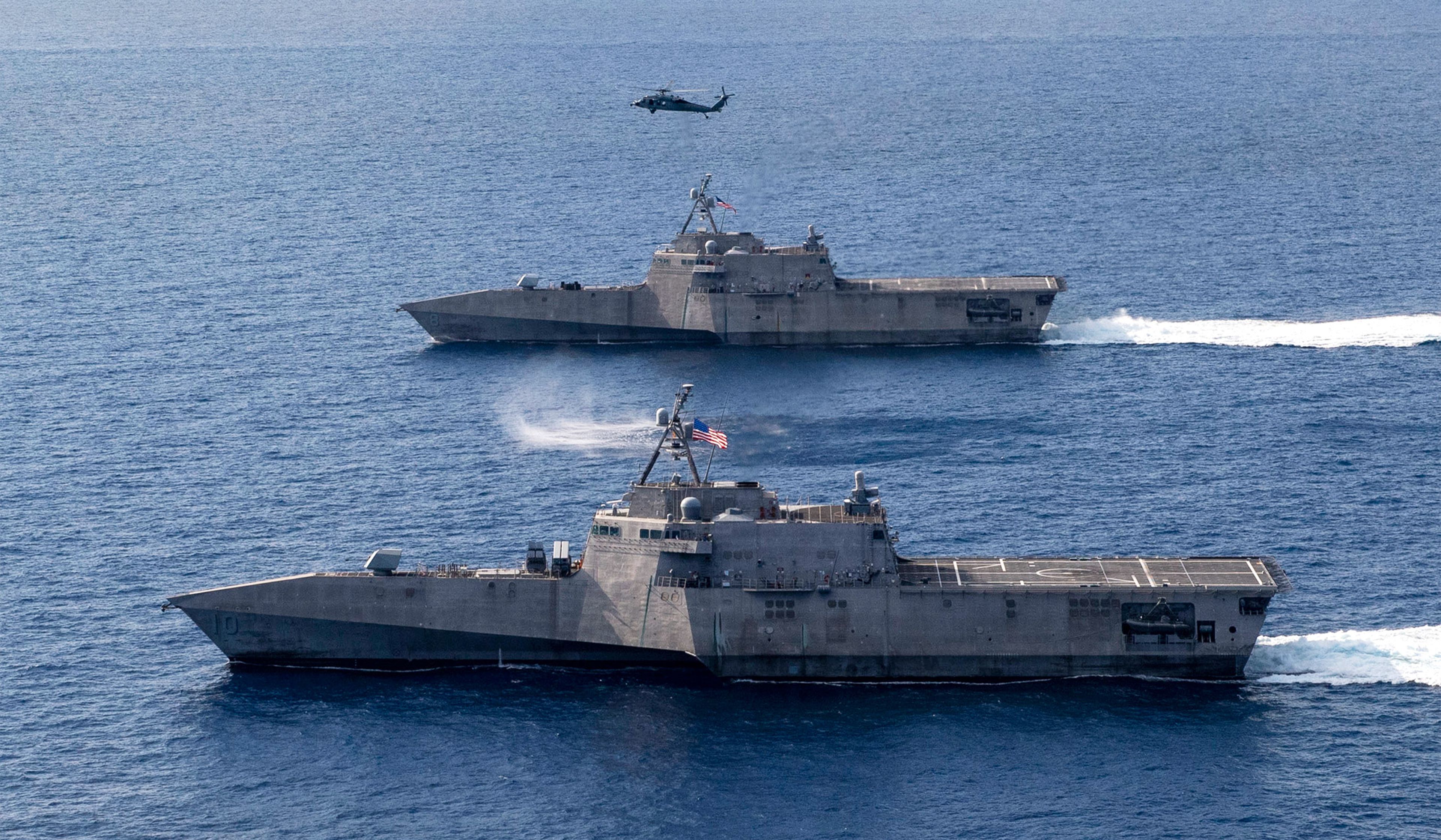
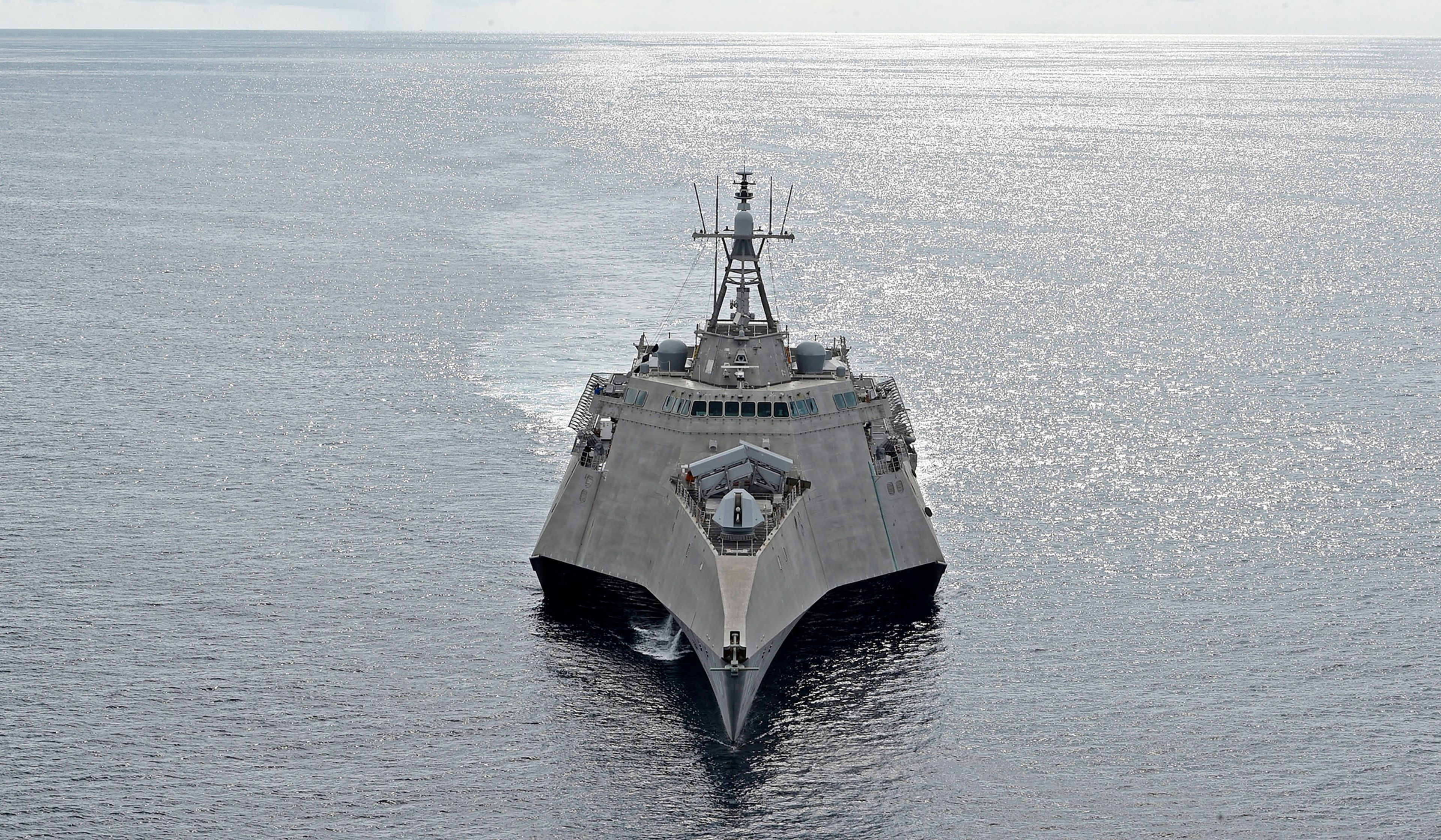
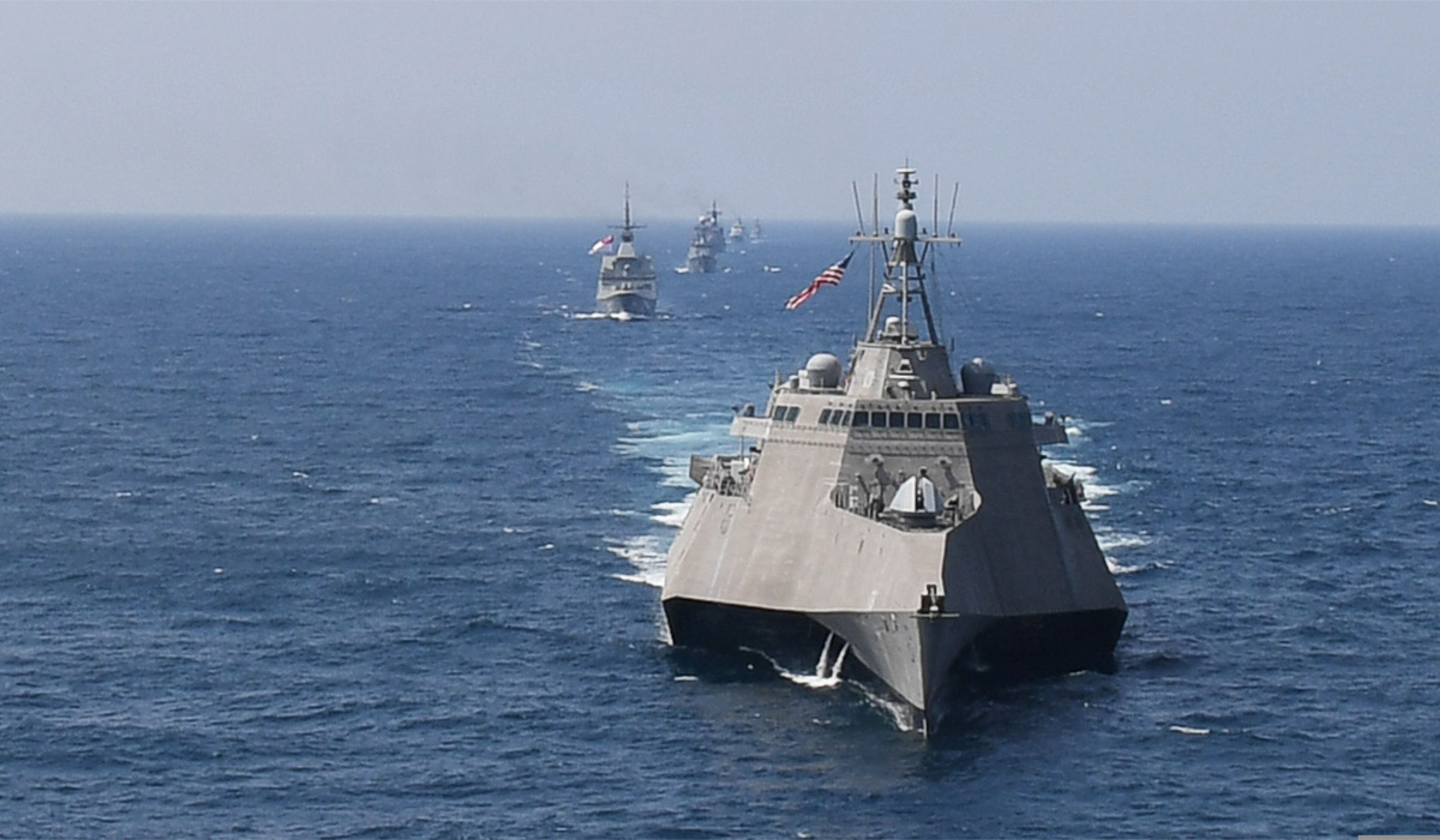
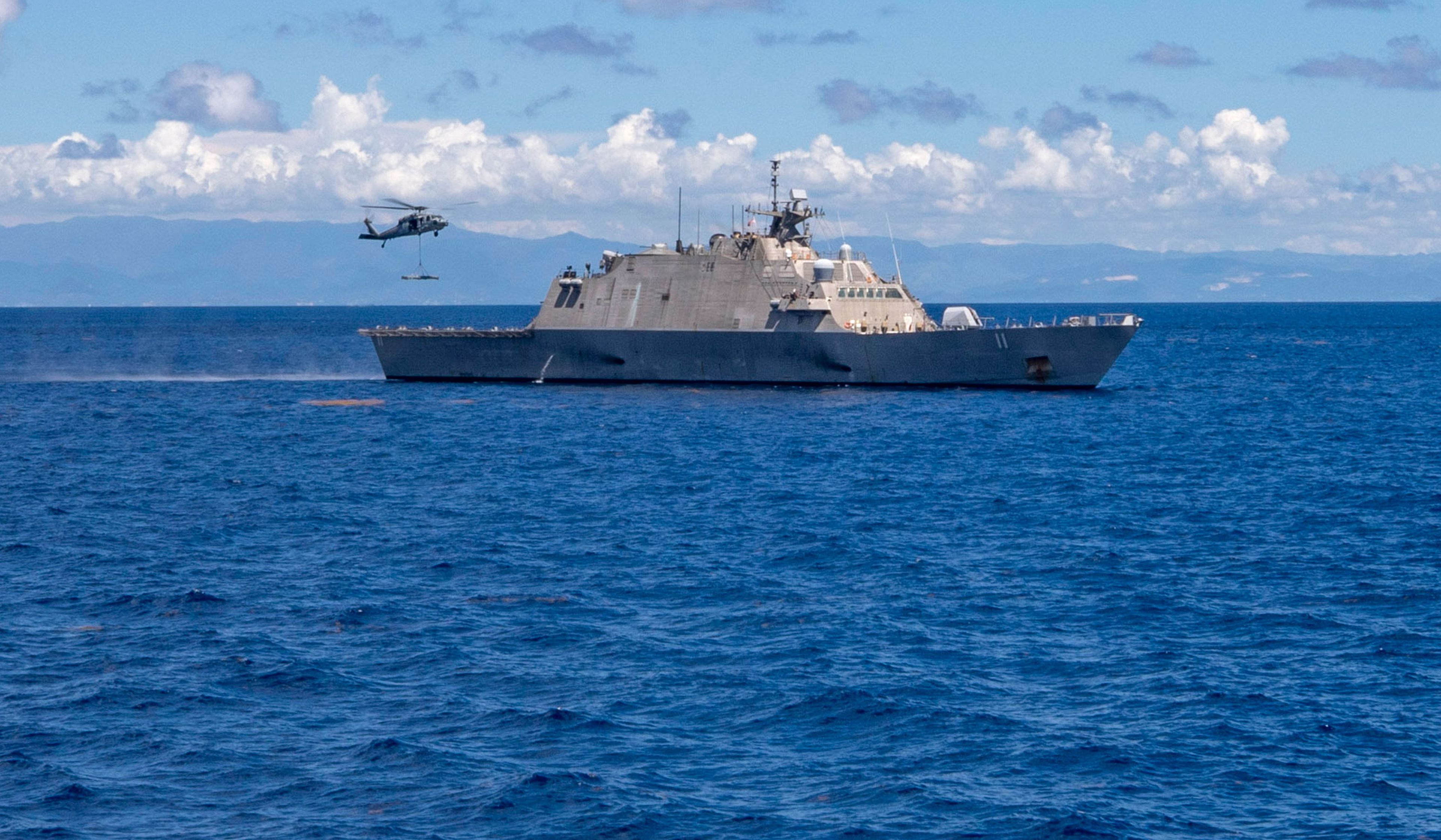
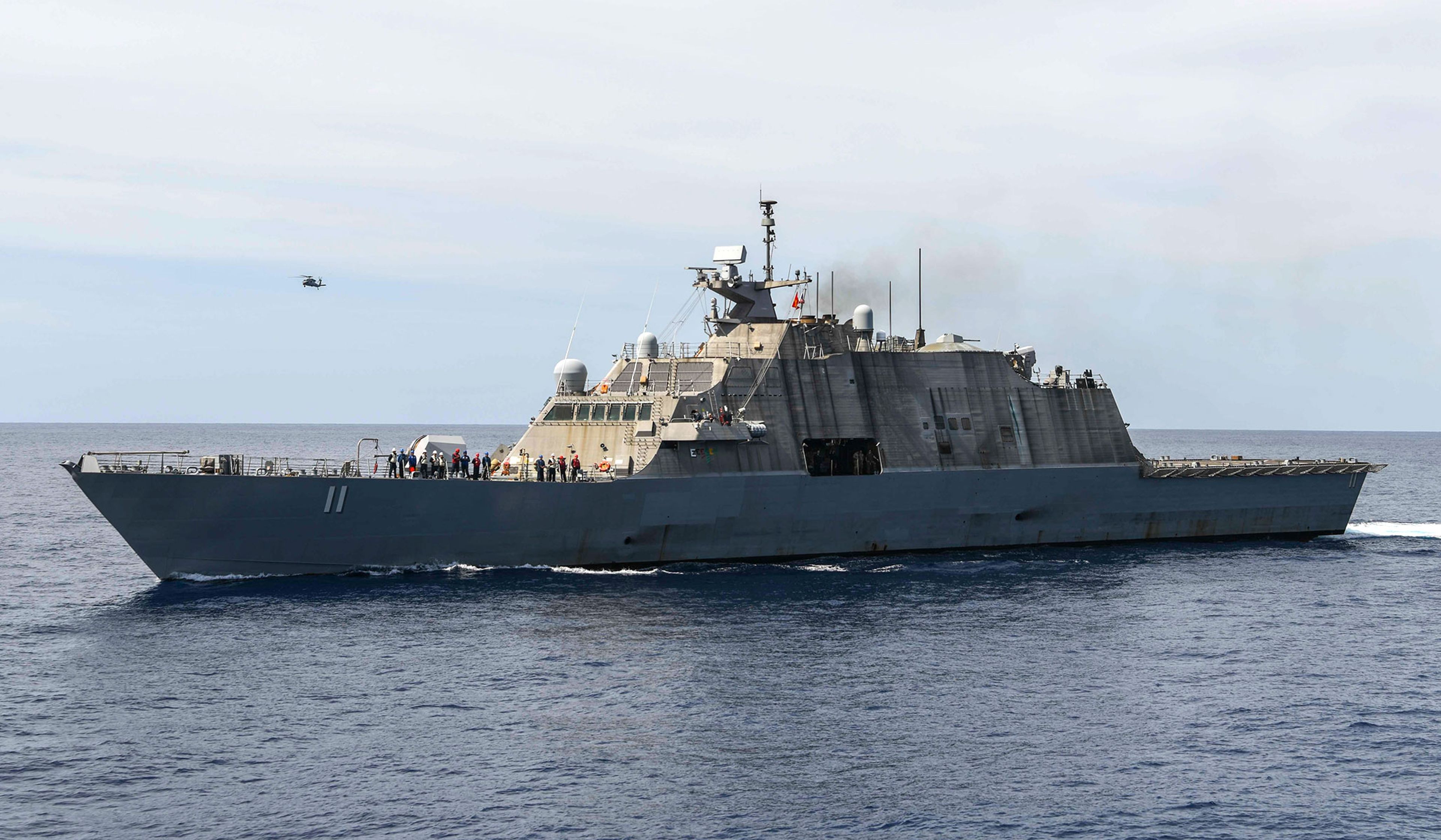
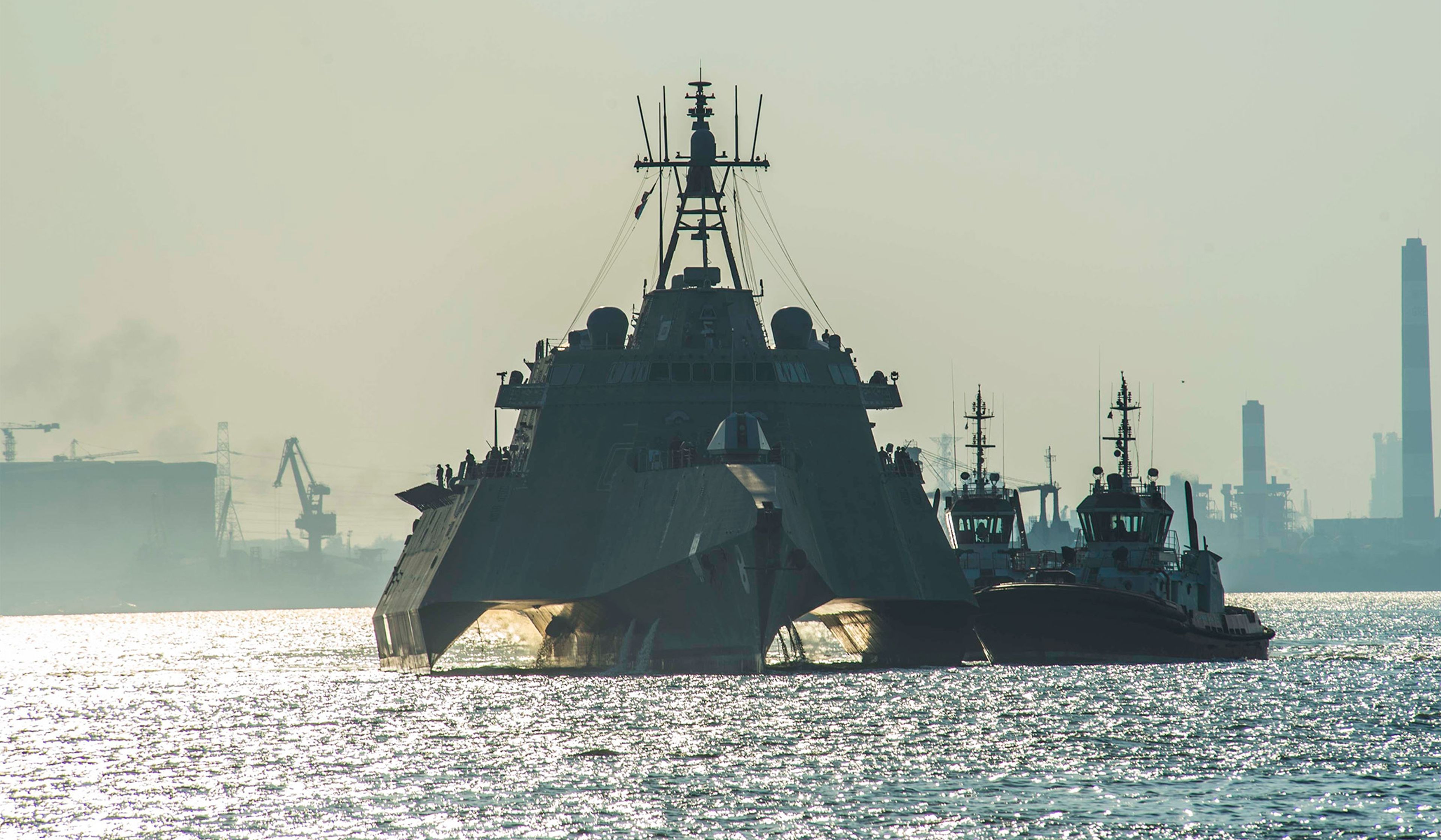
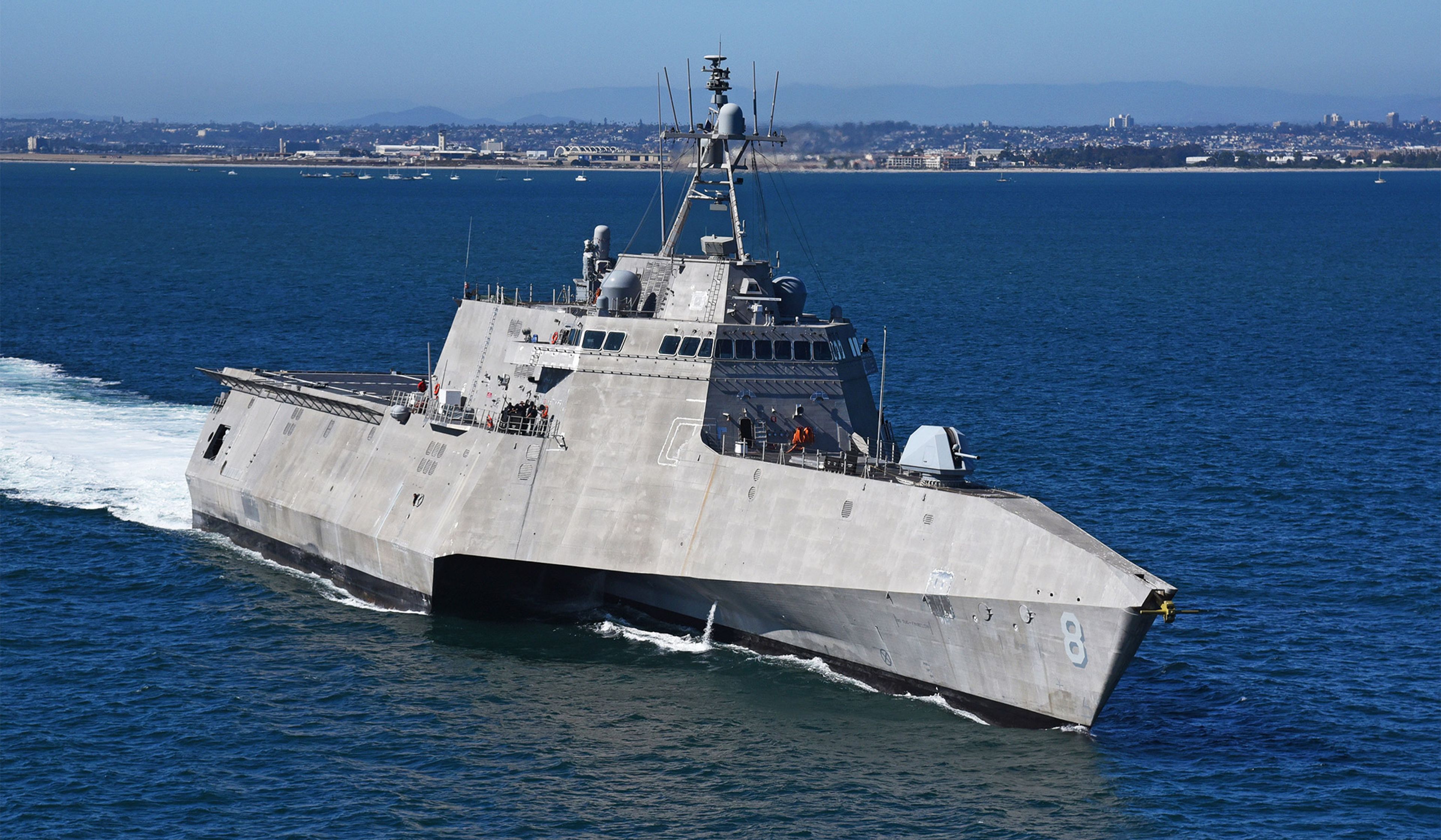
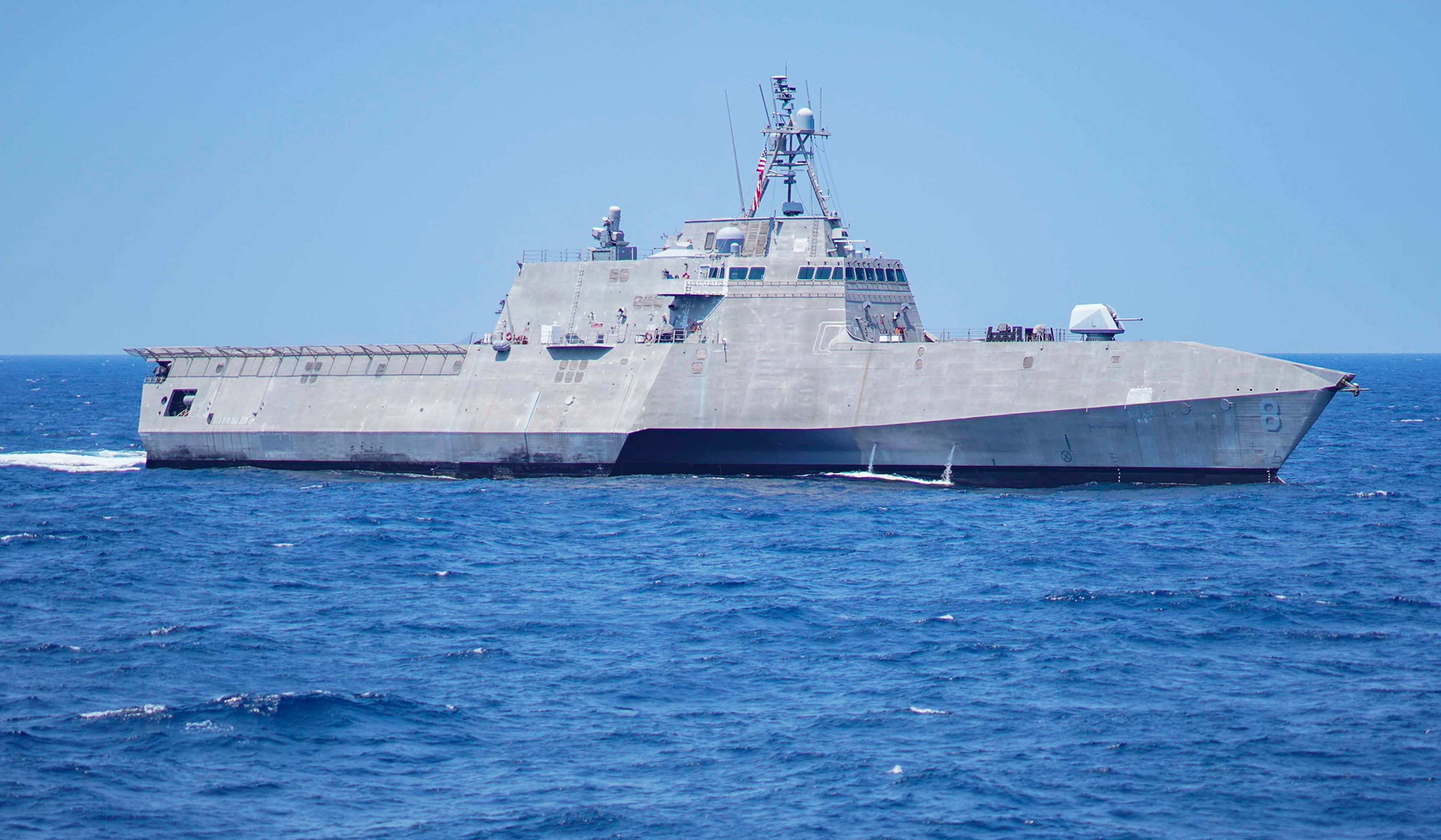
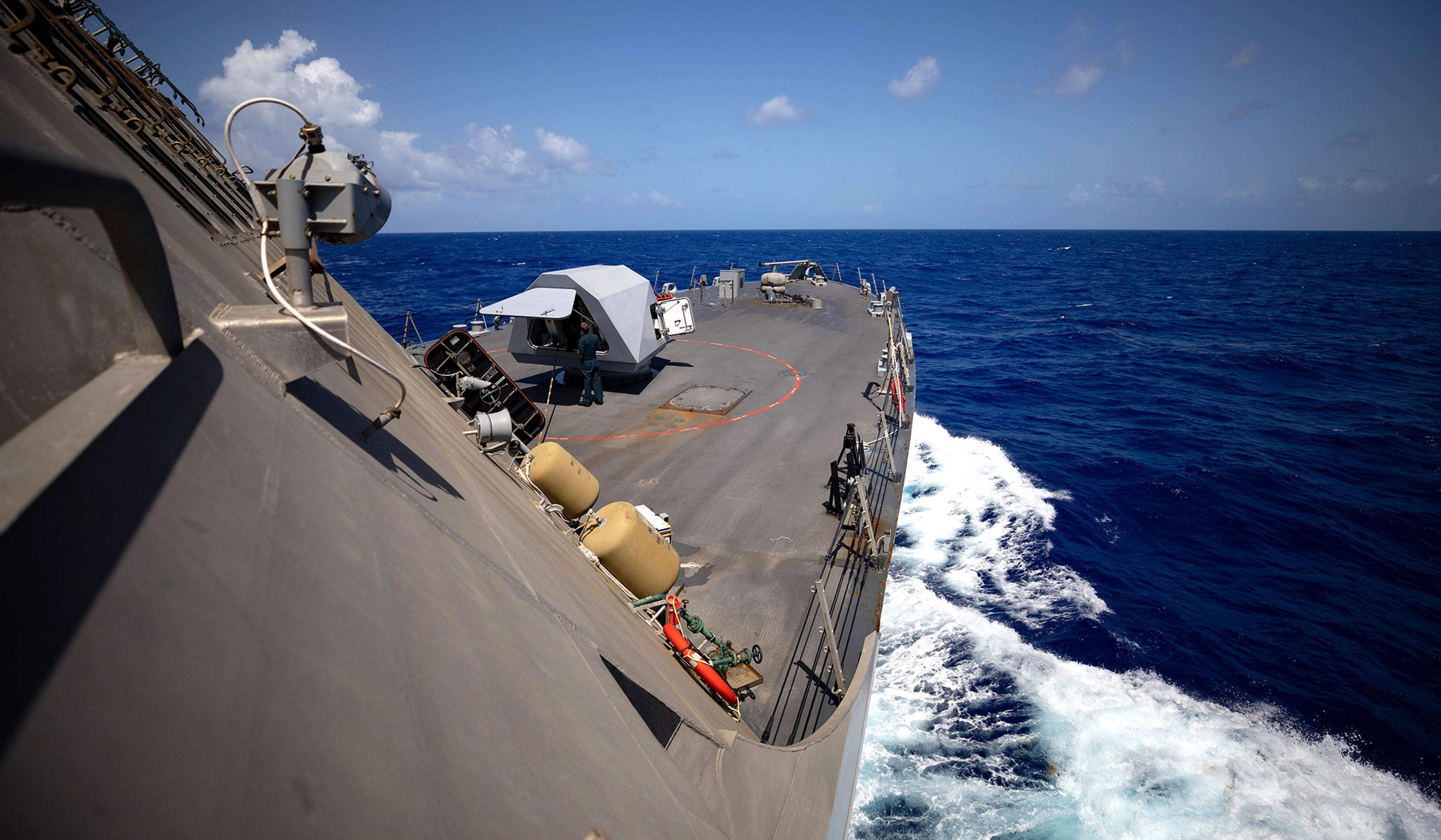
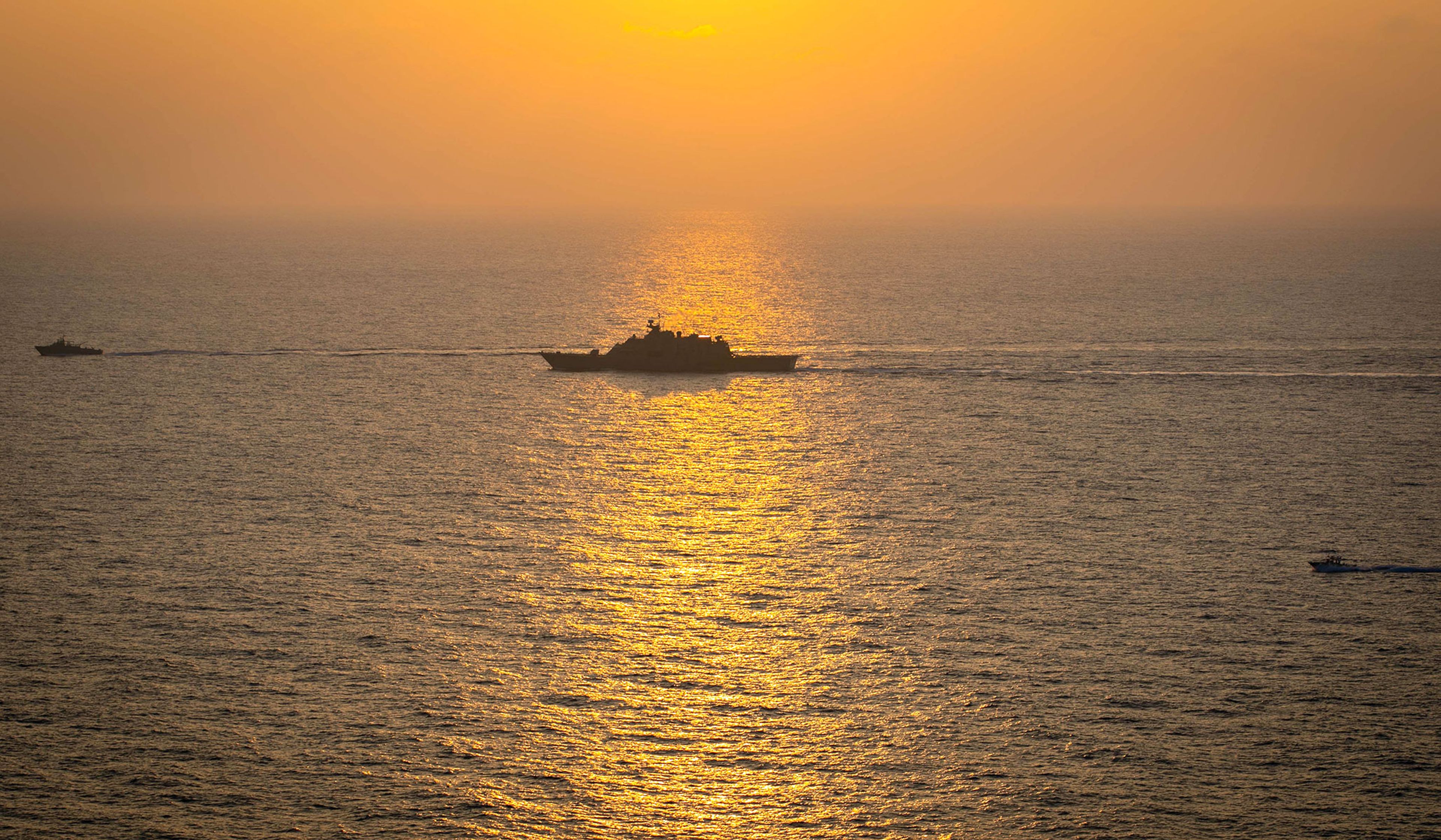
The Independence-variant littoral combat ships USS Montgomery (top) and USS Gabrielle Giffords operate in the South China Sea accompanied by an MH-60S Sea Hawk from Helicopter Sea Combat Squadron HSC-23 (the “Wildcards”), January 28, 2020.
Mass Communication Specialist Second Class Chris Roys/US Navy











Comments